





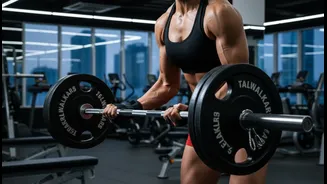


The Cardio Conundrum
Steady-state cardio, like jogging or cycling at a consistent pace, has long been the go-to for weight management and heart health. It's accessible and certainly beneficial for improving endurance. However, many women find themselves hitting a wall. The
body is incredibly efficient and adapts to repetitive exercise, meaning you have to spend more and more time to get the same results. This can lead to fitness plateaus, and the time commitment can be a significant barrier for those with busy schedules. Furthermore, prolonged cardio can sometimes lead to the loss of muscle mass, which is a crucial component of a healthy metabolism.
Building a Metabolic Engine
This is where weightlifting changes the game. Unlike cardio, which primarily burns calories during the activity, strength training builds lean muscle. This muscle is metabolically active tissue, meaning it burns calories even when you are at rest. The more muscle you have, the higher your resting metabolic rate (RMR), turning your body into a more efficient fat-burning machine throughout the day. Studies have shown that regular resistance training can increase your RMR, helping to fight the natural metabolic slowdown that can occur with age and making long-term weight management more sustainable. This “afterburn” effect, known as excess post-exercise oxygen consumption (EPOC), means your body continues to expend energy for hours after your workout is over as it repairs and builds muscle.
Beyond Aesthetics: Building a Stronger Future
The conversation around fitness for Indian women is shifting from simply being thin to being strong. This change is about more than appearance; it's about long-term health. Weight-bearing exercises are critical for building and maintaining bone density. This is especially important for women, who are more susceptible to osteoporosis later in life. Activities that put stress on bones trigger cells to form more bone, resulting in a stronger, more resilient skeletal system. A stronger body also means better stability, improved posture, and a lower risk of injury, whether you're carrying groceries or playing a sport.
The Confidence Carryover
Perhaps one of the most powerful, yet least discussed, benefits of weightlifting is its profound impact on mental health. The act of getting physically stronger has a direct carryover to mental and emotional resilience. For many women, the focus shifts from what their body looks like to what it can do. Hitting a new personal record or mastering a complex lift fosters a unique sense of accomplishment and self-confidence that extends far beyond the gym. Regular strength training has been shown to reduce symptoms of anxiety and depression by boosting mood-regulating brain chemicals like endorphins, serotonin, and dopamine. This focus on capability over calories is empowering a new generation of Indian women to feel more present and powerful in their own bodies.
Breaking Down Old Myths
One of the most persistent myths that has kept women away from the weights section is the fear of becoming “bulky.” However, due to women's hormonal profiles, particularly lower testosterone levels, it is biologically very difficult to build large, bulky muscles accidentally. Instead, strength training typically leads to a leaner, more toned physique. As this information becomes more widespread, more women are feeling empowered to pick up dumbbells and barbells. They are discovering that strength isn't a masculine trait; it's a human one. This shift represents not just a fitness trend, but a cultural one, where strength is synonymous with health, capability, and confidence.