






Beyond the Haze: Why Data Matters
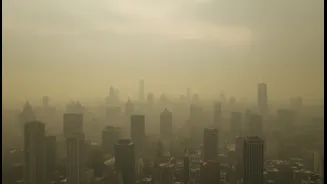
For years, air pollution has felt like an overwhelming and invisible enemy. We feel its effects, from respiratory issues to cancelled outdoor plans, but tackling it seems impossible. However, the first step to solving any problem is understanding it.
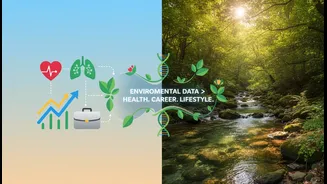
This is where data comes in. The Air Quality Index (AQI) is a simple tool designed to communicate how polluted the air currently is, or how polluted it is forecast to become. It breaks down complex measurements of pollutants like PM2.5 (tiny, harmful particles) into a single number and colour code, making it easy to grasp the immediate risk. Understanding your local AQI is not just an academic exercise; it’s a practical tool for daily life. It helps you decide if it’s safe for children to play outside, if you should wear a mask on your commute, or when the best time for a run might be.
Your Air Quality Toolkit
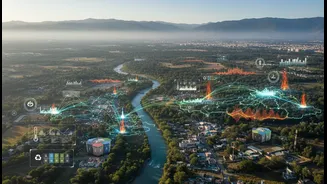
Accessing air quality data has never been easier. Several government and independent platforms provide real-time information. The government's SAFAR (System of Air Quality and Weather Forecasting and Research) and CPCB (Central Pollution Control Board) portals offer reliable data for numerous cities. Additionally, global platforms like IQAir and local initiatives provide accessible apps and websites that aggregate data from official monitors and sometimes even low-cost sensors deployed in communities. Some projects empower citizens directly; community-led initiatives in cities like Indore and across Maharashtra have trained volunteers and students to maintain and read local air sensors, filling crucial data gaps and building local awareness. By checking these resources daily, you can move from general anxiety about 'bad air' to making specific, informed decisions for your health and family.
From Data Points to Human Narratives
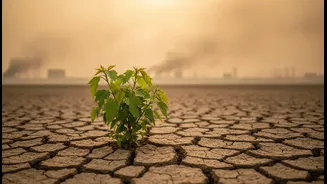
Data tells us the 'what', but stories tell us the 'why'. A chart showing high PM2.5 levels is informative, but a story about a child's struggle with asthma because of smog is what moves people to act. Climate storytelling is a powerful tool that transforms impersonal statistics into urgent, relatable human experiences. Across India, a growing movement of journalists, artists, and regular citizens are documenting the personal impacts of environmental degradation. These narratives are crucial. They cut through the noise, build empathy, and create a shared sense of purpose. Initiatives like the ClimateRISE Alliance aim to capture and share stories of how climate change, including air pollution, affects the lives of India's most marginalised communities, providing a platform to humanise the crisis.
Becoming a Climate Storyteller
You don't need to be a professional journalist to be a climate storyteller. Everyone has a story to tell. If you're a student, you can start by documenting the air quality around your school. Many programmes, like Project Healthy Air and GenCAN, are specifically designed to engage students, getting them hands-on with scientific tools and helping them develop action plans. You can start a social media account, a blog, or a photo series documenting what you see: the sources of pollution in your neighbourhood, the impact on daily life, and the solutions you witness. By sharing your lived experience—how pollution affects your family's health, your ability to play sports, or your community's well-being—you add a crucial voice to the conversation and help build pressure for change.
Building a Movement for Cleaner Air
Individual actions, when combined, create powerful community-level change. Using data to plan your day is the first step. Sharing that data and your story with your neighbours is the next. Community-led monitoring projects have shown that when citizens are armed with information, they can effectively advocate for local solutions. This could mean petitioning for dust control measures at a nearby construction site, advocating for better public transport, or demanding stricter enforcement of industrial emission standards. Youth-led innovations and start-ups are already creating market-based solutions, from turning crop residue into fuel to developing new monitoring technologies. By getting informed, telling your story, and engaging with your community, you become part of a nationwide movement working towards a future where every Indian can breathe clean air.