







Understanding the Alerts
The India Meteorological Department (IMD) uses a colour-coded system to warn citizens about weather intensity. An 'Orange Alert' signifies a warning to “Be Prepared.” It indicates a forecast of intense spells of rain that can disrupt daily life, including
transport and power supply, and increase the risk of floods. For parts of Arunachal Pradesh, the warning has been escalated to a 'Red Alert', indicating a need for immediate action to prevent loss of life and property due to extremely heavy rainfall, forecasted to exceed 200 mm in 24 hours. These alerts are critical for residents in vulnerable areas, as they signal a high probability of dangerous weather events like flash floods and landslides.
Which Areas Are Most at Risk?
The primary focus of the current alerts is on Assam and Arunachal Pradesh. In Assam, the first wave of floods has already affected over 22,000 people across six districts: Dhemaji, Lakhimpur, Nalbari, Dibrugarh, Chirang, and Kokrajhar. Dhemaji is the worst-hit district. The situation is compounded by heavy rainfall in the upper catchment areas of Arunachal Pradesh, which feeds the major rivers flowing into Assam. In Arunachal Pradesh, a massive landslide has blocked the Siji river in the Lower Siang district, creating an artificial dam that threatens to cause a devastating flash flood downstream if it bursts. This poses a direct threat to towns like Likabali and areas in Assam's Dhemaji district where the river, known there as the Gai, flows.
The Dual Threat: Floods and Landslides
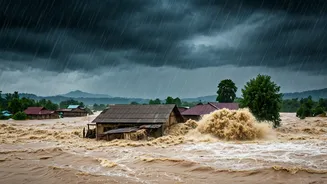
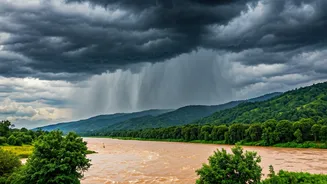
The geography of the Northeast makes it susceptible to a dual threat. Continuous heavy rainfall saturates the soil in the hilly terrains of Arunachal Pradesh and Meghalaya, leading to landslides. Incessant rain has already triggered multiple landslides in Arunachal Pradesh, claiming three lives and cutting off key highways in at least ten districts. This debris, along with the sheer volume of water, then flows down into the vast, low-lying river plains of Assam. Major rivers like the Brahmaputra and its tributaries, including the Disang and Dikhou, are swelling. The Disang River is already flowing above the danger level in Sivasagar district, inundating nearly 1,700 hectares of cropland and affecting thousands of people and livestock.
Official Response and Advisories
State governments have activated their disaster management agencies. In Assam, Chief Minister Himanta Biswa Sarma has stated the government is closely monitoring the situation, especially in Dhemaji, and has deployed a comprehensive administrative response. Teams from the National Disaster Response Force (NDRF) and State Disaster Response Force (SDRF) have been put on alert. In Arunachal Pradesh, authorities in Lower Siang have issued an urgent advisory directing residents along the banks of the Siji river to evacuate to safer locations. The public has been strongly advised to avoid venturing near riverbanks, refrain from unnecessary travel, and stay updated through official channels.
How to Stay Safe
For residents in or near the affected areas, preparedness is key. First, monitor official updates from the IMD and your local District Disaster Management Authority (DDMA). Avoid areas prone to waterlogging and stay away from vulnerable structures. If you are in a landslide-prone or flood-prone area, be ready to evacuate at short notice. Prepare an emergency kit with essentials like drinking water, non-perishable food, a first-aid kit, torches, and important documents sealed in a waterproof bag. Do not attempt to cross swelling rivers or streams, either on foot or in a vehicle. Report any signs of danger, such as a sudden rise in water level or cracking sounds from hillsides, to the authorities immediately.