




It All Starts With the Dough
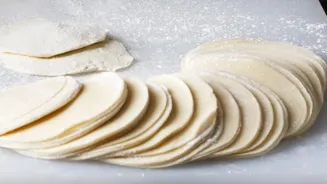
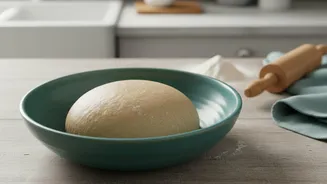
The secret to a soft roti begins long before it hits the pan. The dough is your foundation. For truly soft rotis, the dough must be soft, pliable, and well-hydrated. Many people make the mistake of creating a dough that is too stiff. A firm dough doesn't
have enough moisture to create the steam needed for a good puff, leading to a denser, harder result. When kneading, use lukewarm water, as it helps the gluten in the flour relax and makes the dough more elastic. Add water gradually until the dough is soft and slightly sticky to the touch—think the texture of a soft earlobe. Adding a teaspoon of oil or ghee during kneading can also help lock in moisture and produce a more tender crumb.
The Importance of a Good Knead and Rest
Kneading is not just about mixing ingredients; it's about developing the gluten network that gives the roti its structure and elasticity. A thorough knead of about 8-10 minutes transforms the dough from a shaggy mess into a smooth, elastic ball. This process is crucial for trapping steam during cooking. Once kneaded, one of the most vital yet often skipped steps is resting the dough. Let it rest, covered with a damp cloth, for at least 20-30 minutes. This period allows the gluten to relax, making the dough much easier to roll without it springing back. It also ensures the water is fully absorbed by the flour, resulting in a more uniform texture and a softer final product.
Mastering the Tawa and the Cook Time
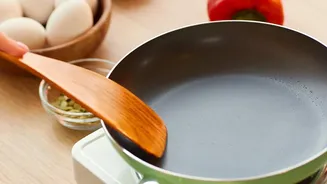
Here we address the headline directly. A roti becomes firm on the pan because of one primary reason: moisture loss. Cooking a roti for too long at the wrong temperature is the fastest way to dehydrate it. The key is high heat and a quick cook. Your tawa, or pan, must be properly preheated over medium-high heat. A good test is to sprinkle a few drops of water; if they sizzle and evaporate immediately, it's ready. If the tawa is too cool, the roti will sit there, slowly drying out instead of puffing up. The entire cooking process for one roti should be very quick. The goal is to cook it just enough to form light brown spots and puff up majestically.
The Roti's Dance on the Pan
Think of it as a three-step dance. First, place the rolled roti on the hot tawa and cook for about 15-20 seconds until you see small bubbles form. Flip it over. Let the second side cook for a little longer, about 30 seconds, until you see light brown spots. Now for the final, magical step. Flip it again and, using a clean cloth or a spatula, gently press down on the edges. This encourages the trapped steam inside to expand, causing the roti to puff up like a balloon. Alternatively, you can use tongs to hold the roti directly over a gas flame for a few seconds until it inflates. Overcooking on any of these steps will lead to a stiff, crispy result.
Post-Cooking Care for Lasting Softness
The job isn't quite done when the roti leaves the flame. To keep them soft for hours, what you do next matters. As soon as a roti is cooked, you can brush it with a little ghee or butter. This not only adds flavour but also helps to seal in the moisture. Don't stack hot rotis directly on a flat plate, as the trapped steam will make the bottom ones soggy. Instead, place them in a casserole dish lined with a cotton cloth or a purpose-built roti box. The cloth absorbs excess steam while keeping the rotis warm and soft. If left uncovered, they will quickly lose moisture to the air and turn hard.