
What is Organic Palm Jaggery?
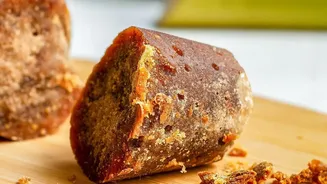
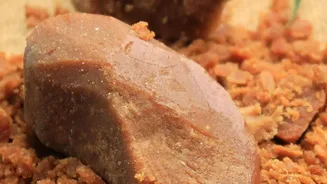
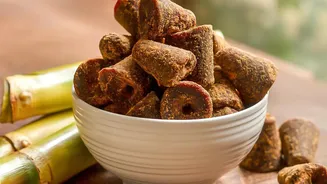
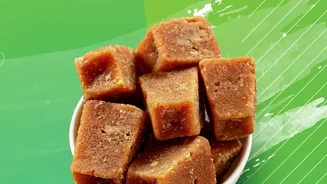
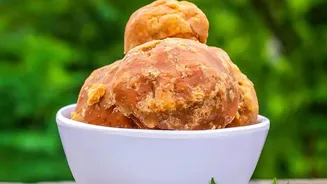
Organic palm jaggery, known as 'Karupatti' in parts of India, is an unrefined natural sweetener made from the sap of palm trees like the palmyra, date, or coconut palm. The process is traditional and minimal: sap is collected, boiled in large vats to
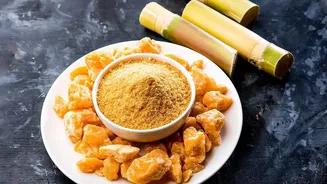
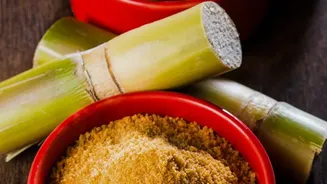
evaporate the water, and then cooled to solidify into blocks or sold as a powder. Unlike white sugar, which is heavily processed with chemicals to achieve its pure white crystals, organic palm jaggery undergoes no chemical treatment. This means it retains not only its natural dark brown colour but also many of the nutrients from the palm sap.
A Nutritional Step Up from Sugar
White sugar is often called 'empty calories' because it offers sweetness but zero nutritional value. Palm jaggery, on the other hand, retains minerals like iron, potassium, and magnesium because it is unrefined. It's particularly noted for being a good source of iron. Another significant advantage is its lower glycemic index (GI). Palm jaggery has a GI of around 35-41, whereas white sugar's GI is much higher at about 65. This means palm jaggery releases sugar into the bloodstream more slowly, avoiding the sharp spikes and crashes associated with refined sugar. While it contains a similar number of calories to sugar, its nutrient profile and lower GI make it a healthier choice in moderation.
How to Substitute Jaggery in Baking
Swapping jaggery for sugar isn't always a simple 1:1 exchange, but a few rules make it easy. Jaggery is a natural humectant, meaning it holds more moisture than white sugar. This will make your bakes denser and moister—a wonderful quality for banana bread, brownies, and muffins. To start, you can generally use a 1:1 ratio when substituting by volume or weight, but be prepared to make small adjustments. If your batter seems too wet, try reducing other liquids in the recipe (like milk or water) by a tablespoon or two. Because it has a solid or granular form, it is best to melt block jaggery into a syrup or use powdered jaggery for easier mixing.
Embracing a New Flavour and Texture
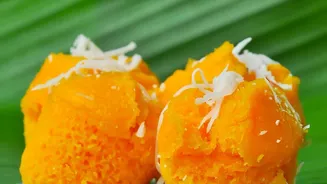
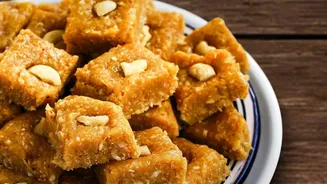
One of the best parts of baking with palm jaggery is the flavour. It has a rich, complex taste with notes of caramel, toffee, and even a hint of smokiness that white sugar lacks. This deep flavour profile pairs beautifully with ingredients like chocolate, coffee, spices like cinnamon and cardamom, and whole wheat flour. The result is a dessert with more character. Expect the final product to have a darker, more golden-brown colour. This swap works best in recipes where a moist, slightly dense texture is desirable. Think tea cakes, fruit crumbles, and traditional Indian sweets like payasam or halwa. It may not be suitable for light, airy creations like meringues that rely on the crystalline structure of white sugar.
Choosing and Storing Palm Jaggery
When shopping, look for jaggery that is certified organic to ensure it was made without chemical additives or pesticides. Good quality palm jaggery should have a dark, uniform colour and a firm texture. It can be found in block, semi-solid, or powdered form. For ease of use in baking, the powdered version is often the most convenient. Store your palm jaggery in an airtight container in a cool, dry place to protect it from moisture and to preserve its flavour. It can last for several months when stored correctly.