

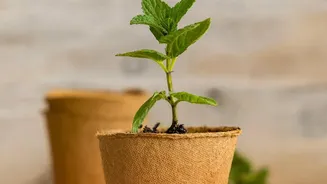

Your Windowsill Garden Setup
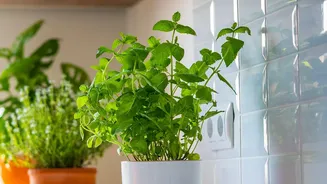
Starting your indoor herb garden is simpler than you might think. The three key ingredients are sunlight, the right container, and the proper soil. Most herbs, including tulsi, mint, and coriander, need at least four to six hours of sunlight daily. A
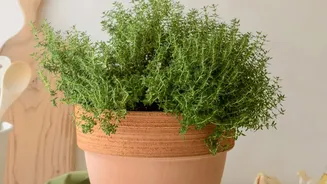
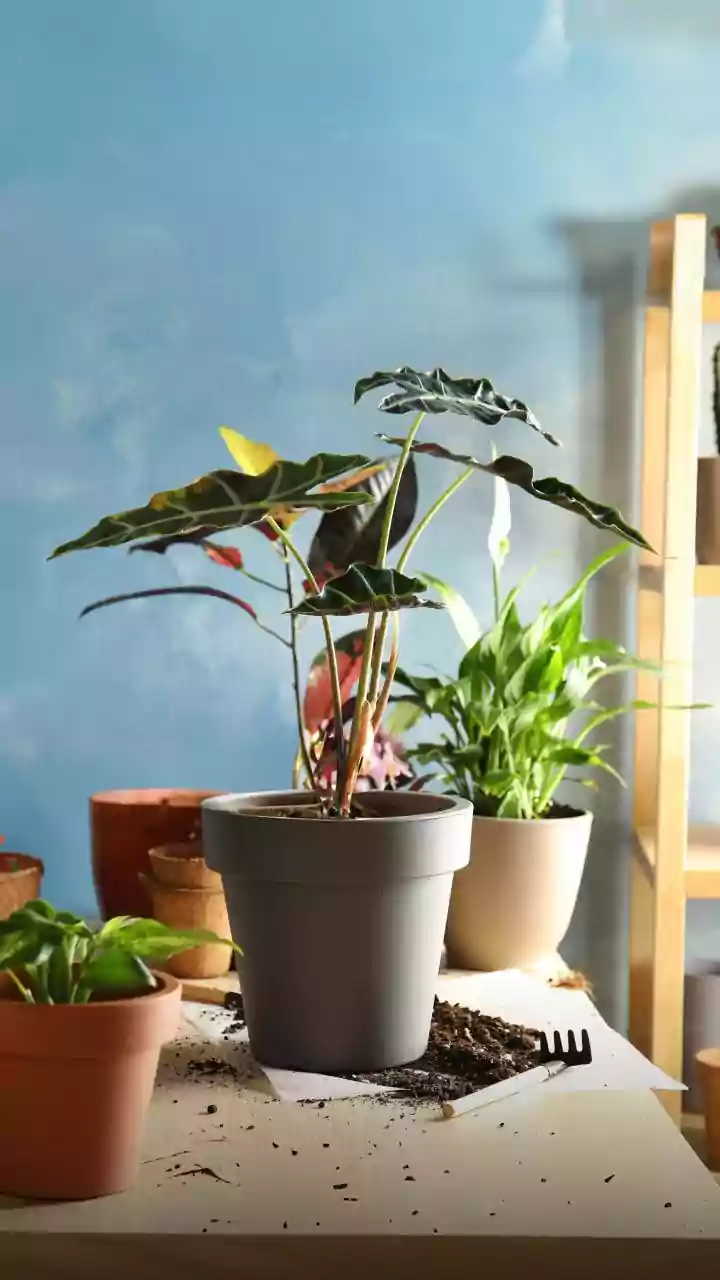
south or west-facing windowsill is ideal. For containers, choose pots that are at least 6-8 inches deep with drainage holes at the bottom to prevent water from logging, which can cause root rot. Terracotta and plastic pots both work well. When it comes to soil, avoid using heavy garden soil, which compacts easily in pots. Instead, opt for a light, fluffy, and well-draining potting mix. These mixes, often containing peat moss or coconut coir and perlite, provide the perfect environment for healthy root growth.
Growing Tulsi (Holy Basil)
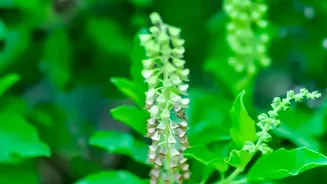
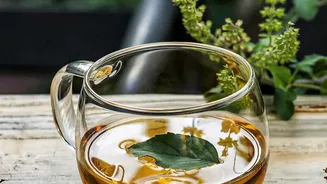
Tulsi is a revered plant in Indian households and surprisingly easy to care for indoors, provided its needs are met. It thrives in sunlight, so your sunniest window is the best spot. Water your tulsi plant when the top inch of the soil feels dry to the touch, but be careful not to overwater, as its roots are prone to rot. During winter, when growth naturally slows, you should reduce watering frequency. To encourage a bushier plant with plenty of leaves, regularly pinch off the tips and any flower spikes as they appear. This prevents the plant from putting its energy into making seeds and instead promotes lush foliage, ensuring you have fresh leaves for teas and religious offerings throughout the season.
Planting Pudina (Mint)
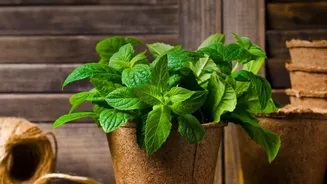
Mint, or pudina, is one of the most rewarding herbs for beginners because it grows so vigorously. In fact, its tendency to spread makes it a perfect candidate for container gardening, where its roots are happily contained. Mint enjoys bright light but is more tolerant of partial shade than many other herbs. It prefers consistently moist soil, so water it regularly, but ensure the pot has good drainage. You can start a mint plant from a cutting from a friend or even a bunch bought at the market. Simply place a healthy stem in a glass of water, and roots will appear in about a week. Once rooted, plant it in your pot. Regular harvesting will encourage the plant to become fuller and bushier, giving you an endless supply for chutneys, raitas, and refreshing drinks.
Cultivating Dhania (Coriander)
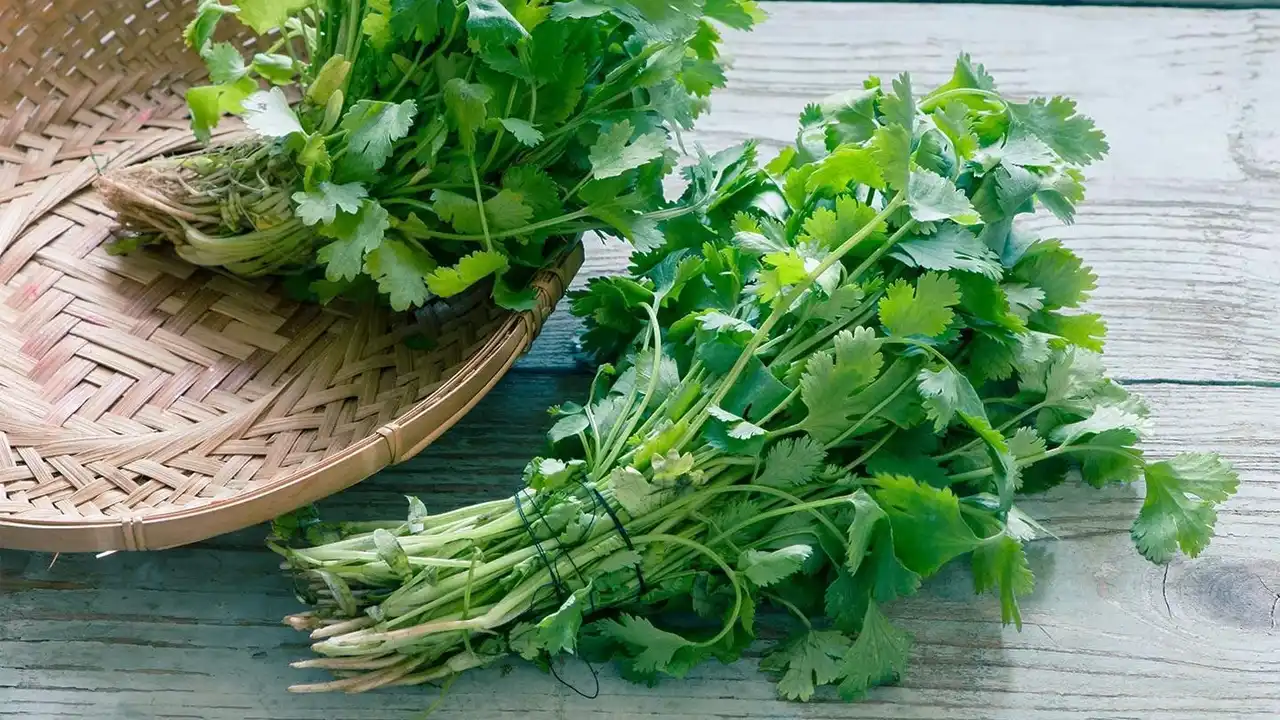
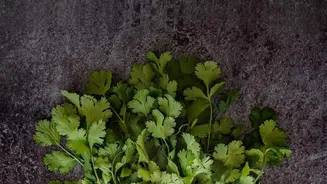
Fresh coriander, or dhania, is a staple garnish in Indian cuisine, but it can be tricky to grow a continuous supply. The key is to sow seeds every few weeks. Coriander dislikes having its roots disturbed, so it's best to sow seeds directly into the pot where they will grow. Before sowing, you can gently crush the seeds to help speed up germination. Plant the seeds about a centimetre deep in your potting mix and keep the soil consistently moist. Coriander is a 'shoulder season' crop, meaning it dislikes extreme heat. An indoor windowsill provides a more controlled environment, protecting it from temperature swings. Harvest the outer leaves as needed, which allows the inner leaves to continue growing, extending your harvest period.
Care and Harvesting for a Winter Bounty
Once your windowsill garden is established, a little routine care will keep it thriving. Check the soil moisture every couple of days by poking a finger into the top inch; if it's dry, it's time to water. Because they are in pots, your herbs will eventually use up the nutrients in the soil. Feed them with a diluted organic liquid fertilizer every three to four weeks during the growing season, but reduce feeding in deep winter when growth slows. The best part of having a herb garden is the harvest. Regular snipping of leaves not only provides you with fresh flavours but also encourages the plants to grow bushier and more productive. Always harvest from the top and outside of the plant to stimulate new growth from the center.