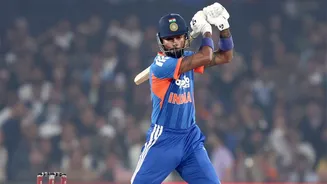

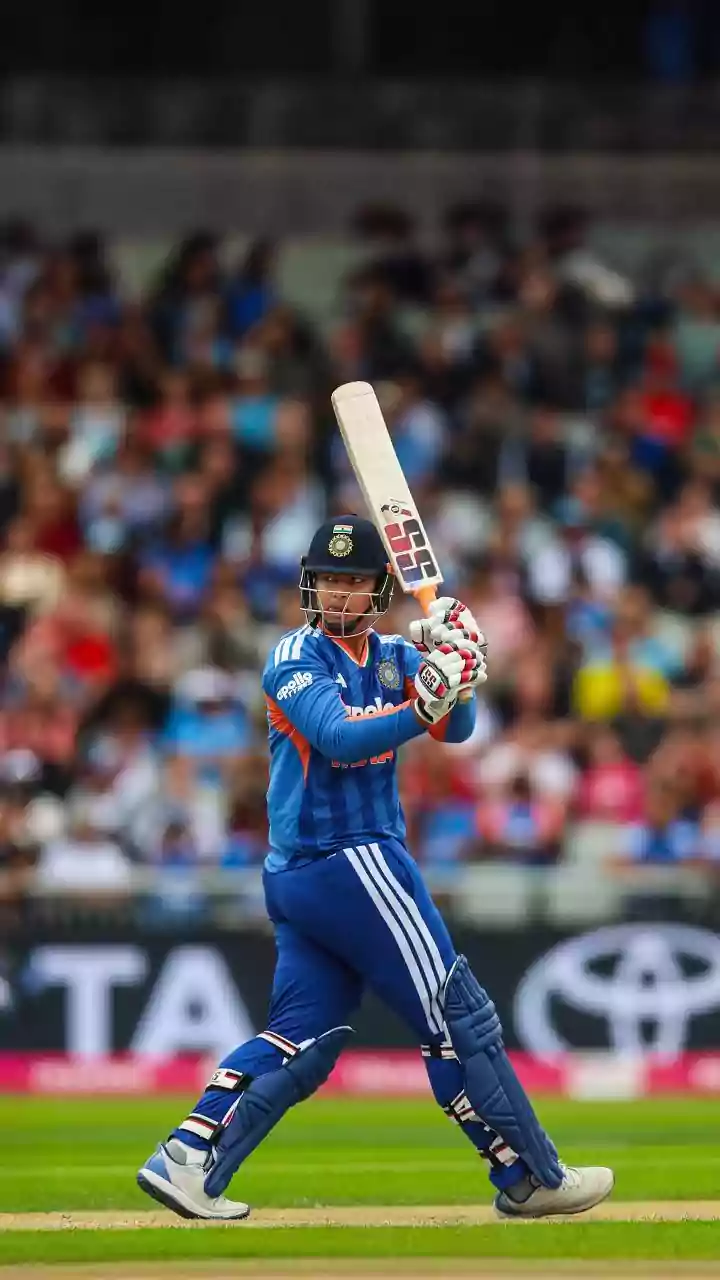


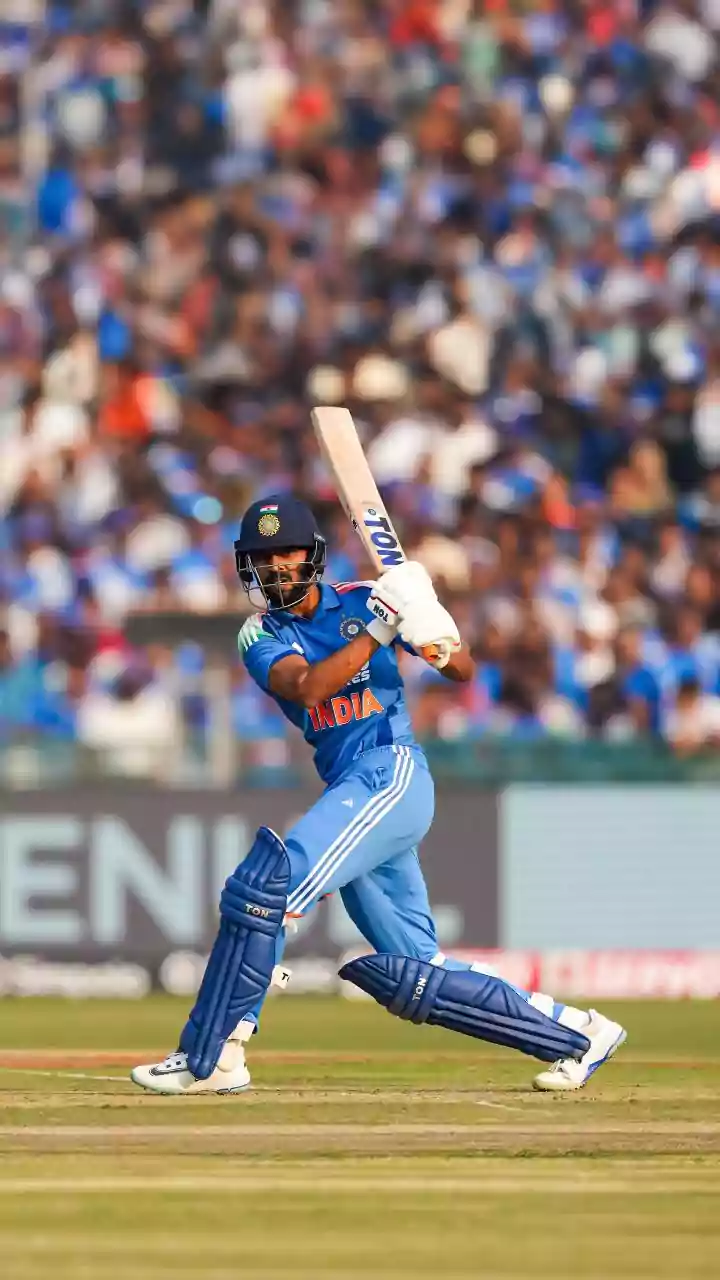

The Shock Announcement Down Under
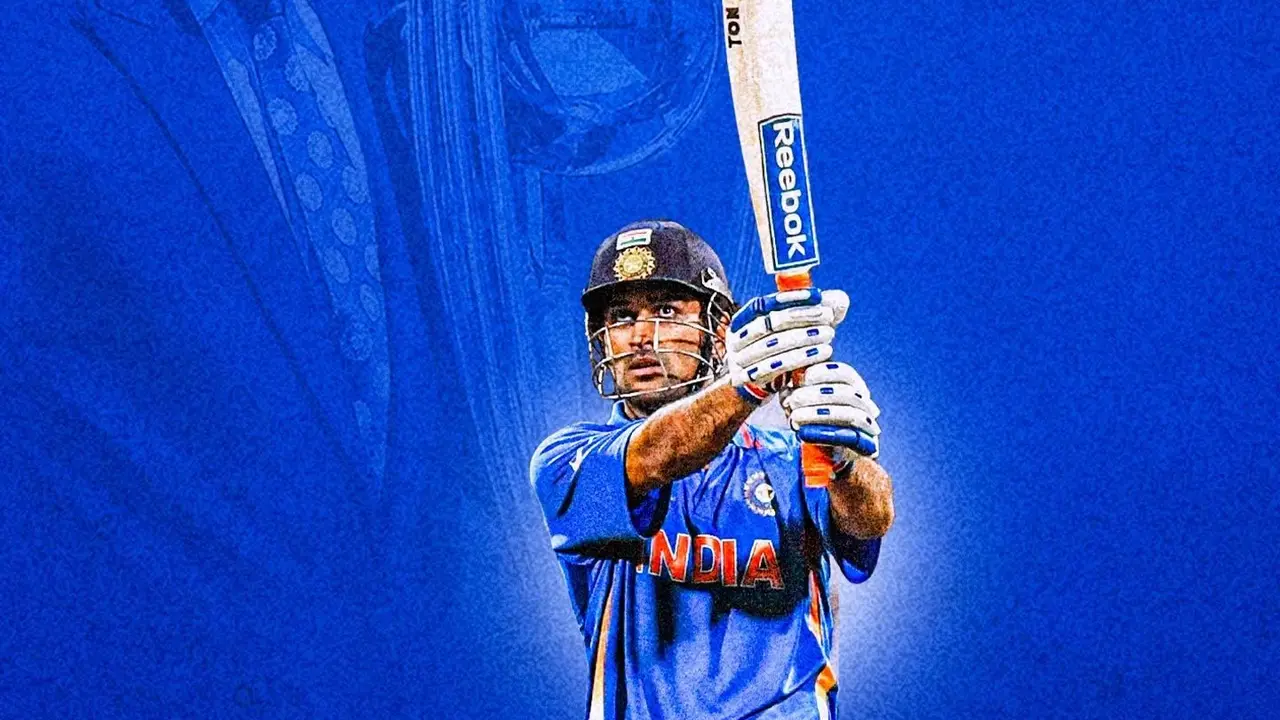
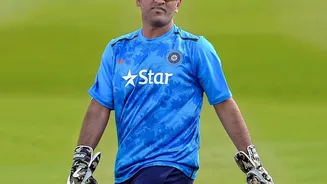
The Indian team had just saved the Boxing Day Test against Australia, securing a draw. Captain MS Dhoni attended the post-match press conference, gave his analysis, and left without a hint of what was to come. Minutes later, a BCCI statement sent shockwaves
through the cricket world: Dhoni was retiring from the longest format, effective immediately. Then-team director Ravi Shastri recalled that Dhoni casually informed him he wanted to address the team, where he dropped the bombshell. Teammates, who thought he was going to discuss the drawn match, were left in a state of complete shock. The abruptness was classic Dhoni—unpredictable and on his own terms.
The Unbearable Strain of Three Formats
The official reason cited by the BCCI was the immense “strain of playing all formats of cricket.” This was no exaggeration. For years, Dhoni had been the captain and wicketkeeper for India across Tests, ODIs, and T20s, on top of his punishing IPL schedule. The physical toll, especially on a wicketkeeper's body, was immense. Shastri later confirmed that Dhoni knew how much his body could take and made the call when it told him 'enough'. The move was also strategic; by stepping away from the gruelling five-day format, he aimed to prolong his white-ball career, which he successfully did for another five years.
A Captain’s Overseas Record
While Dhoni led India to the pinnacle of Test cricket, becoming the No. 1 ranked team in 2009, his captaincy record overseas had come under increasing scrutiny. By the end of 2014, India had suffered a string of away series losses, including whitewashes in England and Australia in 2011-12, followed by defeats in South Africa and New Zealand. The draw in Melbourne meant India had conceded the Border-Gavaskar trophy, marking another overseas series loss under his leadership. Though he was India's most successful Test captain by number of wins (27), the pressure from the poor away record was a significant factor in the narrative surrounding his captaincy at the time.
Paving the Way for a New Era
Dhoni's decision was not just about ending his own chapter; it was about starting a new one for Indian cricket. Virat Kohli had already been identified as the heir apparent. He had captained the side in the first Test of that same Australian tour when Dhoni was out with a thumb injury. According to Ravi Shastri, Dhoni knew exactly who the next leader was and was simply waiting for the right moment. By retiring mid-series, he gave Kohli the immediate opportunity to take full command in the final Test in Sydney. Shastri praised the decision as “brave and selfless,” noting that Dhoni, who was just 10 matches shy of 100 Tests, chose the team's future over a personal milestone.
A Personal Choice for Family
Years after his retirement, Dhoni himself offered a more personal reason for hanging up his whites. In a 2024 interview, he revealed that the relentless schedule of playing all formats left him with very little time for his family. He explained that after getting married and with his parents ageing, he realised the need to be home more often. The brief breaks between series were often consumed by travel and commercial commitments, leaving almost no personal time. The decision to quit Tests in 2014 was a conscious choice to recalibrate his life and dedicate more time to his wife, daughter, and parents.