







Understanding the Orionids
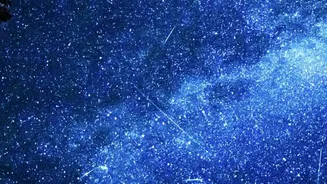
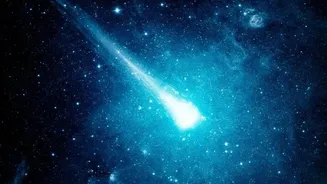
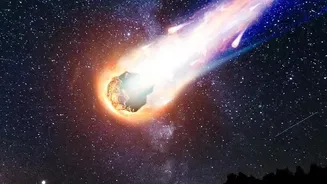
The Orionid meteor shower is an annual celestial event, considered one of the most beautiful of the year. It occurs when our planet passes through the debris stream of Comet 1P/Halley, more famously known as Halley's Comet. These tiny particles, often
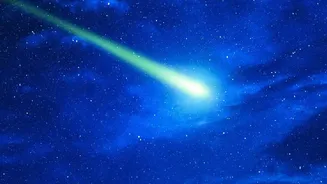
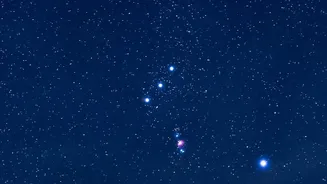
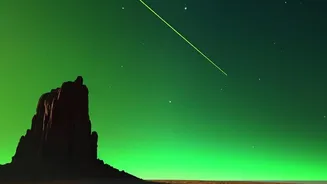
no bigger than a grain of sand, burn up upon entering Earth's atmosphere at incredible speeds—about 66 kilometres per second—creating the bright streaks we call meteors or 'shooting stars'. The shower gets its name from the constellation Orion, as the meteors appear to radiate from a point near the hunter's club. However, you don't need to look directly at Orion; the meteors can appear anywhere in the sky.
When and Where to Look in 2026
The 2026 Orionid meteor shower will be active from early October to early November. The peak, when the most meteors are visible, is expected in the pre-dawn hours of October 21-22. Under ideal dark-sky conditions, you might see 15 to 25 meteors per hour. In 2026, the peak nights are affected by a bright waxing gibbous moon, which will be about 80% illuminated. Fortunately, the moon sets around 3 a.m. local time, opening up a window of dark skies until dawn. The best viewing time will be after moonset. Find a spot with a wide, open view of the sky, lie back, and look up.
The Naked-Eye Advantage
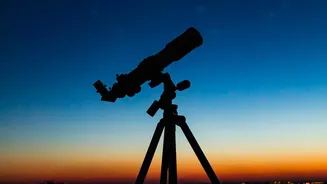
Contrary to what many beginners believe, telescopes and binoculars are not helpful for watching meteor showers. These instruments have a very narrow field of view, meaning you would be staring at a tiny patch of sky, waiting for a meteor to pass through it by sheer luck. Meteor showers are a wide-sky event. Your naked eyes are the best tools for the job because they offer the widest possible panorama, allowing you to take in the entire celestial canvas. This ensures you won't miss the long, spectacular streaks that can flash across different parts of the sky.
Your Urban Skywatching Game Plan
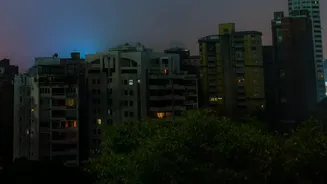
The biggest obstacle for a city-based skywatcher is light pollution. The glow from streetlights, buildings, and cars can wash out all but the brightest meteors. However, you can significantly improve your chances. First, find the darkest spot available to you. This could be a large park, a sports field, or even a rooftop with walls that block direct streetlight glare. Use online light pollution maps to identify areas with even slightly darker skies. Second, give your eyes time to adapt. It takes about 20-30 minutes for your pupils to fully dilate and become sensitive to faint light. During this time, avoid looking at your phone or any other bright screens. A red-filtered flashlight can help you navigate without ruining your night vision.
Simple Hacks to Beat the Glow
Even in a chosen spot, ambient light can be a problem. Position yourself so that a building, a line of trees, or a wall blocks the most direct sources of light. If you're observing from a balcony or backyard, turn off all your own outdoor lights. Encourage your neighbours to do the same if possible, explaining that shielded, warm-hued lights aimed downward reduce skyglow. Comfort is key, as you'll be looking up for a while. A reclining lawn chair or a blanket will save you from neck strain. Finally, be patient. Meteor watching involves periods of waiting, but the reward of seeing a piece of an ancient comet blaze across the urban sky is well worth it.