





The Anatomy of Root Rot
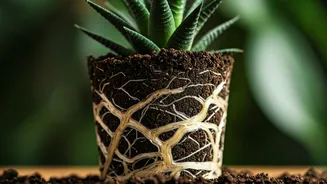
Root rot is a disease that attacks the roots of plants sitting in overly moist soil. Succulents, which evolved in arid environments, store water in their leaves and stems, meaning their roots are not adapted to constant moisture. [3, 9, 12] When soil stays
soggy, it cuts off oxygen supply to the roots, causing them to suffocate and die. [4, 9] This decaying, mushy environment is a perfect breeding ground for fungi, which accelerate the rot and can quickly kill the entire plant. [3, 18] Signs of root rot include yellowing, translucent, or mushy leaves that fall off easily, and in advanced cases, a foul smell from the soil. [4, 7, 8]
The Problem with a Blanket Rule
The advice to stop watering for an entire month, like June, is a well-intentioned oversimplification. Succulent watering needs are not based on the calendar alone but on a combination of factors: the plant species, its growth cycle, the pot size, soil type, and your local climate. [5] For plant lovers in India, June marks the transition into the monsoon season in many regions, bringing high humidity. This humidity drastically reduces the rate at which soil dries, meaning plants need water far less frequently. [6, 14] However, a complete halt might harm succulents that are in their active growing season.
Dormancy: The Real Secret to Watering
The key to proper watering is understanding dormancy—your succulent's natural rest period. [22, 32] Succulents are broadly divided into two categories: summer-dormant and winter-dormant. During dormancy, a plant's growth slows or stops, so it uses very little water. [19, 32] Watering a dormant succulent as if it were actively growing is a fast track to root rot. Most succulents grow opportunistically during temperate conditions in spring and autumn, and slow down during the extremes of heat and cold. [2, 22] Indoor succulents kept in stable conditions may not even enter a true dormancy at all. [16, 32]
Know Your Grower: Summer vs. Winter Dormant
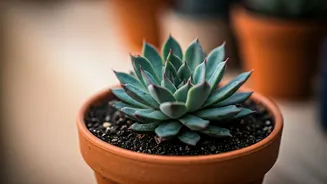
Knowing which category your succulent falls into is crucial. Winter-dormant (or summer-growing) varieties are most active during the warmer months. These include popular genera like Echeveria, Sedum (cold-hardy types), and Sempervivum. [2, 19] Conversely, summer-dormant (or winter-growing) plants rest during the summer heat and grow more in the cooler months. This group includes Aeonium, Haworthia, Aloe, Crassula, and Sansevieria. [2, 13] For these summer-dormant types, it's vital to reduce watering significantly during hot months like May and June. They are not actively growing and cannot use the excess water. [22]
So, What's the Rule for June?
Instead of a complete watering ban, adopt a “when in doubt, don’t” policy. For India, June is a tricky month. It’s hot, but it also marks the beginning of the monsoon's high humidity. For summer-dormant plants like Aeoniums and many Haworthias, you should barely water them at all. For winter-dormant plants like Echeverias, which are supposed to be in their growing season, the high humidity means you should still water much less frequently than you did in the dry heat of April and May. [6, 14] Many succulents in humid coastal cities may need no supplemental watering for the entire monsoon period. [14]
The Right Way to Water
When you do water, use the “soak and dry” method. [6, 24] Drench the soil completely until water runs out of the drainage hole. This encourages deep, strong root growth. Then, do not water again until the soil is completely dry. [5, 25] You can test this by sticking a wooden skewer or your finger deep into the pot. If it comes out with any moisture, wait. [14] This method mimics the infrequent but heavy rains of their native desert habitats. [5] Always water the soil, not the leaves, and empty any excess water from the saucer. [6]