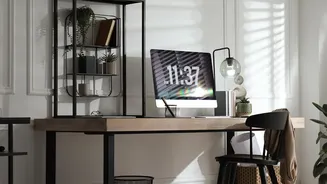








When your home is your office, the lines between work and life blur, leading to an 'always on' culture that fuels exhaustion. The key to reclaiming your time and energy is not just logging off, but creating a strict evening 'off-button'.
The Psychology of the Blurred Boundary
The feeling of
being perpetually on call is a hallmark of modern remote work. Without the physical separation of an office, our brains struggle to psychologically detach from professional duties. This can lead to a cycle of chronic stress, anxiety, and burnout, where you feel you aren't doing enough at work or at home. Studies show that remote workers often log more hours, and this constant connectivity is a primary contributor to poor mental health. The absence of a commute or the visual cue of colleagues leaving removes the natural signals that the workday is over, making it harder to mentally clock out. Creating a deliberate 'off-button' is about giving your brain the clear, unambiguous signal it needs to transition from a productive state to a restorative one.
Create a 'Digital Sunset' Ritual
Your most powerful off-button is digital. At a set time each day, begin a shutdown ritual. This isn't just closing your laptop; it's a series of actions that signals finality. Start by reviewing your day and creating a specific to-do list for tomorrow. This act of 'brain dumping' prevents unfinished tasks from circling in your mind overnight. Then, close all work-related tabs, applications, and log out of communication platforms like Slack and email on all your devices, especially your phone. Turning off work-related notifications after hours is crucial. Consider saying a phrase out loud like, 'Work is done for the day'. It might feel silly, but this verbal cue reinforces the boundary for your brain.
The 'Third Space' Transition
The time that was once your commute can be repurposed into a powerful transitional activity. This concept, often called creating a 'third space', involves a buffer activity between your work life and your home life. This doesn't have to be long or complicated. It could be a 15-minute walk around the block, a short yoga session, or listening to a specific playlist or podcast that has nothing to do with work. The goal is to physically and mentally distance yourself from your workspace. Other simple rituals can include changing out of your 'work clothes', tidying your desk and putting your laptop away, or taking a shower. This deliberate act of shifting gears helps your nervous system move from a state of high alert to one of rest and recovery.
Reclaim Your Evening Hours
Once you've pressed the 'off-button', it's vital to fill your evening with activities that are genuinely restorative. If you don't have a plan for your personal time, the temptation to drift back to work can be strong. Focus on low-stimulation, screen-free activities, especially in the hour or two before bed. This could involve preparing a proper meal away from your desk, reading a physical book, spending quality time with family, or engaging in a hobby. The key is to be intentional. Instead of defaulting to scrolling on your phone, which can keep your brain in a state of high alert, choose activities that promote relaxation and help you fully disconnect from the pressures of the day.
Communicate Your Boundaries Clearly
Setting boundaries is not just a personal practice; it requires clear communication with your team. Add your working hours to your email signature and calendar so colleagues are aware of your availability. Use communication tools to set an 'away' status when you log off. It's important to lead by example. If you consistently answer emails late at night, you contribute to an 'always-on' culture that can create unhealthy team dynamics. Be firm but polite about your availability. You can communicate that you will address their query first thing in the morning. This not only protects your own time but also encourages a healthier work environment for everyone.