



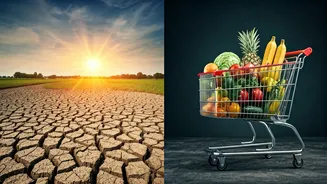



A Monsoon of Extremes
The 2026 southwest monsoon has been a story of stark contrasts. After a delayed start, its progress has been sluggish and erratic. By late June, overall rainfall for the month was tracking to be one of the driest in over a century, with a national deficit
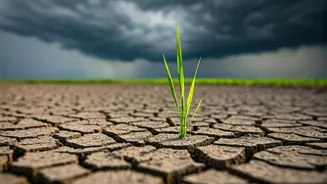
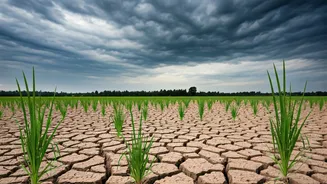
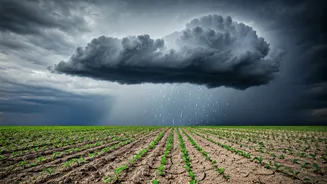
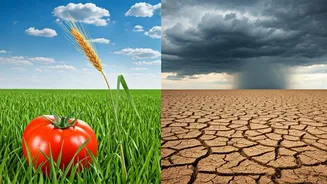
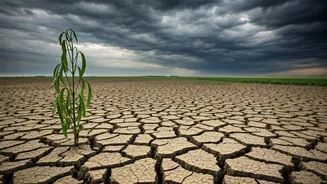
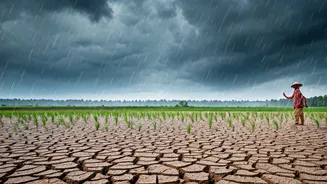
of 42 percent. However, this single number hides the real problem: severe regional imbalances. While some areas have experienced intense downpours, leading to waterlogging, many crucial agricultural belts have remained parched. Large parts of central, northern, and western India have seen significantly below-normal rainfall. Meteorologists have pointed to developing El Niño conditions as a potential factor weakening the monsoon's performance. This pattern of too much or too little rain, with long dry spells in between, creates a nightmare scenario for farmers who depend on a predictable start to the season.
Crisis in the Fields
The direct consequence of this unpredictable weather is a crisis in crop sowing. As of late June, the total area sown for summer kharif crops was down by nearly 23% compared to the same period last year. The delay and deficit in rainfall have forced farmers to postpone planting, risking lower yields and financial losses. The impact is being felt across a wide range of essential crops. Paddy (rice) acreage is down by over 25%, while the area for pulses has shrunk by over 30%. The most dramatic drop has been in oilseeds, where sowing has plunged by more than 53%, largely driven by a massive reduction in soybean planting. Cotton sowing has also fallen by nearly 35%. For farmers in rain-fed regions, which constitute a significant part of India's agricultural land, the choice is between waiting for dependable rains or switching to less profitable, hardier crops.
The Ripple Effect on Prices
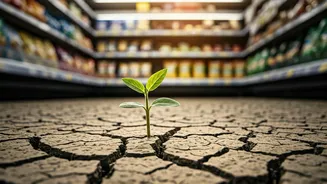
The troubles in the field are now spilling into wholesale markets and, ultimately, onto your kitchen table. Reduced sowing directly signals tighter future supplies, and this expectation is already pushing up prices. Food inflation, which accounts for nearly half of the consumer price index, is on the rise. After a period of relative calm, the Consumer Food Price Index (CFPI) rose to 4.78% in May. While this official data precedes the full impact of the sowing deficit, anecdotal and market reports from June already show a sharp increase in the prices of key vegetables like tomatoes and onions. The combination of heatwaves earlier in the year damaging some crops and now the weak monsoon disrupting the next planting cycle creates a perfect storm for food price volatility.
How Families Are Feeling the Pinch
For millions of households, this agricultural distress translates into a tangible financial strain. A rise in the cost of basic food items forces families to make difficult choices. A bigger portion of the monthly budget is spent on essentials, leaving less for savings, education, health, and other discretionary spending. The price hikes for staples like pulses and vegetables are felt most acutely by low- and middle-income families, whose budgets are less flexible. This is not a temporary blip; experts warn that repeated climate shocks are making food inflation more persistent. The erratic monsoon is a clear example of how climate change is no longer an abstract environmental issue but a direct cost-of-living problem, tightening its grip on family budgets across India.