





The Urban Burnout Problem
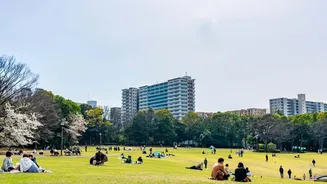
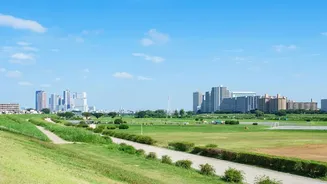
Life in India's bustling cities offers immense opportunity but often comes at a cost to our well-being. Studies have increasingly shown a link between urban living and a higher prevalence of stress, anxiety, and depression. Factors like traffic congestion,
noise and air pollution, social isolation, and the sheer lack of green spaces contribute to a state of chronic fatigue. This isn't just feeling tired; it's a deep-seated exhaustion that a regular weekend lie-in can't fix. The phenomenon has become so pronounced, especially during periods of severe air quality, that it has spurred a specific travel trend: people taking short, impromptu breaks purely to escape the toxic air of their home cities. These are not sightseeing trips but a conscious quest for clean air and a chance for the body and mind to recover.
The Science of Nature's Cure
The feeling of well-being you get from a walk in the woods or a trip to the mountains is not just in your head; it's backed by science. The Japanese practice of 'Shinrin-yoku', or 'forest bathing', involves immersing yourself in the forest atmosphere. Research shows this practice can lower blood pressure, reduce the stress hormone cortisol, and improve mood. A key reason for these benefits are phytoncides, airborne antimicrobial compounds released by trees like pines and cedars to protect themselves. When we inhale these compounds, our bodies respond by increasing the activity of Natural Killer (NK) cells, a type of white blood cell that helps fight off viruses and even tumour cells. Studies have found that the positive effects on our immune system from a forest bathing trip can last for over a month.
Why Mountain Air Is a Healer
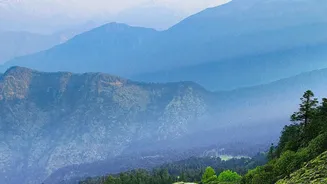
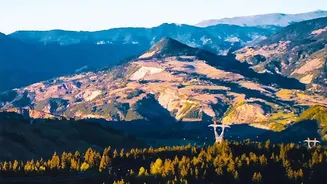
The air in high-altitude environments offers its own unique set of wellness advantages. It is naturally lower in pollutants, pollen, and other allergens, providing immediate relief for those with respiratory issues. The crisp, clean air encourages deeper breathing, improving lung function and blood circulation. While it may take a few days to acclimatise to the lower oxygen levels, the body adapts by producing more red blood cells. This process enhances your body's ability to transport oxygen, which can lead to increased energy and endurance once you return to lower altitudes. The serene and majestic mountain landscapes also have a profound psychological effect, promoting mental clarity, reducing stress, and helping to disconnect from the frantic pace of urban life.
Finding Your Sanctuary in India
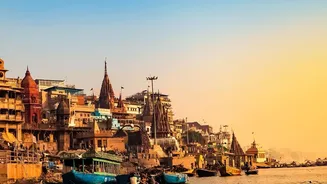
India's diverse geography offers a wealth of options for an urban recovery holiday. The Himalayan foothills are a prime destination, with places like Rishikesh, known as the 'Yoga Capital of the World', and serene towns in Himachal Pradesh and Uttarakhand offering a perfect blend of spiritual wellness and natural beauty. Resorts and wellness centres in these regions, such as Ananda in the Himalayas and Six Senses Vana, integrate ancient practices like Ayurveda and yoga with the healing environment. The Western Ghats in states like Kerala and Karnataka also provide lush green sanctuaries. These destinations are not just about escaping pollution; they offer structured wellness programs that include meditation, personalised diets, and holistic therapies designed to detoxify and rejuvenate the body and mind, making them ideal for a true recovery experience.