



What Exactly Is the Impact Player Rule?
Introduced in the 2023 season, the Impact Player rule allows each team to substitute one player from their starting eleven during a match. Before the toss, captains name their playing XI and up to five substitute fielders. One of these substitutes can
be brought in as the 'Impact Player' at specific points: the start of an innings, the end of an over, or when a wicket falls. This new player can bat and bowl their full quota, effectively turning the game into a 12-a-side contest and giving teams significant tactical flexibility to react to the match situation. Once replaced, the original player takes no further part in the game.
The Original Goal: A Tactical Spark
The BCCI's intention behind introducing the rule was to add another dimension to team strategy and make contests more competitive. The thinking was that it would allow teams to either bolster a struggling batting lineup or introduce a specialist bowler to exploit favourable conditions. BCCI Secretary Jay Shah noted that the rule was brought in as a "test case" and highlighted a key benefit: it provides playing opportunities for two additional Indian players in every game. This was seen as a way to deepen the pool of domestic talent exposed to high-pressure IPL situations.
A Growing Chorus of Criticism
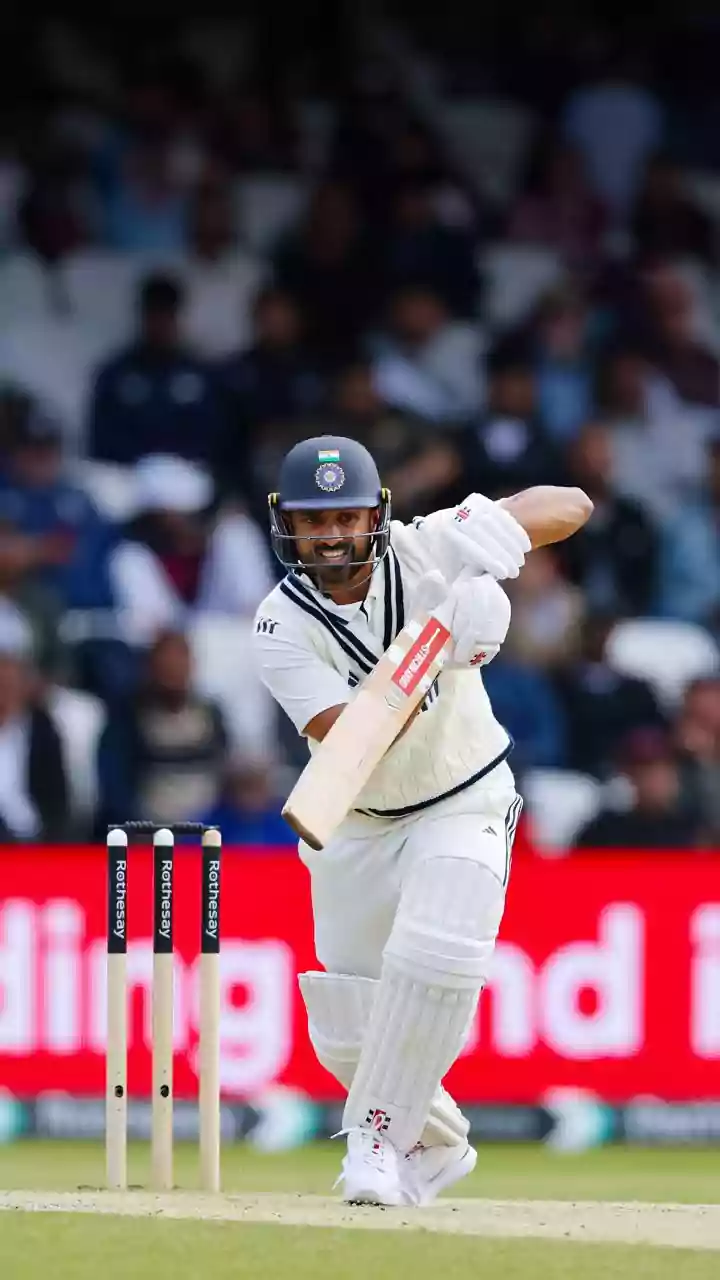
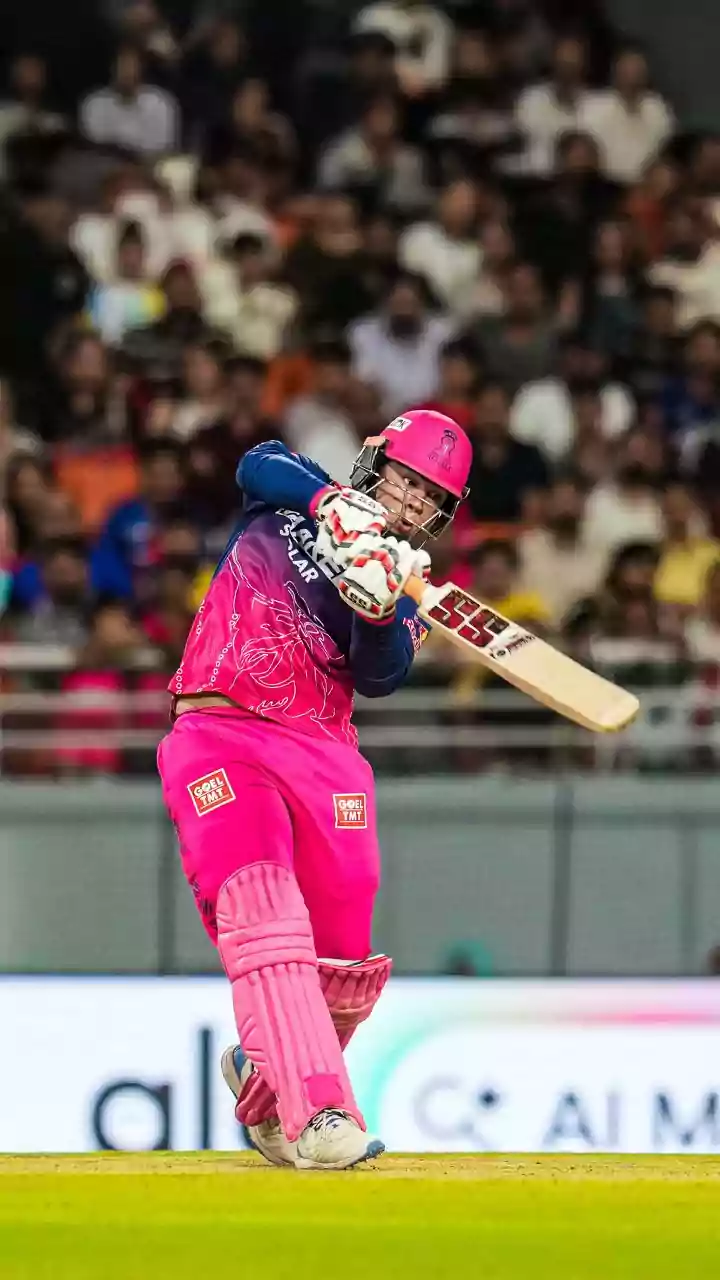
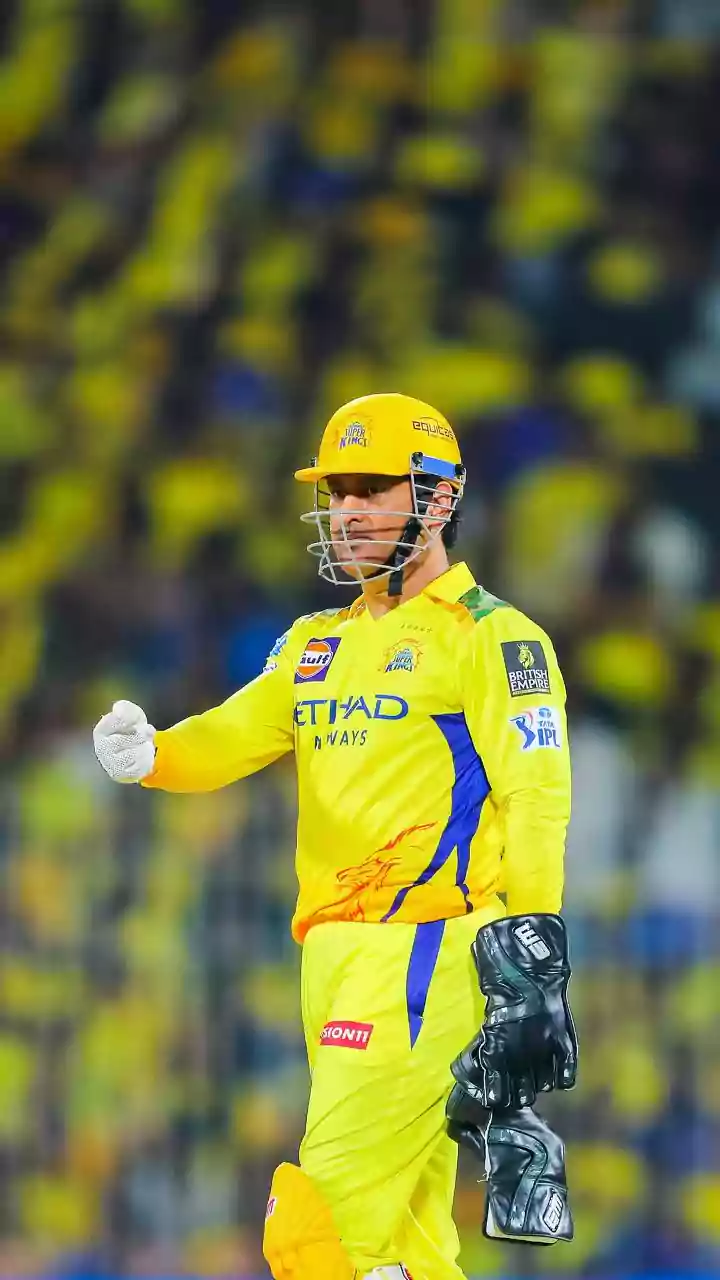
Despite its intentions, the rule has drawn heavy criticism from some of the sport's biggest names. Players like India's captain Rohit Sharma, Shubman Gill, and Axar Patel have publicly voiced their dislike for it. The primary complaint is that it severely diminishes the role of the all-rounder, a player skilled in both batting and bowling. Critics argue that teams no longer need to invest in multi-skilled players when they can simply substitute a specialist batsman for a specialist bowler. Rohit Sharma has been particularly vocal, stating the rule is detrimental to the development of Indian all-rounders. The imbalance has been a recurring theme, with many feeling the rule tilts the game too heavily in favour of batting, contributing to the recent surge in record-breaking high scores.
A Game of Specialists
The core of the debate is whether the rule fundamentally changes the nature of cricket. By allowing a specialist to be subbed in, teams can effectively lengthen their batting order without consequence, encouraging a more aggressive, high-risk approach from the start. This has led to concerns that it takes some of the inherent skill and pressure out of the game. Chasing a challenging total of 180 on a tricky wicket, some argue, is a more compelling contest of skill than watching teams comfortably chase 220 on a flat pitch, knowing they have an extra batter in reserve. This has sparked a broader conversation about the balance between bat and ball, which many believe has been compromised.
The BCCI's Formal Review
Responding to the growing debate, the BCCI has now officially sought feedback from all ten IPL franchises on the future of the rule. In a formal communication, the board asked teams to consult with their cricket operations departments and submit their consolidated views by August 31, 2026. This move follows assurances made earlier in the year by BCCI officials that the rule would be reviewed after the 2026 season. While feedback has also been sought on other operational matters like umpiring and practice conditions, the Impact Player rule is undoubtedly the most significant issue on the table.
What Happens Next?
The feedback from the franchises, alongside consultations with players and broadcasters, will be crucial in determining the rule's fate ahead of the IPL 2027 mega-auction. While BCCI Secretary Jay Shah has stated the rule is not permanent, he has also not committed to scrapping it, calling it a test case. The franchises' responses will give the board a clear picture of whether the teams that use the rule daily believe it adds value or creates an imbalance. The decision could range from scrapping the rule entirely, modifying it to lessen its influence, or keeping it as is. Whatever the outcome, it will significantly shape team construction and tactical planning for the next IPL cycle.