



You’ve just spent time and money achieving the perfect hair colour, only to watch it fade or turn brassy after a few days in the sun. Physical barriers like hats and scarves are a stylish and effective first line of defence.
How the Sun Damages Your Colour
Understanding what the sun
does to your hair is the first step in protecting it. Just like your skin, your hair is vulnerable to ultraviolet (UV) radiation. There are two types of rays at play: UVA and UVB. UVA rays are notorious for breaking down the artificial colour molecules in dyed hair, leading to faster fading and unwanted tonal shifts, like blondes turning brassy or brunettes taking on a reddish hue. Meanwhile, UVB rays attack the hair's structural proteins, like keratin. This damage weakens the hair shaft, stripping its natural moisture barrier and leaving it dry, brittle, and prone to frizz and breakage.
The Hat: Your First Line of Defence
The simplest and most effective way to shield your hair is to physically block the sun's rays. A good hat is more than just a style accessory; it's a non-negotiable for hair health. When choosing a hat, opt for a wide brim of at least three inches, as this will protect not only your scalp and hair but also your face, ears, and neck. The material matters significantly. Tightly woven fabrics like canvas, denim, or certain polyesters and nylons offer superior protection compared to a loosely woven straw hat that allows UV rays to penetrate. For an added layer of certainty, look for hats with an Ultraviolet Protection Factor (UPF) rating. A UPF rating of 50+ is considered excellent, blocking over 98% of harmful UV radiation.
The Scarf: A Chic and Versatile Shield
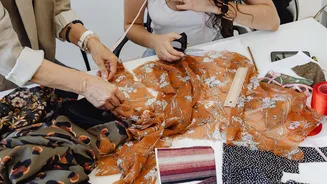
If hats aren't your style, a chic scarf can be just as effective. Scarves offer incredible versatility and can be tied in numerous ways to suit your look, from a full head wrap to a stylish turban or a simple covering over your parting. When selecting a scarf, the same rules as hats apply: a tighter weave is always better. Lightweight, satiny silks can be surprisingly protective because they help reflect radiation, while densely woven cottons also provide a good barrier. A scarf is an excellent option to keep in your bag for unexpected sun exposure, ensuring you're never caught unprotected.
Go Beyond Coverings: Use UV Hair Products
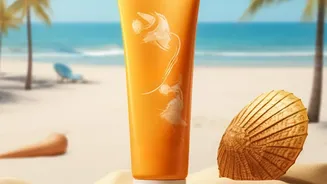
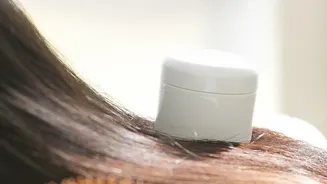
While physical barriers are best, you can reinforce your hair's defence with products specifically designed to combat sun damage. Think of these as sunscreen for your hair. Look for leave-in conditioners, styling sprays, or creams that contain UV filters. These products work by creating an invisible film on the hair shaft that helps to absorb or block UV radiation before it can cause damage. Ingredients to look for include chemical filters like ethylhexyl methoxycinnamate or physical blockers like titanium dioxide. Many of these products also contain antioxidants and moisturising agents to help hydrate and repair the hair simultaneously.
Adopt Colour-Saving Habits
A few simple adjustments to your routine can make a huge difference in preserving your colour. Start by using shampoos and conditioners formulated for colour-treated hair, which are gentler and often sulfate-free to prevent stripping. After swimming in a pool or the ocean, rinse your hair with cool, fresh water as soon as possible to remove harsh chlorine and salt, which can accelerate colour loss and dryness. Deep conditioning treatments are also crucial for colour-treated hair, as they replenish moisture lost through sun exposure. Finally, try to limit your time in direct, intense sunlight, especially during the peak hours of 10 a.m. to 4 p.m.