








Your Skin and Your City's Climate
India’s vast and varied climate means a one-size-fits-all approach to skincare is destined to fail. The needs of your skin are deeply connected to your local environment. In humid coastal cities like Mumbai, high moisture levels in the air can lead to increased
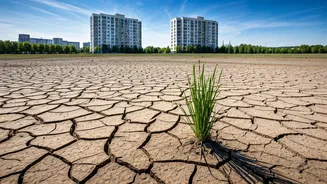
sweat, sebum production, clogged pores, and even fungal infections. In contrast, the dry winters of northern cities like Delhi can strip the skin of its natural moisture, leading to flakiness, irritation, and a compromised skin barrier. Urban pollution adds another layer of complexity. Across major metro areas, particulate matter (PM2.5), smog, and other pollutants can penetrate the skin, causing oxidative stress, inflammation, premature ageing, and hyperpigmentation. This constant environmental assault means your skin is fighting a daily battle, making it essential to choose products that protect and support its barrier function.
Decoding Your Skin's Unique Needs
Before you can match your routine to the climate, you must understand your inherent skin type. Is it oily, dry, combination, or sensitive? Hot, humid weather often exacerbates oiliness, making lightweight, gel-based products a better choice. For those with dry skin, the same weather might be manageable, but a trip to a colder, drier region would require richer, more emollient creams to prevent moisture loss. Sensitive skin, which is often a state rather than a fixed type, can react to abrupt changes in temperature and humidity, as well as pollution, leading to redness and irritation. Identifying your baseline needs allows you to make smarter, more effective adjustments as the seasons and your environment change.
The Environmental Footprint of Your Beauty Shelf
The beauty industry has a significant environmental impact, from sourcing ingredients to the packaging that ends up in landfills. Globally, the industry produces over 120 billion units of packaging each year, much of it single-use plastic that is rarely recycled. This plastic waste contributes to marine pollution and takes hundreds of years to decompose. Beyond packaging, the formulas themselves can be a concern. Many traditional lotions and creams contain up to 80% water, a precious resource. Furthermore, the demand for certain ingredients like palm oil can contribute to deforestation. As consumer awareness grows, brands are increasingly being held accountable, pushing a shift towards more sustainable practices.
Shopping Smart: A Conscious Consumer's Checklist
Marrying your skin's needs with eco-consciousness requires a thoughtful approach. Start by scrutinizing labels for both ingredients and packaging information. Prioritise brands that are transparent about their sourcing and manufacturing processes. Look for eco-friendly packaging like glass, aluminium, or recycled plastics, and support brands that offer refill programs. Consider 'waterless' or anhydrous products, such as cleansing balms, powder-to-foam cleansers, or solid moisturiser bars. These concentrated formulas not only conserve water but often require fewer preservatives and result in less packaging waste. Supporting homegrown brands that focus on locally and ethically sourced ingredients can also reduce your carbon footprint while promoting conscious luxury.
Finding Your Perfect (and Green) Match
Putting it all together means making specific choices based on your unique context. If you have oily, acne-prone skin in a humid city like Chennai, look for a lightweight, non-comedogenic moisturiser and a salicylic acid-based cleanser in recyclable packaging. For someone with dry skin facing Delhi's harsh winter, a richer cream made with ethically sourced butters and oils in a glass jar would be more suitable. The key is to think in layers: what does my skin type need? What is my local climate doing to my skin today? And finally, which product a brand aligns with my environmental values? This approach turns routine shopping into an empowered act of personal and planetary care.