




Why the Monsoon Magnifies Food Spoilage
The rainy season in India combines two factors that bacteria love: warmth and humidity. This combination creates an ideal environment for harmful microorganisms like E. coli and Salmonella to multiply rapidly on food surfaces. The moisture in the air
can make food spoil much faster than it would in drier weather. This is why health authorities, including the Food Safety and Standards Authority of India (FSSAI), consistently warn about a spike in foodborne illnesses during this time. Common monsoon ailments such as gastroenteritis, food poisoning, typhoid, and cholera are frequently linked to consuming contaminated food and water. Even food prepared hygienically at home can become a risk if not stored correctly.
The Two-Hour/One-Hour Rule
The most critical guideline for food safety is the universally recognized two-hour rule. Perishable food, which includes almost all cooked meals, should not be left at room temperature for more than two hours. Bacteria grow most rapidly in the 'temperature danger zone,' between 5°C and 60°C. Leaving food out in this zone gives them a perfect opportunity to multiply to dangerous levels. During particularly hot and humid days, when the temperature rises above 32°C (90°F), this window shrinks to just one hour. After this time, cooked food should either be refrigerated or reheated thoroughly. If it has been left out longer, the safest option is to discard it, even if it looks and smells fine.
Cooling Hot Food the Right Way
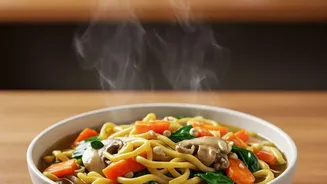
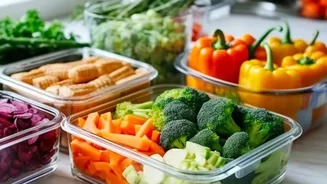
Putting a large, steaming pot of dal or curry directly into the refrigerator is a common mistake. It can raise the internal temperature of the fridge, putting other stored items at risk. Instead, food needs to be cooled down quickly before refrigeration. The best practice is to divide large quantities of food, like a big pot of biryani or soup, into smaller, shallow containers. This increases the surface area and allows the heat to dissipate much faster. You can let the food cool on the counter until it stops steaming, but do not wait for it to reach room temperature completely. The goal is to get it out of the temperature danger zone and into the cool environment of the fridge within that crucial two-hour window.
Your Refrigerator Is Your First Defence
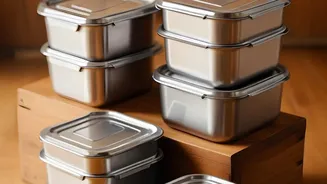
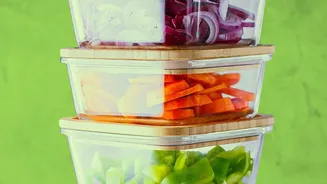
Proper refrigerator management is key during the monsoon. According to FSSAI guidelines, your fridge temperature should be set at or below 5°C to effectively slow down bacterial growth. Use airtight containers for storing leftovers; this prevents cross-contamination and protects food from absorbing excess moisture from the humid air. Organise your fridge shelves strategically. Always store raw meat, poultry, and seafood on the bottom shelf, below any cooked or ready-to-eat foods. This prevents their juices, which can carry harmful bacteria, from dripping onto other items. Regularly cleaning your fridge is also important to maintain a hygienic environment for your food.
Surviving Monsoon Power Cuts
Power outages are a frequent challenge during the Indian monsoon, and they can compromise your food's safety. If the power goes out, the best thing you can do is keep the refrigerator and freezer doors closed. A closed fridge will keep food safely cool for about four hours. A full freezer will hold its temperature for approximately 48 hours (24 hours if it is half-full). Once the power returns, check the temperature. If the fridge has been above 5°C for a substantial time, you should discard perishable foods like dairy, meat, and leftovers. Never taste food to determine if it's safe; you can't see or smell the bacteria that cause illness.
Foods That Need Extra Attention
While all cooked food is susceptible to spoilage, some items are at higher risk, especially in an Indian kitchen during the monsoon. Cooked rice spoils notoriously quickly due to a bacterium called Bacillus cereus. Dishes containing dairy or coconut milk, such as paneer curries or kormas, are also high-risk. Other foods that spoil fast include dals, seafood preparations, and cut fruits. It is best to cook these items in smaller quantities that can be consumed fresh. Avoid leaving chutneys, especially those made with coconut or fresh herbs, at room temperature for long.