
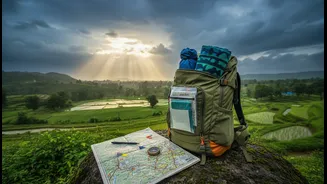




The End of the Checklist Vacation
For years, the measure of a successful holiday was a whirlwind of activity—a blur of monuments, viewpoints, and frantic photo opportunities. The goal was to see as much as possible, often leaving travellers more exhausted than when they started. But a quiet
revolution is underway. Indian travellers are increasingly moving away from this quantity-over-quality approach. The new currency of travel isn't about how many places you can tick off a list; it's about the depth of the experience. This shift is particularly evident during the monsoon, a season that traditionally saw a lull in tourism but is now being embraced for its unique charm.
The Rise of Slow, Mindful Travel
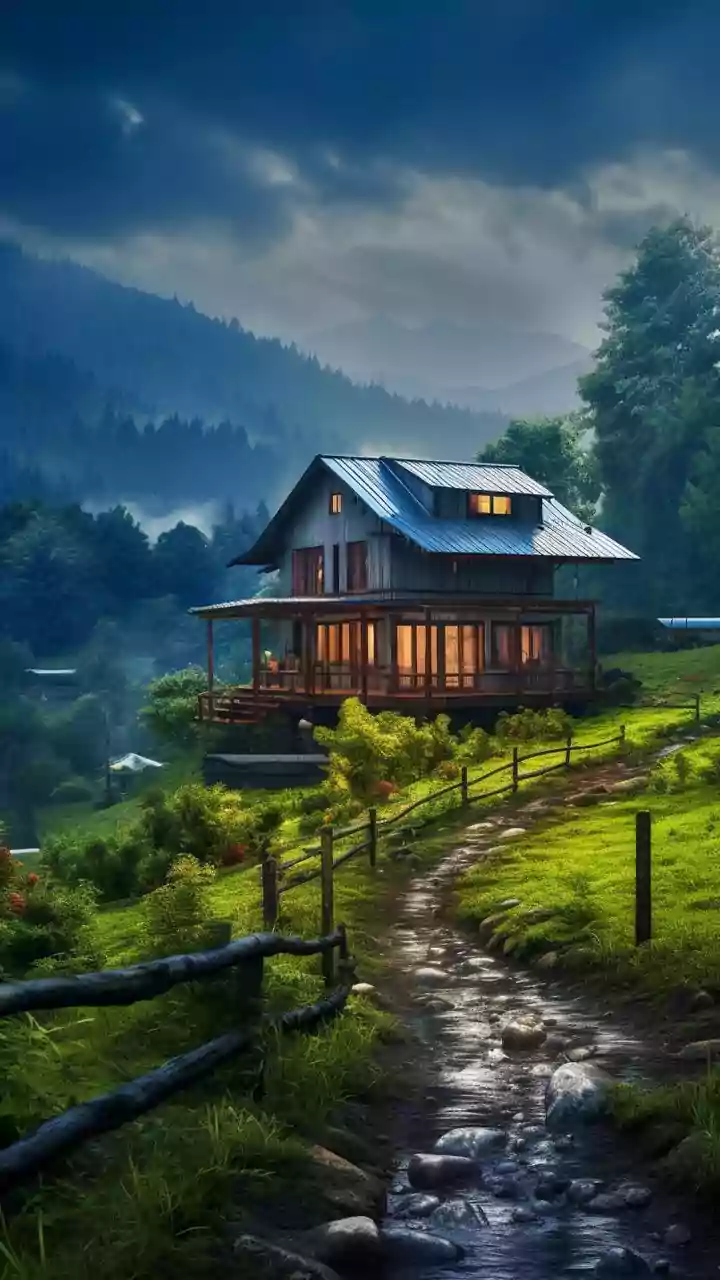
This evolving mindset is part of a larger global trend towards 'slow travel'. It prioritises connection over speed and immersion over observation. The monsoon season in India serves as a natural catalyst for this approach.. The rain encourages a pause, transforming bustling tourist spots into quieter, more authentic versions of themselves.. This is the weather for sitting on a verandah with a book, sipping hot tea, and simply watching the rain-washed world.. Industry experts note a broader shift toward experience-led travel, where the goal is relaxation, wellness, or cultural immersion rather than just seeing sights.. This is driven by travellers actively seeking to reconnect and slow down, with many now planning trips around where they want to stay, not just what they want to see..
What a Relaxation Holiday Looks Like
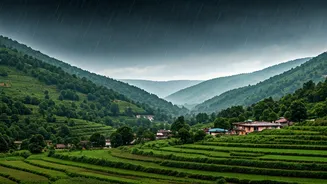
So, what does this new kind of holiday entail? Instead of hopping between three towns in a week, travellers might choose a single boutique hotel, heritage stay, or wellness retreat for a longer duration.. In Goa, this could mean skipping crowded beaches for a quiet homestay in a village, exploring spice plantations, or taking a local cooking class.. In Kerala, it might involve staying at a family-run property, watching the rain sweep across paddy fields, and enjoying Ayurvedic treatments.. Destinations known for their natural beauty and tranquil atmosphere, such as Coorg, Ooty, and Rishikesh, are seeing a surge in interest.. The focus is on experiences that rejuvenate the body and mind, from yoga and meditation to simply enjoying the serene, lush green landscapes that the monsoon brings to life..
How the Travel Industry Is Adapting
The hospitality industry is taking note of this significant shift. Hotels and resorts are no longer just selling rooms; they are curating experiences. Many are transforming into self-contained 'secure luxury enclaves' where accommodation, dining, and wellness are integrated, allowing guests to unwind without needing to venture far.. There is a rise in wellness-led formats, boutique properties, and heritage stays that offer unique, locally rooted experiences.. Travel platforms have observed a distinct shift in booking patterns, with a notable increase in searches for destinations associated with wellness, spirituality, and nature.. This has led to a boom in experiential travel, with hotels investing in personalised services and emotional engagement to cater to a market that values authenticity above all else..
Embracing the Monsoon's Magic
While mountain regions remain popular, travellers are increasingly exploring lesser-known destinations that offer nature-based experiences with fewer crowds.. The monsoon transforms landscapes, making it a perfect time for those seeking peace and quiet. The Western Ghats become a vibrant green, waterfalls cascade down hillsides, and the backwaters of Kerala take on a mystical quality.. This trend is also driven by practical advantages: the monsoon is traditionally an off-season, meaning fewer crowds and more attractive pricing.. This combination of affordability, serenity, and spectacular natural beauty makes it an ideal time for the modern traveller who seeks a break from the hustle of daily life, not a continuation of it in a different location.