







The Rise of the Micro-Cation
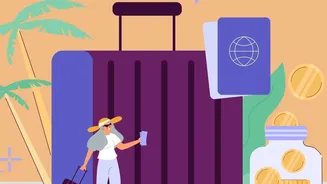
Travel is no longer a once-a-year event for many young Indians; it's becoming a lifestyle habit. This has given rise to the 'micro-cation'—a short, leisure trip lasting anywhere from two to four days. Recent reports show this trend is accelerating. According
to a study by Airbnb, seven in ten Gen Z travellers in India would rather take three short trips than one long annual holiday. The same research found that 87% prefer trips that last less than a week. Data backs this up, with searches by Indian Gen Z travellers for short getaways of 2-6 nights rising by nearly 80% for domestic travel. These trips are often spontaneous, with two-thirds of young travellers booking within just days or weeks of their departure date.
Budget-Savvy and Experience-Hungry
One of the biggest drivers of this shift is affordability. With rising living costs, many young people find it more practical to fund several smaller trips than one expensive, extended holiday. They are becoming smarter with their spending, prioritising unique experiences over lavish accommodations or shopping. This doesn't mean they're not travelling; they are simply stretching their budgets to travel more often. According to one report, 75% of young travellers say the trips they value most are the ones that don't cost a lot of money. This mindset favours quick, accessible adventures that provide a regular dose of discovery without breaking the bank.
The Anti-Itinerary Generation
For many in Gen Z, the absence of a rigid plan is often the plan itself. This generation is increasingly described as the 'anti-itinerary' crowd, moving away from packed schedules toward slower, more open-ended experiences that allow for spontaneity. A recent survey revealed that 95% of young travellers want their trips to feel personal and unique, not pre-planned. To make this happen, 64% deliberately leave parts of their schedule blank to allow for spontaneous exploration. In a surprising twist, two out of three Gen Z travellers say they sometimes take a trip with the express purpose of doing nothing at all—simply to rest, slow down, and recharge. It's a clear departure from the pressure to 'see everything' that defined previous travel styles.
Digital Discovery and De_Influenced Travel
Social media is a primary engine for travel inspiration, but Gen Z's relationship with it is complex. While platforms like Instagram and TikTok are used to discover new places, there's a growing movement towards 'de_influenced' travel. An overwhelming 90% of young travellers say they actively seek out destinations that have not gone viral or been heavily recommended online. For them, discovering an unknown café or a quiet local market holds more appeal than visiting a famous monument. Travel has become a form of self_expression. As such, the destination needs to match their personal taste, and many find more value in wandering through local neighbourhoods than hitting conventional tourist spots.
Flexibility in a Modern World
The structure of modern life also plays a crucial role. Between demanding studies, early career jobs, and side hustles, taking a long, uninterrupted break can feel like a logistical nightmare. Short weekend trips and 'workcations'—blending remote work with leisure—fit more seamlessly into this reality. This desire for flexibility explains why travel is often a reflexive response to stress, burnout, or simply an open weekend. It's less about waiting for the 'perfect' time and more about seizing small windows of opportunity to escape and recharge. This approach allows for a continuous sense of renewal, rather than pinning all hopes on a single annual escape.