





The Sticker Shock of Rising Airfares
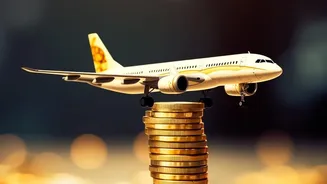
The single biggest driver is cost. International airfares have seen significant hikes, making travellers scrutinise every component of their ticket price. Airlines have been contending with strong passenger demand, volatile Aviation Turbine Fuel (ATF)
prices, and global tensions. In October 2026, major Indian carriers like IndiGo and Air India increased fuel surcharges to offset rising operational costs, a move that directly translates to more expensive tickets for consumers. For many, a one-way ticket for a short-haul international route can now cost what a return trip might have a few years ago. This new reality forces a more careful comparison, not just between airlines, but between different travel dates, booking windows, and even destinations. Value for money has become paramount, with a recent Skyscanner report noting that 67% of Indian travellers have considered changing a destination for one that offers better value.
The Visa Gauntlet Changes the Game
A fantastic flight deal means nothing if you can’t get a visa in time. The 'visa gauntlet' has become a major factor in route planning. For popular destinations like the USA, the wait time for a visitor visa interview appointment can stretch from three to fourteen months. This uncertainty makes it nearly impossible to book flights without significant financial risk. As a result, travellers are increasingly favouring destinations with simpler, faster visa processes. Countries offering e-visas or visa-on-arrival have seen a surge in popularity among Indian tourists. This logistical hurdle is actively rerouting travel plans, pushing many to compare routes not just to their dream destination, but to places they can access with less friction and uncertainty. The choice of route is now intrinsically linked to the feasibility of entry.
The Direct Flight Revolution
Time is money, and a growing number of Indian travellers are willing to pay a premium to save it. The expansion of direct, non-stop international flights from Indian cities is reshaping preferences. Airlines like Air India and IndiGo, along with international carriers, have launched a slew of new direct routes in 2026, connecting Indian hubs to destinations like Zurich, Tokyo, Athens, and Hanoi. This boom in connectivity, from both metro and Tier-II cities, presents a clear choice: a cheaper, one-stop flight with a long layover, or a more expensive but far more convenient direct flight. For families, business travellers, and those on shorter holidays, the appeal of avoiding transit hassles is immense, making the direct option a compelling, and often preferred, choice despite the higher cost. This has made the 'time vs. cost' calculation a central part of comparing flight options.
More Than Just the Base Fare
The modern traveller is looking beyond the headline price. The rise of low-cost carriers (LCCs) on international routes has trained travellers to look at the fine print. While the initial fare may be low, ancillary costs for baggage, seat selection, and meals can add up quickly. Travellers are becoming more adept at calculating the 'total cost' of travel. A full-service carrier might offer a higher initial fare but include a generous baggage allowance and meals, potentially making it a better value proposition than an LCC once all extras are accounted for. Furthermore, factors like airline reputation, service quality, layover duration, and the quality of the transit airport are playing a bigger role. The decision is no longer just about getting from Point A to B, but about the quality and comfort of the entire journey.