







The Allure and the Risk
India during the monsoon is a sensory delight. Hills and valleys are cloaked in vibrant green, waterfalls cascade with newfound energy, and the air is fresh and cool. This, combined with fewer crowds and lower hotel prices, makes it a tempting time for
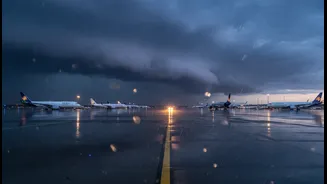
a holiday. However, this beauty comes with inherent risks. Heavy rainfall can trigger landslides in hilly regions like Himachal Pradesh and Uttarakhand, cause flash floods in coastal areas like Goa and Kerala, and lead to widespread waterlogging in cities, disrupting transport. Recent events in July 2026 have shown how quickly conditions can change, with heavy rains causing significant travel delays, including flight cancellations in major hubs like Mumbai and Delhi.
Decoding Hotel Cancellation Policies
That irresistible hotel deal can lose its charm if your trip is derailed by weather. This is where understanding cancellation policies becomes non-negotiable. Hotels typically offer a range of options. A 'non-refundable' booking is the cheapest but riskiest; if you can't travel due to a landslide or a cancelled flight, you lose the entire amount. More flexible options allow for free cancellation up to 24 or 48 hours before check-in. Some travel operators explicitly state that no refund will be made for cancellations due to bad weather or landslides, as these are considered beyond their control. Before booking, scrutinise the fine print. Don't assume a hotel will be lenient just because the weather is bad. When in doubt, call the property directly to clarify their policy for weather-related disruptions.
Your Pre-Booking Monsoon Checklist
Being a smart traveller means doing your homework. First, check the long-range weather forecast from a reliable source like the India Meteorological Department (IMD) for your specific destination, not just the state. Pay attention to any 'red' or 'orange' alerts. Second, read recent hotel reviews from other monsoon travellers, as they provide real-world insights into how a property handles the season—mention of leaky roofs, power backup, or indoor activity options is invaluable. Third, assess the hotel's location. Is it in a landslide or flood-prone area? Good road access is crucial when travel can be unpredictable. Finally, ask the hotel about their monsoon readiness, such as having on-call doctors, insect control, and rain gear for guests.
Consider Indoor Comforts and Activities
Since the rain might keep you indoors more than expected, the hotel's amenities become the main attraction. A property that offers engaging indoor activities like cooking classes, a well-stocked library, board games, or a quality spa can turn a rainy day from a disappointment into a highlight. Look for hotels that market themselves as monsoon-ready, offering cosy comforts like hot beverages on arrival or special dining experiences. A great indoor experience can make you feel like the rain is a feature of your trip, not a bug. Some hotels even offer all-inclusive packages, where meals and activities are part of the price, making a 'stay-in' holiday feel like a luxurious retreat.
The Safety Net of Travel Insurance
Travel insurance is often overlooked for domestic trips but can be a financial lifesaver during the monsoon. While standard policies may not cover every inconvenience, many offer protection against trip cancellations and interruptions for covered reasons, which can include natural disasters. Specifically, look for 'flight delay' or 'flight cancellation' coverage, as this is often where weather-related claims are handled. It's important to read the policy carefully to understand what is defined as a covered event. According to DGCA guidelines, in cases of flight cancellation, passengers are entitled to a refund or an alternative flight. Insurance provides an extra layer of security, reimbursing non-refundable expenses if your trip is cancelled or cut short due to severe weather events.