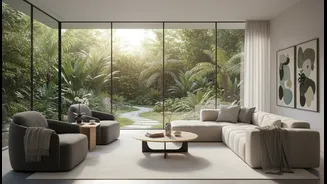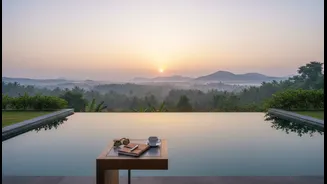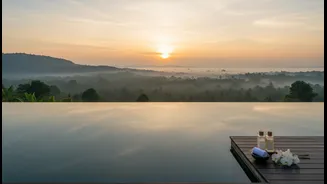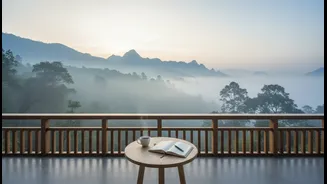






From Possessions to Peace of Mind
There’s a significant cultural shift underway, with affluent Indians increasingly prioritising spending on experiences over acquiring material goods. According to a recent Visa report, a staggering 58% of discretionary spending by India's ultra-elite
is now directed toward travel. This isn't just a trend among the super-rich; it's a mindset being adopted by young professionals, millennials, and Gen Z, who are driving the demand for travel that delivers more than just a change of scenery. The hustle of modern urban life, digital fatigue, and post-pandemic reflections on well-being have converged, making time and mental peace the new status symbols. The ultimate luxury is no longer a physical object but the feeling of being restored, recharged, and disconnected from the daily grind.
The Anatomy of a 'Meaningful' Break
So, what does a meaningful weekend break look like? It’s less about frantic sightseeing and more about immersive experiences. Wellness tourism, for example, is booming, with travellers seeking out yoga retreats in Rishikesh, Ayurvedic therapies in Kerala, or simply quiet stays in nature to detox and de-stress. The Indian wellness market is projected to grow significantly as more people seek holidays that improve their physical and mental health. Beyond wellness, the focus is on authenticity. This includes agri-tourism at farm-stays, heritage-led travel that connects with India's rich history, and adventure trips like trekking or rafting that offer a sense of accomplishment. Many now prefer these shorter, more frequent getaways over one long annual holiday, seeing them as essential for maintaining balance.
The New Weekend Warriors
This movement is largely powered by India's younger generations. Millennials and Gen Z, who comprise a significant portion of the population, are at the forefront of this experiential shift. Reports show that a high percentage of these younger travellers plan to increase their travel budgets, prioritising unique and exclusive experiences. They are also influential within their families, driving a surge in multi-generational trips where the goal is creating shared memories. Solo travel is also on the rise, with many individuals, including a growing number of women, embarking on short trips to recharge and explore independently. These travellers are digitally savvy but also increasingly seek to disconnect, valuing experiences that feel personal rather than performative.
Beyond the Five-Star Hotel
While luxury accommodation remains popular, the definition of a premium stay has expanded. Recent data shows a massive surge in bookings for five-star hotels, but the motivation has changed. Travellers are choosing accommodation that is central to the holiday experience itself—be it a high-end wellness resort, a restored heritage palace, or a boutique eco-lodge. The emphasis is on what the stay enables: privacy, unique activities like cooking workshops or private art tours, and a genuine connection to the local culture. It’s about the stories you collect, not just the thread count of the sheets. This pivot means that luxury is now defined by access to rare moments and a feeling of holistic well-being, transforming the hospitality industry in the process.