


A Slice of Pure Nostalgia
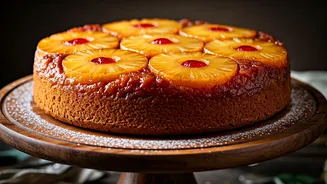
Step into any trendy urban bakery, and alongside the delicate macarons and rustic sourdough loaves, you might spot a familiar, sun-kissed sight: the Pineapple Upside-Down Cake. With its glossy, amber caramel, perfectly placed pineapple rings, and a bright
red cherry in each centre, it’s a dessert that feels like a warm hug from the past. For many, it evokes childhood memories of family gatherings, festive teas, or that one aunt who baked it to perfection. This cake isn't just a recipe; it's a feeling. Its resurgence isn't accidental. It represents a collective craving for simplicity, comfort, and the uncomplicated joy of a well-made, unpretentious dessert.
A Surprisingly Modern History
While it feels like an age-old tradition, the Pineapple Upside-Down Cake is a thoroughly modern invention, born from 20th-century technology and marketing. Its story is inseparable from the advent of canned pineapple. In the early 1900s, an engineer named James Dole perfected a way to can pineapple in Hawaii, making the tropical fruit accessible and affordable to households year-round. To promote their product, pineapple companies (including Dole) sponsored recipe contests in the 1920s. Thousands of submissions for cakes baked “upside-down” poured in, a technique where toppings are placed in the bottom of the pan before the batter is added. The pineapple version, with its stunning visual appeal when flipped, became the breakout star. It wasn't an ancient family heirloom but a clever culinary creation powered by industrial innovation.
The Psychology of Comfort Baking
In recent years, the world has collectively sought comfort in the familiar. During times of stress and uncertainty, we often gravitate towards things that provide a sense of security and warmth. Food, especially baked goods from our childhood, is a powerful source of this comfort. The process of baking an upside-down cake is methodical and rewarding: arranging the fruit, melting the butter and sugar, pouring the simple batter. The final 'reveal,' when the cake is inverted to expose its beautiful, glistening top, provides a small but significant moment of triumph. This return to nostalgic baking—also seen in the revival of banana bread and simple butter cakes—is a direct response to a need for grounding, hands-on activities that yield delicious, reassuring results.
Perfectly Designed for the Instagram Age
It’s a happy coincidence that a cake designed nearly a century ago is perfectly suited for the visual demands of the 21st century. The Pineapple Upside-Down Cake is, simply put, photogenic. Its geometric pattern, glistening caramel glaze, and vibrant colours pop on a screen. Unlike a frosted layer cake that requires expert decorating skills, the beauty of an upside-down cake is baked right in. The pattern is created by the simple act of arranging fruit in a pan. This built-in artistry makes it a favourite for home bakers and professionals alike who want to share their creations online. It’s a low-effort, high-impact dessert that looks as good as it tastes, generating countless likes and inspiring others to bake it themselves.
A Canvas for Modern Flavours
Part of the reason this classic endures is its incredible versatility. While the pineapple-and-cherry combination is iconic, modern bakers are using the upside-down format as a canvas for new and exciting flavours. Think blood oranges and rosemary for a wintery twist, pears with cardamom and ginger, or even plums with a hint of star anise. The basic vanilla-scented cake batter is a neutral base that pairs beautifully with almost any fruit and spice combination. This adaptability allows chefs to honour the nostalgic form while updating the flavour profile for a contemporary palate. It keeps the cake from feeling like a museum piece, ensuring it remains a relevant and exciting option on any dessert menu.