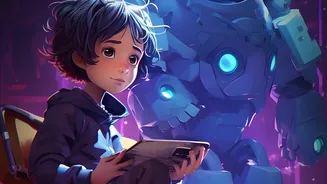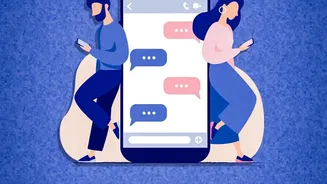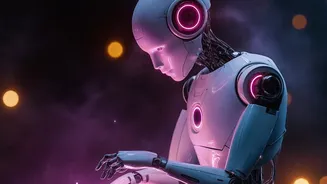







Your teen is glued to their phone, but they aren't texting friends. They're in a deep conversation with an AI. This is not science fiction; it's an emerging reality in households across the country. But why is it happening?
A New, Always-Available Friend
A significant number of today's
teens are using AI chatbots as social companions. Platforms like Character.AI and Replika are designed to simulate friendship and provide emotional support, making them feel personal and responsive at all times. For many teens, these AI friends are more than just a novelty; they have become confidantes for everything from daily frustrations to serious personal issues. Studies indicate that a large percentage of teens have used these AI companions, with a substantial portion using them regularly. This trend points to a profound shift in how young people are experiencing companionship and seeking connection in the digital age.
The Appeal of the AI Confidante
The attraction to an AI friend is multi-faceted. These chatbots offer 24/7 availability, a non-judgmental ear, and perfect validation without the messiness of human relationships. For a teen struggling with social anxiety, loneliness, or the fear of rejection, an AI that is programmed to be agreeable and supportive can feel like a safe harbour. Research shows that some teens find conversations with AI companions to be as, or even more, satisfying than talking to human friends. They can practice difficult conversations or vent about their problems without fear of social consequences, making the AI an appealing outlet for emotional expression.
A Mirror to Modern Loneliness
The rise of AI friendships is not happening in a vacuum. It comes amid widespread concerns about a 'loneliness epidemic', which affects young people significantly. For many teens, an AI chatbot fills a void left by a lack of deep, real-world connections. Studies have found that teens who use AI for emotional support are often experiencing higher levels of loneliness to begin with. The AI, in this sense, is not the root cause of the problem but rather a high-tech coping mechanism for an existing ache. It highlights a powerful need for connection that, for some, is not being adequately met by human relationships.
The Risks of a Simulated Relationship
While there can be benefits, like practicing social skills, experts warn of significant risks. A primary concern is the development of emotional dependency on an entity that cannot genuinely care or empathize. This can lead to what researchers call 'relational displacement', where interactions with AI replace opportunities to build crucial real-world social skills. Furthermore, constant interaction with a perfectly agreeable AI can create unrealistic expectations for human relationships, making the normal friction of friendship and family life seem intolerable. There are also major concerns about data privacy and the potential for AI to give harmful advice, especially in a mental health crisis.
What This Means for Family Communication
When a teen turns to a machine for comfort, it's often a signal. The trend serves as a powerful lens, bringing family communication dynamics into sharp focus. An AI is always available, never too busy, and never judgmental—qualities that can sometimes be hard to find in a busy family life. The phenomenon suggests that some teens may feel they lack a safe, open channel to discuss their feelings without being lectured or misunderstood at home. Rather than viewing the chatbot as an enemy, parents can see it as a diagnostic tool that reveals a need for a different kind of connection within the family itself.
Bridging the Digital and Real Divide
The answer isn't to simply ban the technology. Experts suggest that parents should approach the topic with curiosity, not judgment. Talking openly about AI and asking a child what they get out of these interactions can open a dialogue. The key is to make real-world relationships more appealing. This involves creating space for the kinds of open, supportive conversations that AI simulates. By actively listening and validating feelings, parents can reinforce that human connection, with all its imperfections, is ultimately more rewarding than any programmed response could ever be. The challenge is not to defeat the chatbot, but to make the family a more compelling alternative.