






Success in the Shade: Monsoon Care Essentials
Gardening in the wet season is less about constant watering and more about managing excess moisture and humidity. The biggest challenge is preventing waterlogged soil, which leads to root rot. Choose pots with plenty of drainage holes. A light, well-draining
soil mix is non-negotiable; combine garden soil with compost and sand or coco-peat to ensure water flows through freely. While herbs love the moisture in the air, poor air circulation can encourage fungal diseases. Try to place pots where they receive a good breeze. Check the soil before watering; during rainy spells, your plants may not need extra water for days. If your balcony or window receives heavy, direct rainfall, consider moving the pots to a more sheltered spot to avoid damaging the delicate leaves and root systems.
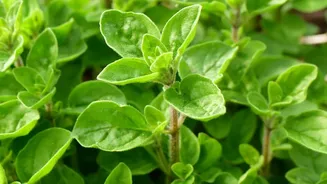
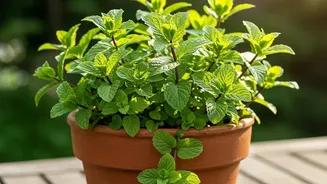
Mint (Pudina)
Mint is one of the most forgiving herbs and it positively thrives in the high humidity of the monsoon. It prefers moist soil and actually does better in partial shade than in the scorching full sun of Indian summers. This makes it perfect for a slightly gloomy balcony corner. Mint is a vigorous grower, so it's best to plant it in its own container to prevent it from taking over your other pots. Ensure the pot has good drainage to keep its roots happy. Harvest the leaves regularly by pinching off the top sprigs; this encourages the plant to become bushier and more productive, giving you a constant supply for your tea and chutneys.
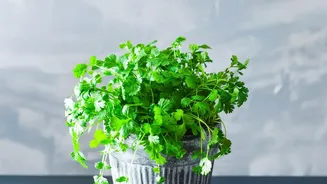
Coriander (Dhania)
Fresh coriander is a staple in Indian kitchens, and the monsoon is the ideal time to grow it. The plant dislikes intense heat, which causes it to 'bolt' or flower prematurely, and it thrives in the cooler, moderate temperatures of the rainy season. Coriander grows best with four to six hours of indirect or filtered sunlight, making a bright windowsill or a partially shaded balcony spot perfect. The seeds have a better germination rate if you lightly crush them and soak them overnight before sowing. For a continuous supply, plant a new batch of seeds every few weeks throughout the season.
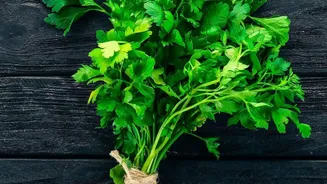
Parsley
Often mistaken as a herb that needs full sun, parsley actually prefers partial shade, especially in warmer climates. The intense heat can be harsh on its leaves, so the filtered light of a cloudy monsoon sky is highly beneficial. It is packed with nutrients and its fresh, clean flavour is a wonderful addition to salads, sauces, and garnishes. Grow it in a deep pot to accommodate its long taproot and use a well-draining soil mix. Like other herbs during this season, ensure it's protected from heavy downpours which can batter the plant.
Lemongrass
The refreshing, citrusy aroma of lemongrass is a perfect match for the earthy smell of rain. This herb loves warm and humid conditions, making it a great candidate for a monsoon garden. While it appreciates sunlight, it can tolerate partial shade. Lemongrass requires consistent moisture but, like all herbs on this list, it needs good drainage to prevent its roots from rotting. It grows quite large, so provide it with a spacious pot. You can use its stalks and leaves to brew a refreshing and calming tea, perfect for a rainy evening.
Holy Basil (Tulsi)
No Indian herb garden is complete without Tulsi. Revered for its medicinal properties, Tulsi is known to boost immunity, which is especially useful during the monsoon when colds and infections are common. It grows well year-round but flourishes during the rains. While it enjoys sun, it can manage perfectly well in a spot with indirect sunlight. The key to a healthy Tulsi plant is to avoid overwatering. Water only when the topsoil feels dry to the touch, as its roots are susceptible to rot in constantly soggy soil. Pinching off the flowers encourages more leaf growth, giving you plenty of leaves for your daily kadha.