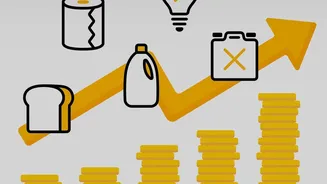







Rising prices and talk of higher interest rates are causing anxiety for many homebuyers in India. This uncertainty directly impacts your monthly budget and long-term financial plans, raising critical questions about your home loan.
The Link Between Inflation and Your EMI
The connection is simple
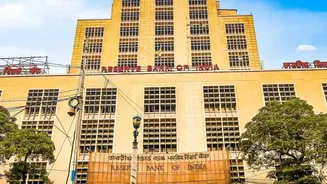
but powerful: to control inflation (the rate at which prices for goods and services rise), the Reserve Bank of India (RBI) often increases the repo rate. The repo rate is the interest rate at which the RBI lends money to commercial banks. When it becomes more expensive for banks to borrow, they pass that cost on to customers by increasing interest rates on loans, including home loans. Since most modern home loans have a floating interest rate linked to this benchmark, any hike in the repo rate can quickly lead to a higher Equated Monthly Instalment (EMI) for you.
What's the Current Scenario?
As of late 2026, retail inflation has been a persistent concern, even breaching the RBI's upper tolerance limit of 6% in recent months. This has prompted the central bank to adopt a tighter monetary policy. After a series of hikes, the repo rate has climbed, with economists expecting further increases into 2027 to manage price pressures. For borrowers, this means the era of record-low interest rates is firmly behind us, and the focus has shifted to managing the impact of these rising costs.
Strategies for Existing Borrowers
If you have an existing floating-rate home loan, you've likely seen your EMI increase or your loan tenure get longer. Don't panic; you have several options. The first is prepayment. Using any surplus funds, like a bonus or maturing investment, to pay off a part of your principal can significantly reduce your total interest outgo. RBI rules bar prepayment penalties on floating-rate loans, making this a cost-effective option. Another strategy is a home loan balance transfer, where you move your outstanding loan to another lender offering a lower interest rate. This is most effective early in your loan tenure when the interest component of your EMI is highest. However, be sure to calculate the costs involved, such as processing fees and stamp duty, to ensure the savings are substantial. Before switching, it's always worth negotiating with your current lender; a good repayment history and an improved credit score can be strong bargaining chips.
Advice for Prospective Homebuyers
If you're planning to buy a home now, the landscape looks different. Higher interest rates mean higher EMIs from day one, which can affect your loan eligibility. Lenders may be more stringent with their debt-to-income ratio calculations. To navigate this, consider making a larger down payment. This reduces the total loan amount, making your EMIs more manageable and reducing the absolute impact of future rate hikes. A strong credit score is more crucial than ever, as it can help you secure a loan at the most competitive rate available. While the market might feel daunting, real estate experts note that India's property market remains resilient, driven by strong demand and infrastructure growth, making long-term investment a viable goal for those who are financially prepared.
What Is the Long-Term Outlook?
Interest rates move in cycles. The current high-rate environment is a response to specific economic conditions, namely inflation. Forecasters expect rates may continue to rise into mid-2027 before potentially stabilizing or easing as inflation cools. While this offers little immediate relief, it's a reminder that today's rates are not permanent. For homebuyers, this underscores the importance of financial discipline. Planning for potential EMI increases, maintaining an emergency fund, and focusing on long-term value rather than trying to time the market perfectly are the most reliable strategies for success.