



The Case for a Morning Flow
Starting your day with yoga can be a transformative habit for both mind and body. A morning practice gently wakes up your system, boosting circulation and easing any stiffness that has settled in overnight. This increase in blood flow delivers a natural
energy lift, helping you feel more alert and prepared for the day without the jitters that can come from caffeine. Energetic sequences, like the classic Sun Salutations, are designed to invigorate the body and activate muscles. Furthermore, a morning yoga session can set a positive and mindful tone for the hours ahead. It provides a quiet moment to center your thoughts and set intentions before the demands of work and life begin. This practice can also help regulate cortisol, the body's stress hormone, which naturally peaks in the morning.
Sunrise Poses for Focus and Energy
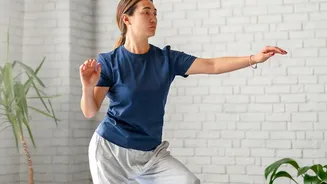
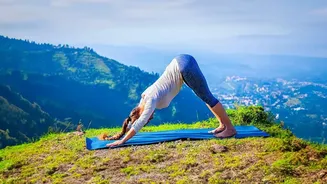
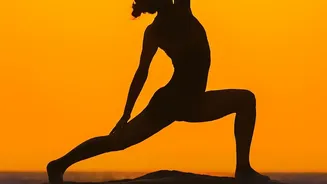
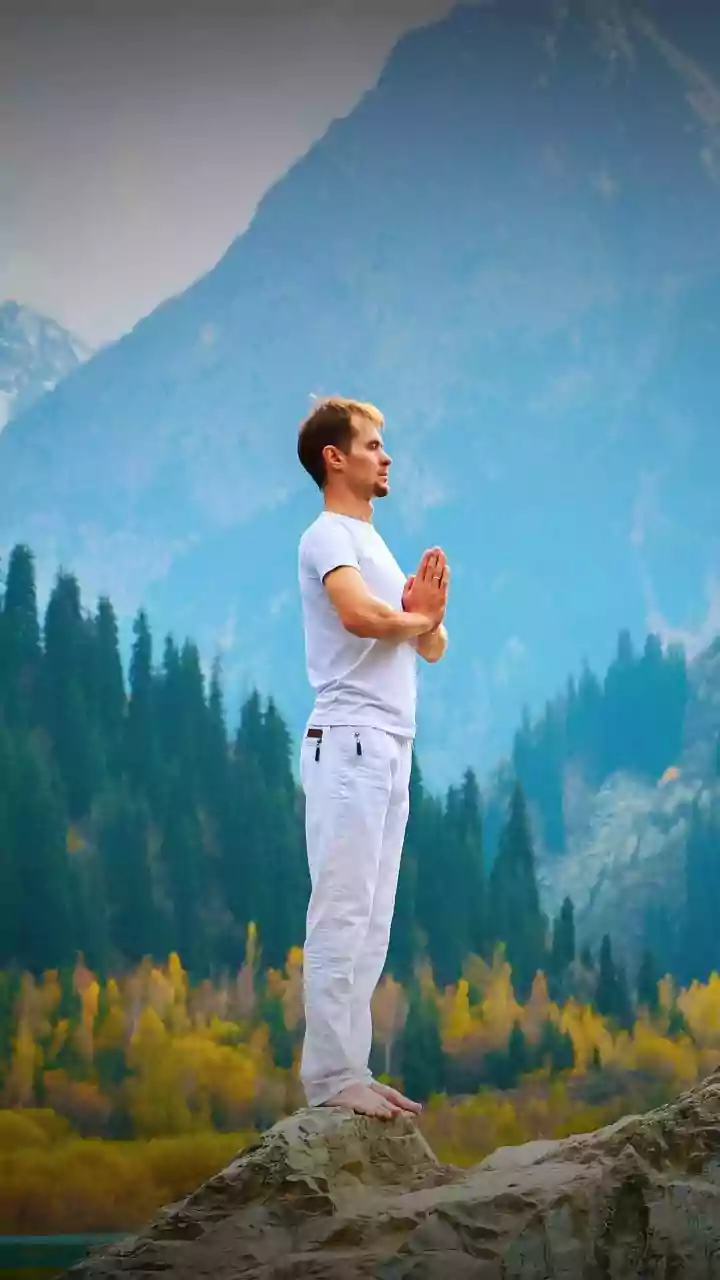
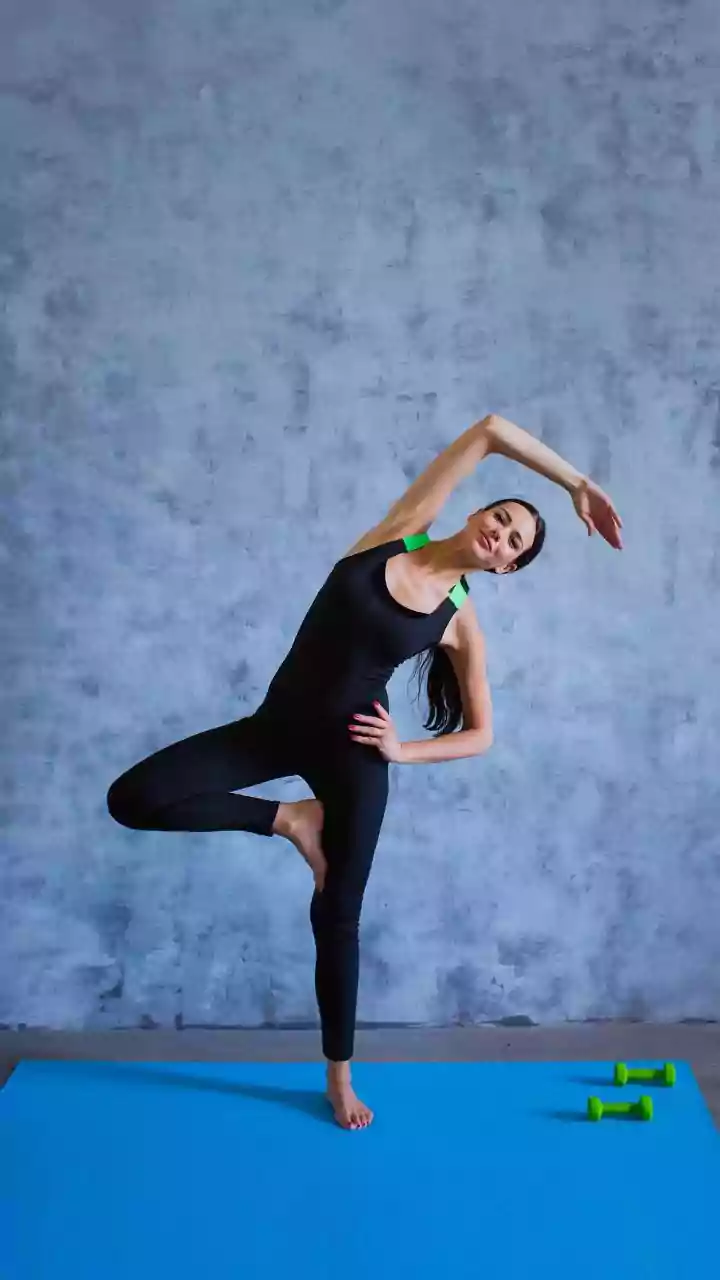
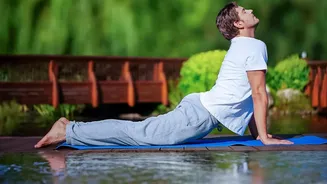
To get the most out of a morning routine, focus on postures that create energy and stability. Poses like Warrior I (Virabhadrasana I) and High Lunge build strength and open the body. Gentle backbends such as Cobra Pose (Bhujangasana) can help energize the spine, while a Cat-Cow Stretch (Marjaryasana-Bitilasana) is perfect for waking up the back and improving flexibility after sleep. Standing poses like Tree Pose (Tadasana) challenge your balance and encourage mental focus right from the start. Even a simple Standing Forward Bend can send blood flow to the head, making you feel more awake and ready to tackle your day.
Winding Down with Evening Yoga
As the day comes to a close, an evening yoga practice offers a different set of profound benefits, primarily centered on relaxation and sleep. A gentle, restorative session can help you transition from the active, often stressful, state of your day to a calmer one. This practice signals to your nervous system that it's time to shift from the 'fight-or-flight' response to the 'rest-and-digest' mode, inducing a state of deep relaxation. Studies suggest that a consistent evening practice can improve overall sleep quality, reduce the time it takes to fall asleep, and minimize nighttime disturbances. It works by helping to lower blood pressure and reduce levels of cortisol, which can disrupt sleep if they remain elevated at night. The mindful movement helps release physical tension stored in the muscles—especially in the neck, shoulders, and back—and quiets a racing mind.
Sunset Stretches for Deeper Sleep
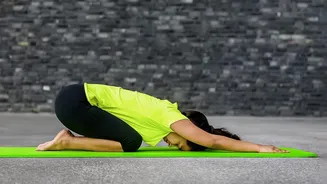
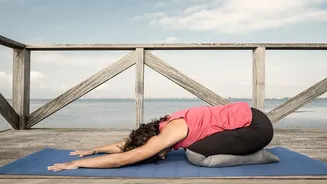
For an evening practice, the goal is to soothe, not stimulate. Focus on slow movements and floor-based poses. Child's Pose (Balasana) is an excellent way to start, as it encourages stillness and calms the nervous system. Poses that include a gentle forward bend, like a Seated Forward Bend (Paschimottanasana), help to calm the mind. One of the most highly recommended poses for sleep is Legs-Up-the-Wall (Viparita Karani), which helps relieve tired legs and promotes relaxation. Other beneficial poses include Reclining Bound Angle Pose (Supta Baddha Konasana) and gentle Supine Spinal Twists, which release tension in the hips and spine. Holding these restorative poses for several deep breaths prepares the body for a night of restful sleep.
Morning or Evening: Which Is Right for You?
The ideal time to practice yoga ultimately depends on your personal goals and lifestyle. If your primary objective is to boost energy, improve mental clarity for the day ahead, and build a consistent routine, morning yoga is likely your best bet. The quiet of the early hours often has fewer distractions, making it easier to stick to your commitment. On the other hand, if you struggle with stress, anxiety, or poor sleep, an evening practice may be more beneficial. It can serve as a powerful tool to decompress and signal to your body that it's time to wind down. A recent study highlighted this split, finding morning practice was linked to better overall sleep quality, while evening sessions were more effective at reducing immediate feelings of tension and sadness. The most important factor, however, is consistency. A 15-minute daily practice is more impactful than a 90-minute session once a week.