




What Are Smart Outline Scanners?
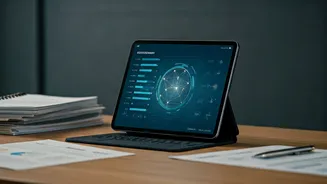
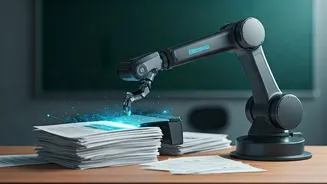
Forget the image of a physical machine scanning paper. These “scanners” are sophisticated software programs powered by artificial intelligence and natural language processing. They are designed not to grade a final essay for its creative or nuanced arguments,
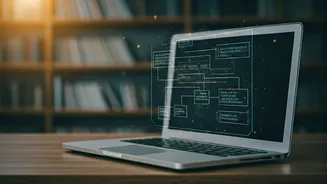
but to analyse the foundational structure of an essay outline or early draft. The AI looks for key components: a clear thesis statement, logical topic sentences for each paragraph, the presence of supporting evidence, and overall coherence. It provides instant, automated feedback on these structural elements, highlighting where an outline is strong and where it needs more development before the student even begins writing the full piece.
The Promise: More Time for Teaching
The primary benefit is right there in the headline: freeing up time. In India, where teachers often manage large class sizes, the hours spent on providing repetitive, foundational feedback can be overwhelming. Correcting the same structural mistakes across dozens of assignments is exhausting and inefficient. By automating this first pass, these AI tools handle the low-level, rule-based feedback. This allows educators to reclaim hours previously lost to grading. Instead of spending their evenings marking basic outline errors, they can prepare more engaging lessons, offer one-on-one student conferences, or facilitate deeper classroom discussions. The focus shifts from being a proofreader of structure to a mentor of critical thinking.
How Students Benefit Directly
The advantage isn't just for teachers. For students, the biggest win is the speed of feedback. Instead of waiting days or even weeks to learn if their essay plan is on the right track, they receive input almost instantly. This allows them to revise and strengthen their arguments while the assignment is still fresh in their minds. This rapid feedback loop helps reinforce good writing habits. Furthermore, the feedback from an AI tool is objective and non-judgemental. For a student who may be hesitant to share an early, imperfect draft with a teacher, this private, low-stakes feedback can build confidence and encourage them to take more risks in their initial planning stages.
The Necessary Human Element
However, it’s crucial to understand the limitations. An AI can identify a missing thesis statement, but it can't appreciate a uniquely brilliant or creative one. It can check for the presence of evidence but cannot judge its quality, nuance, or persuasive power. Critics rightly worry that an over-reliance on these tools could lead students to “write for the algorithm,” prioritising formulaic structures over original thought. The art of writing involves style, voice, and sophisticated persuasion—qualities an AI is not yet equipped to evaluate. The warmth, encouragement, and personalised guidance of a human teacher who understands a student's individual strengths and weaknesses remain irreplaceable. The tool can check the blueprint, but only a person can truly appreciate the architecture.
A Tool, Not a Teacher Replacement
Ultimately, the most effective implementation of smart outline scanners is as an assistant, not a replacement. Think of it as a teaching assistant that handles the initial, most tedious part of the grading process. This frees up the lead teacher—the expert educator—to focus on the most important, high-impact aspects of their job: fostering critical thinking, nurturing creativity, and building meaningful relationships with their students. When used thoughtfully, this technology doesn't diminish the role of the teacher; it enhances it. It allows them to spend less time on administrative tasks and more time on the human art of teaching.