


Prepare Your Vehicle Before the Rains Hit
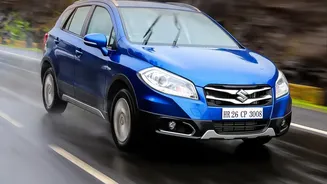
The most important step for a safe monsoon commute happens before you even hit the road. A pre-monsoon check-up for your car or two-wheeler is non-negotiable. Tyres are your first line of defence on wet roads. Ensure they have adequate tread depth—at
least 2-3 mm—to disperse water and prevent skidding or hydroplaning. Worn-out tyres are a major risk on slippery surfaces. Equally critical are your brakes. Stopping distances nearly double on wet roads, so get your brake pads and fluid levels checked. Finally, ensure your visibility systems are in top shape. Replace old or streaky wiper blades, top up your windshield washer fluid, and check that all lights—headlights, tail-lights, and indicators—are working perfectly. A weak battery is also more likely to fail in damp weather due to increased use of lights, wipers, and defoggers.
For Car Drivers: Navigate Water and Traffic Wisely
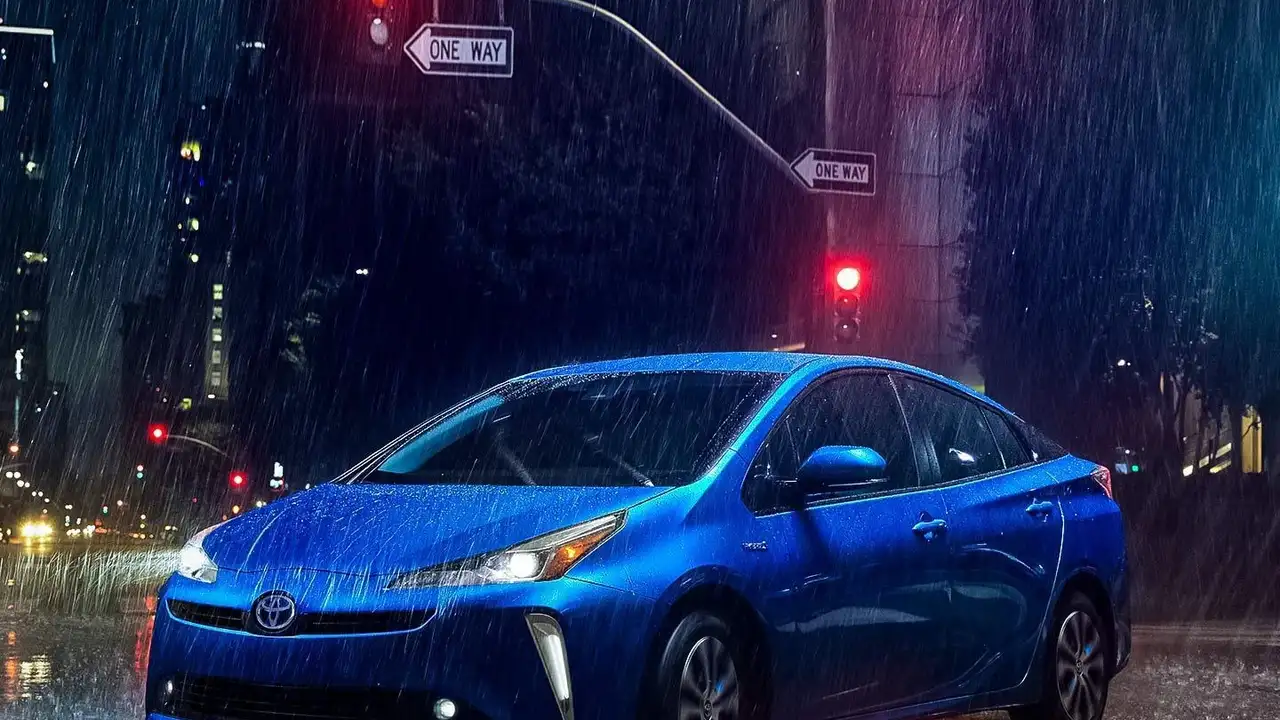
Once you're on the road, patience is your best friend. Reduce your speed significantly and increase the distance between your vehicle and the one in front. This gives you more time to react and accounts for longer braking distances. The biggest menace in Indian cities is waterlogging. Never attempt to drive through a flooded street if you cannot gauge its depth. Hidden potholes, open manholes, and debris can cause severe damage to your car's engine and undercarriage, or lead to an accident. If you must drive through shallow water, do so slowly in a low gear. Afterwards, tap your brakes gently a few times to dry out the brake components and ensure they are working effectively. Poor visibility is another major hazard, so always turn on your headlights during a downpour, even in the daytime.
For Two-Wheeler Riders: Your Safety is Exposed
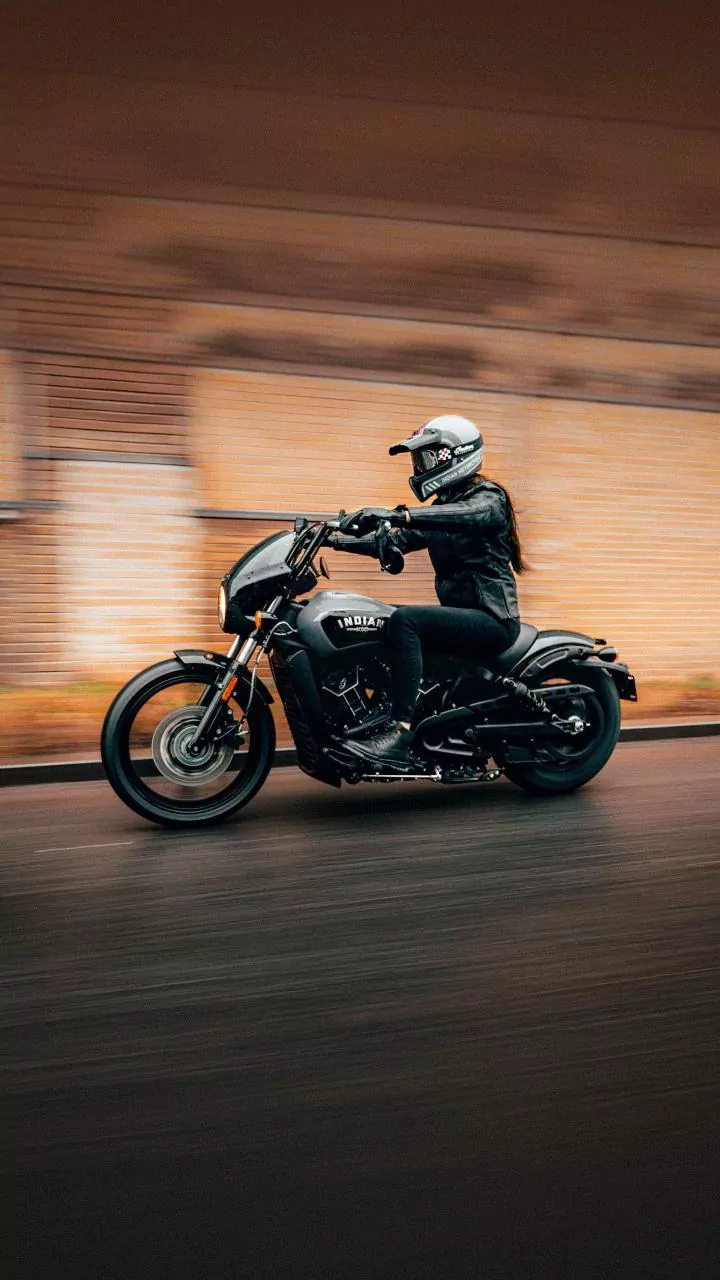
Riding a motorcycle or scooter in the rain requires an even higher level of caution as you are more exposed to the elements and risks. Good quality protective gear is essential, including a waterproof jacket and a full-face helmet, preferably with an anti-fog visor to maintain clear vision. Be extremely gentle with your controls. Avoid sudden acceleration or hard braking, as this can easily lead to a skid on slick roads mixed with oil and mud. Be extra wary of painted road markings and manhole covers, which become incredibly slippery when wet. Pay close attention to the road surface to spot hidden potholes concealed by rainwater. Given the reduced visibility for all drivers, make yourself as conspicuous as possible by wearing brightly coloured or reflective gear.
On Foot or Public Transport: Stay Alert and Prepared
Even if you aren't driving, the monsoon commute has its own set of dangers. For pedestrians, the biggest risks are slippery pavements and hidden dangers in waterlogged areas. Avoid rushing or running across wet roads, as drivers' visibility is low. Wear sturdy, non-slip footwear. Be extremely cautious of open drains, uncovered manholes, and the risk of electrocution from fallen power lines or waterlogged electrical poles. If you use public transport like buses or trains, expect delays and plan accordingly. Station stairs and foot-over-bridges can be very slippery, so hold the railing and move slowly. Keep your phone fully charged and carry a power bank, as it can be a lifeline for tracking transport or contacting help if you get stranded. Also, protect your electronics and important documents in waterproof bags.
Your Monsoon Commute Emergency Kit
A small emergency kit can be a lifesaver during an unexpected breakdown or long traffic jam. For your car, consider keeping a tow rope, jumper cables, a flashlight, and a first-aid kit. Whether you are in a car or using public transport, it is always a good idea to have an umbrella, a small towel or microfibre cloth, a bottle of drinking water, some snacks, and a portable phone charger in your bag. These simple items can make a significant difference in your comfort and safety if your journey gets unexpectedly delayed.