



The Green Takeover on Your Screen
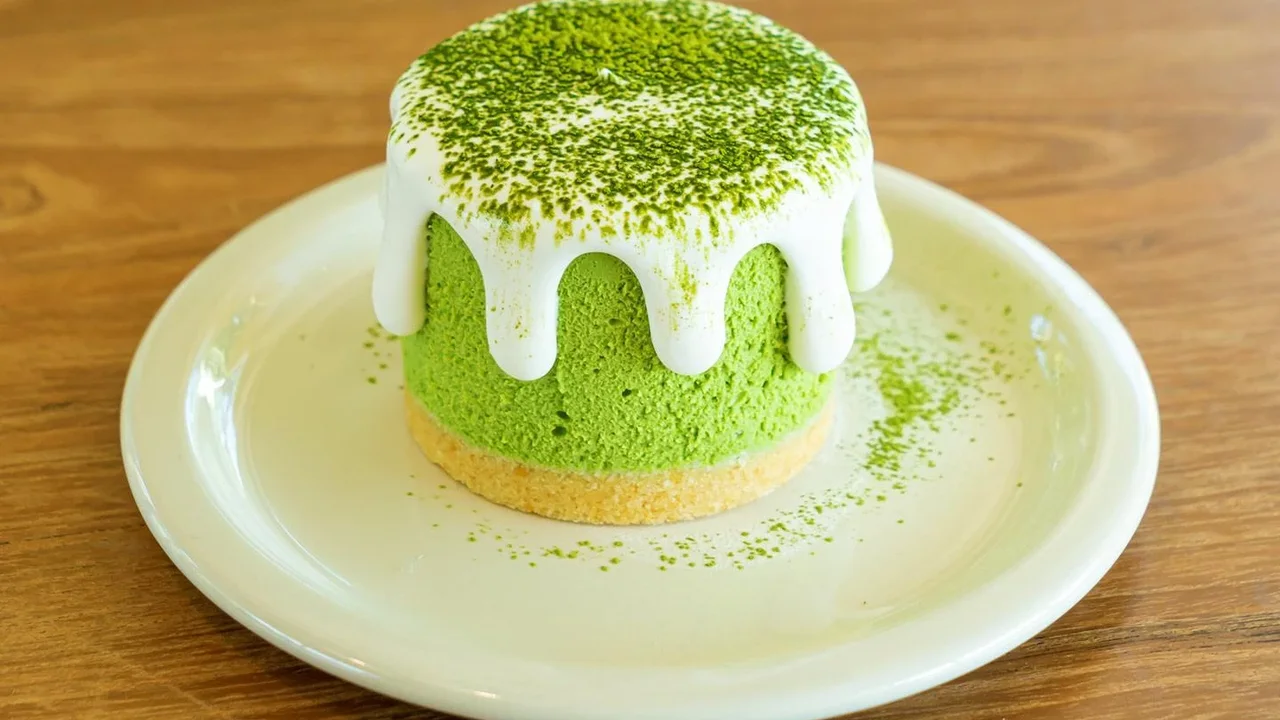
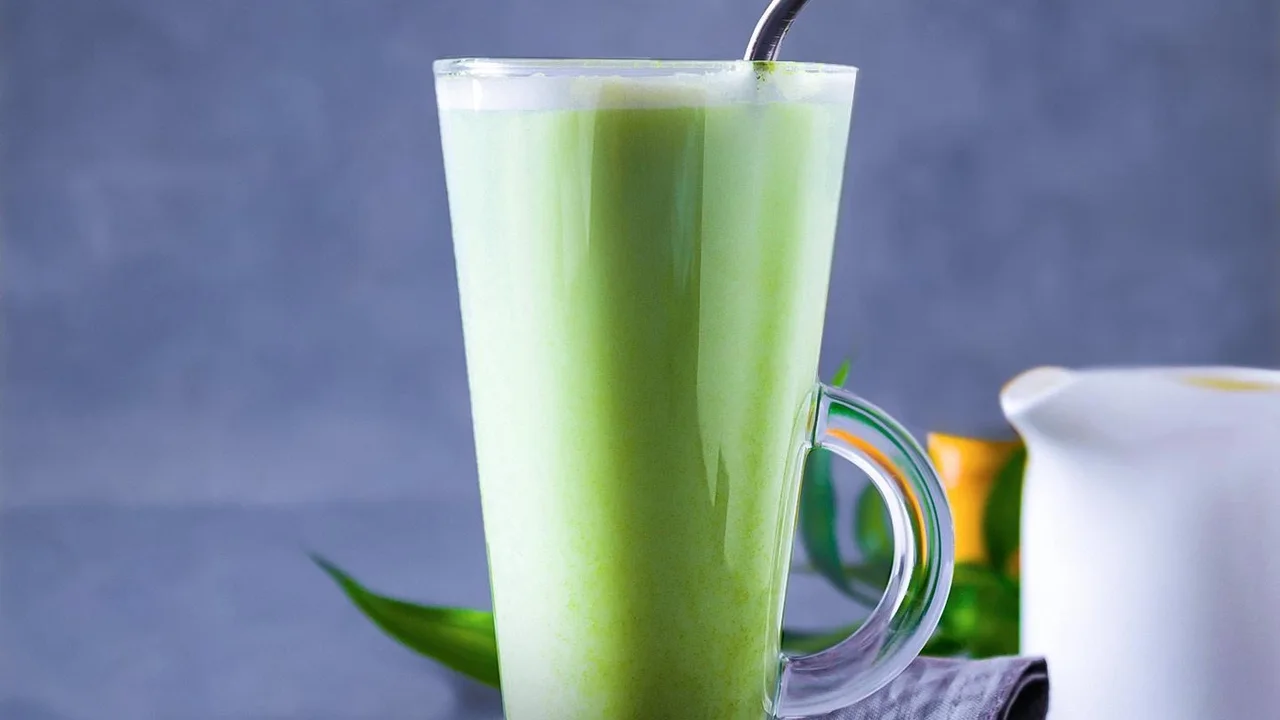
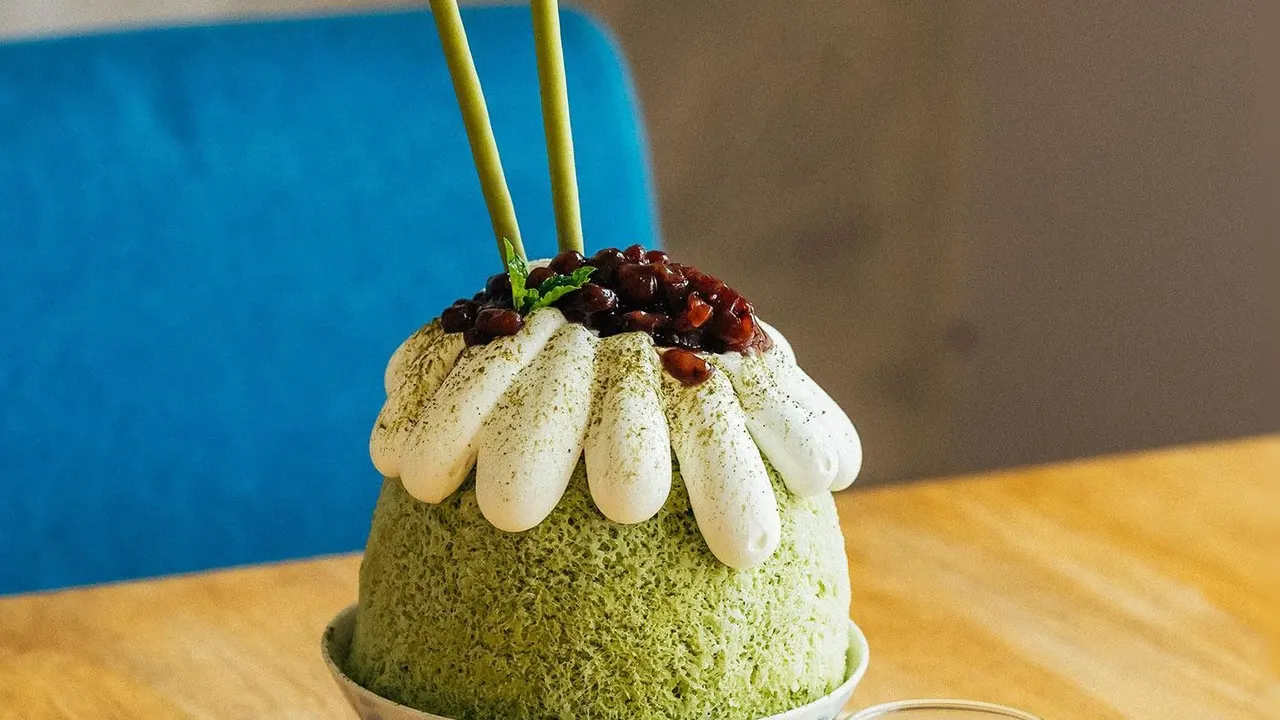
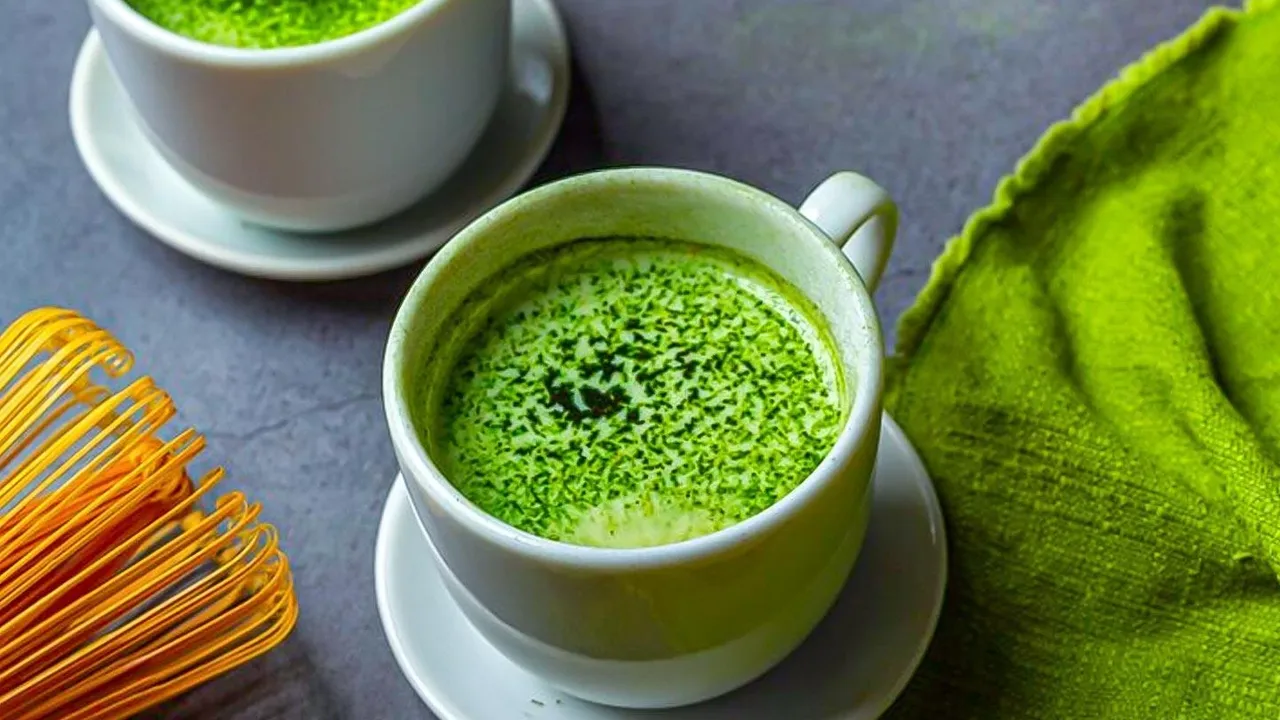
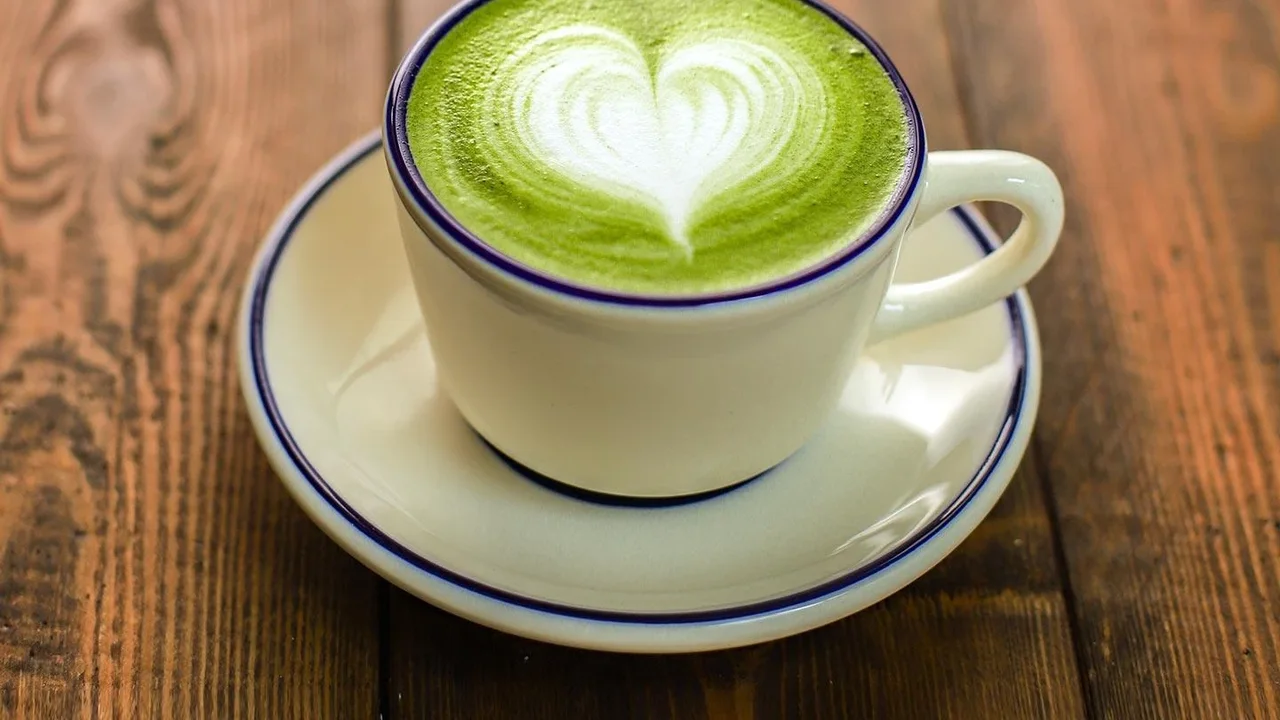
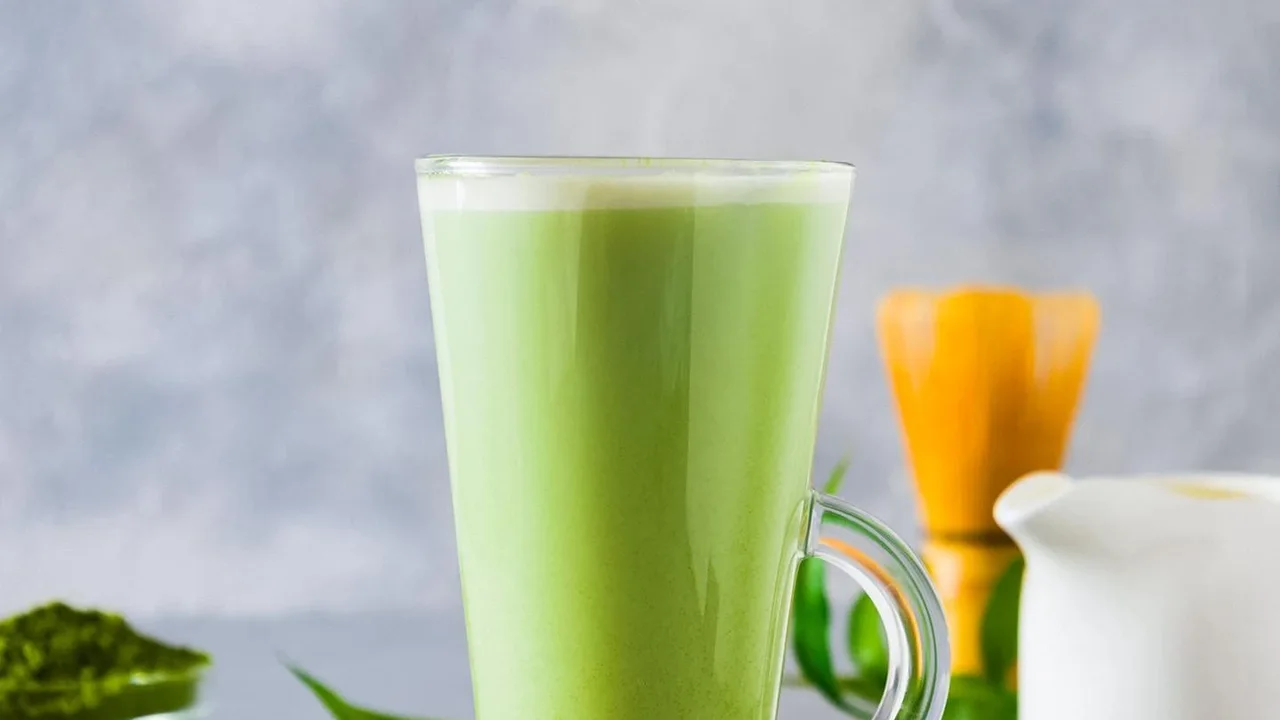
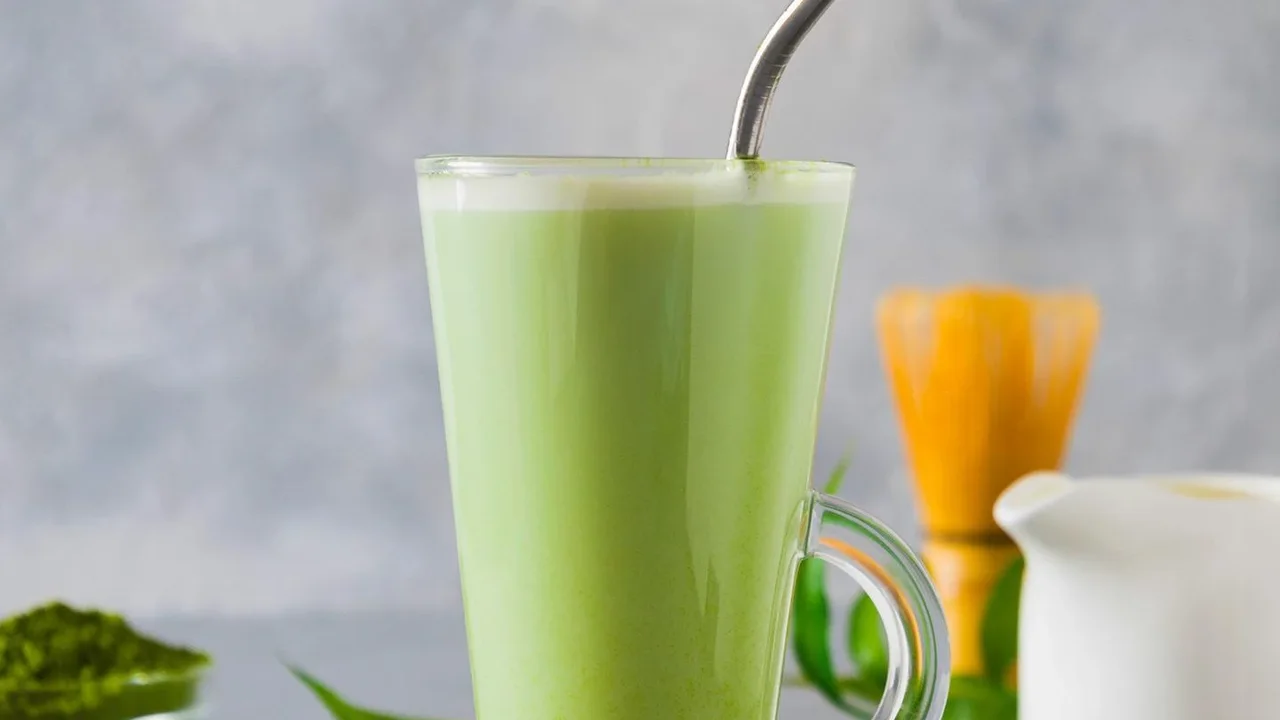
The evidence is everywhere. You have seen the layered strawberry matcha lattes, where pink purée meets creamy milk and a vivid green topping, practically designed for Instagram. Then there are the whipped matcha concoctions and endless variations of cakes,
cookies, and even massive donuts filled with rich matcha cream. This isn't just a café trend; it's a full-blown social media phenomenon. Market reports from 2026 confirm that while matcha has been growing for years, its expansion into new and indulgent formats is happening now, driven by its photogenic nature and versatility. Major coffee chains have noted that in some stores, matcha drinks are even beginning to outsell coffee, a testament to its mainstream explosion. This isn't just about a drink; it's about an aesthetic that is both luxurious and accessible.
What Exactly Is Matcha?
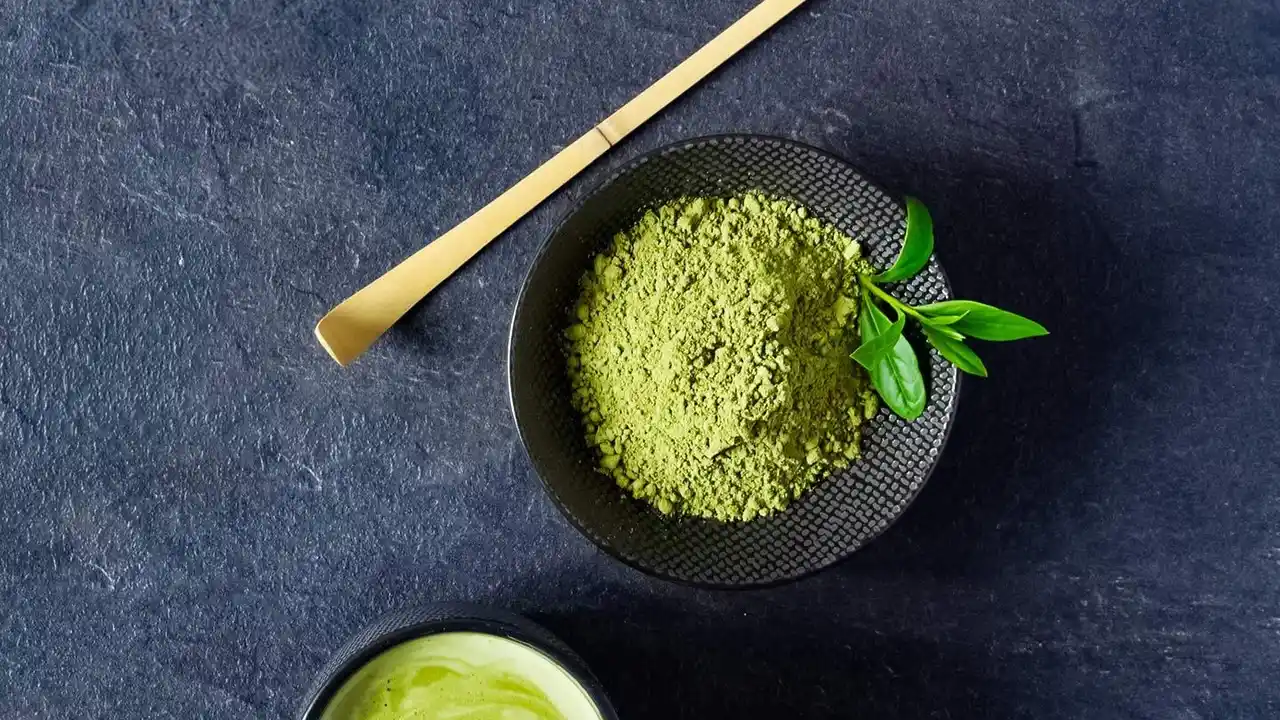
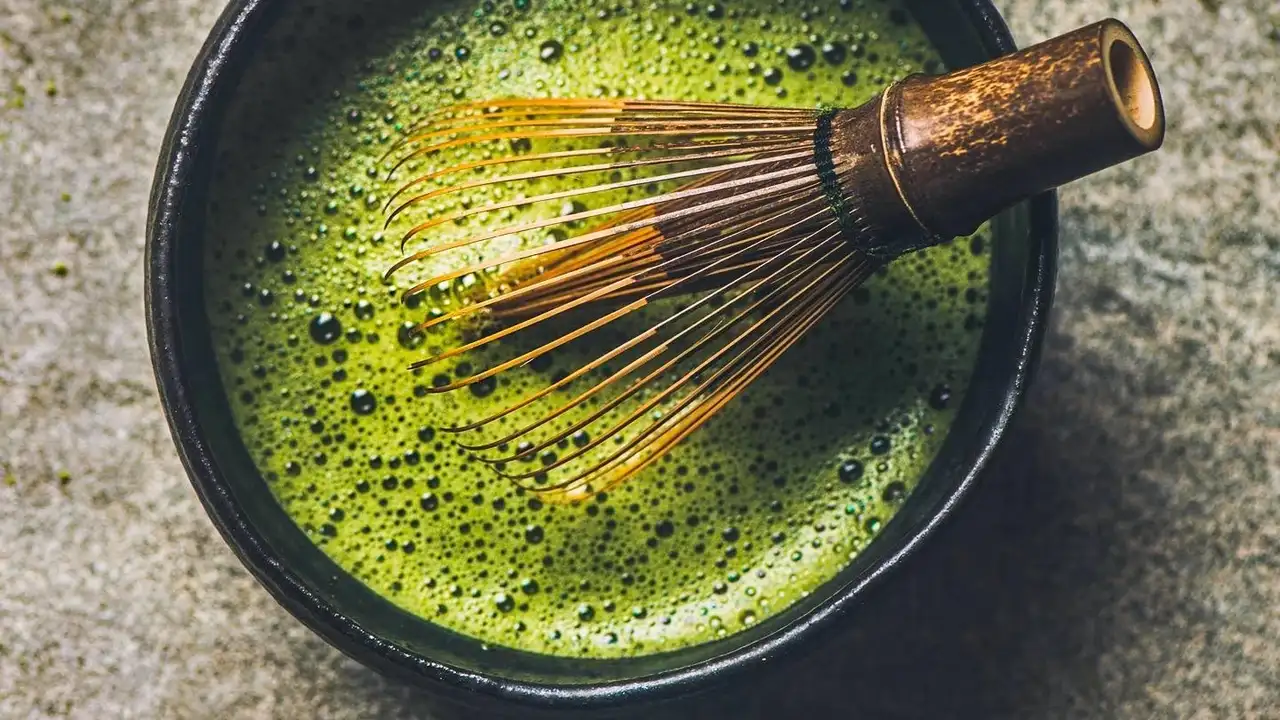
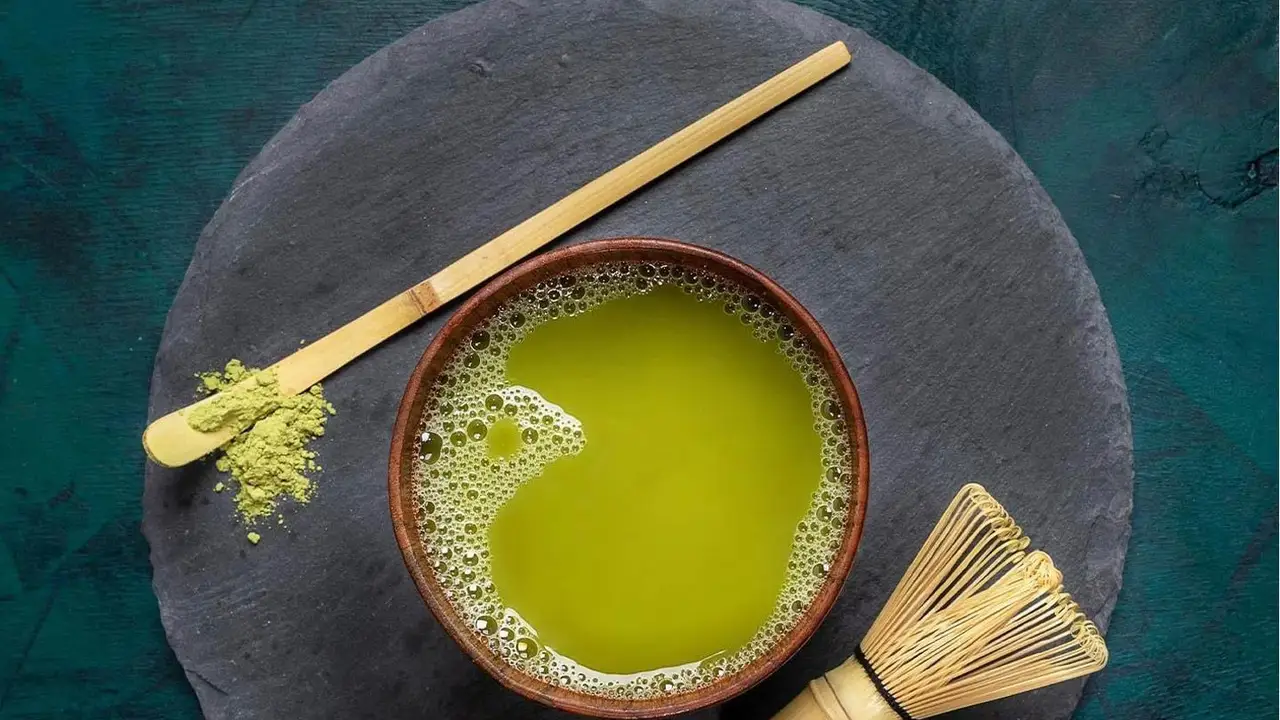
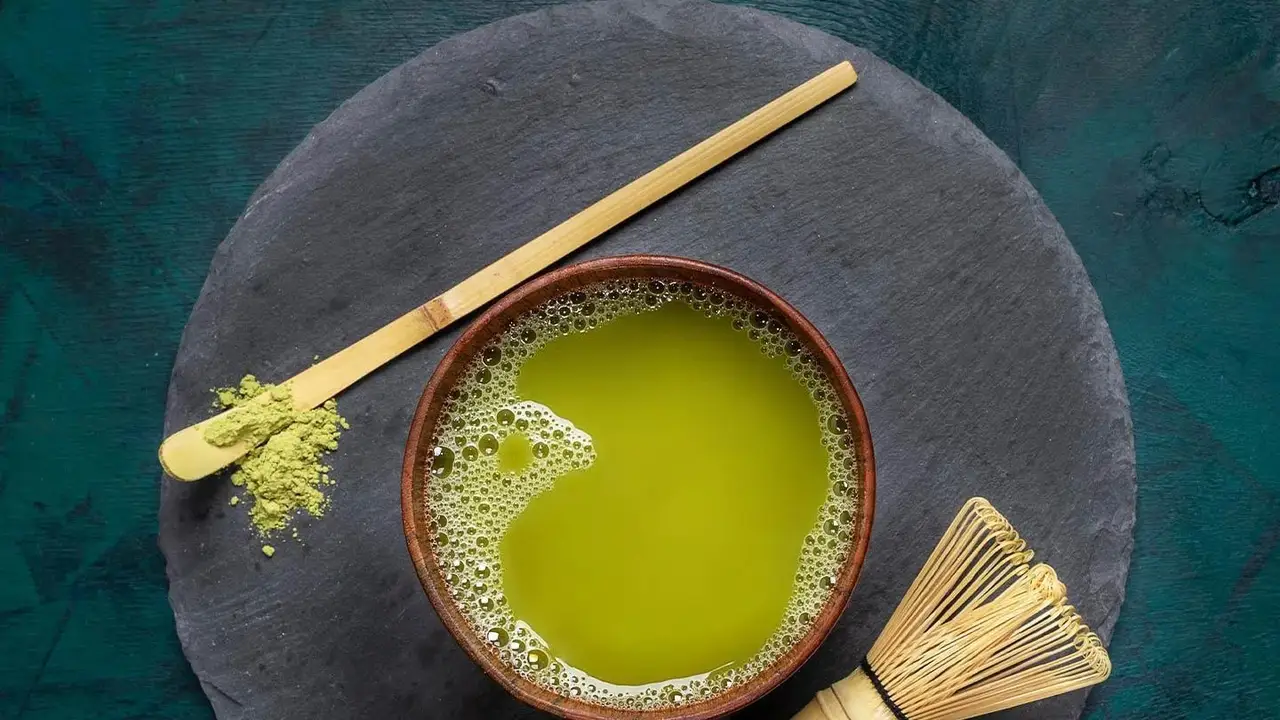
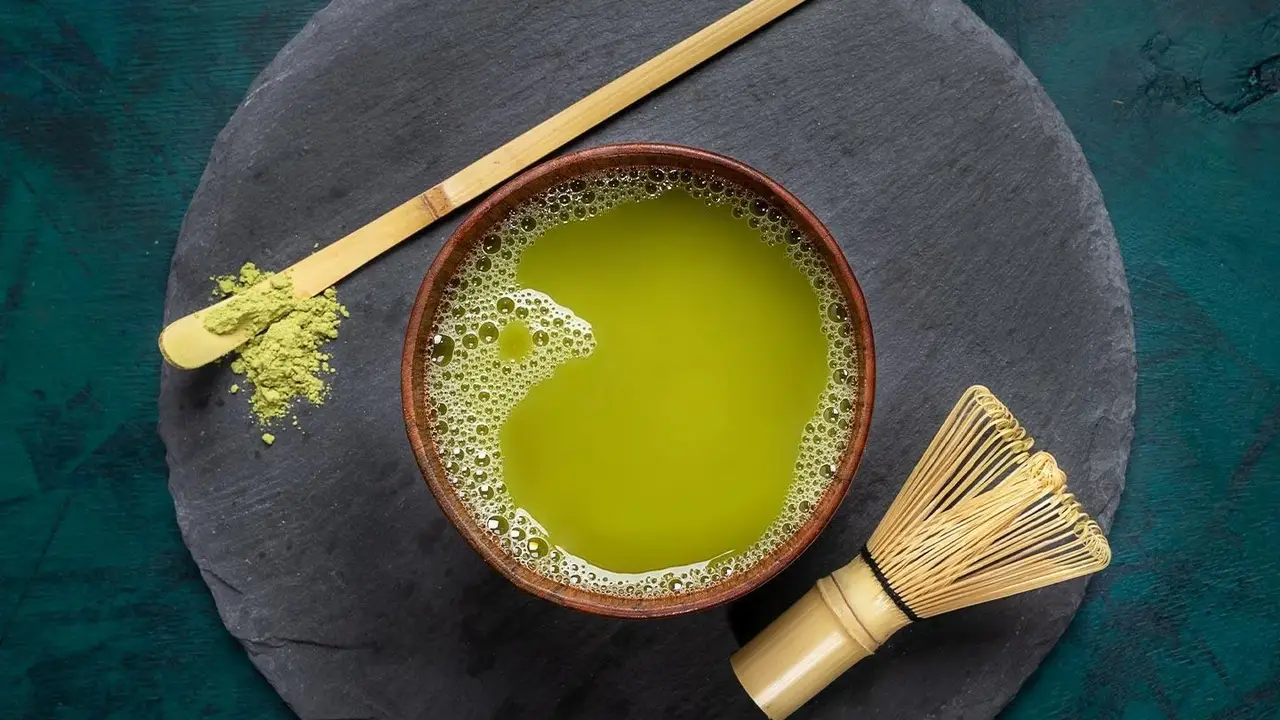
While it may seem like a new invention, matcha has a rich history. Unlike regular green tea, which is made by steeping leaves in water, matcha is a fine powder ground from specially grown tea leaves. For about a month before harvest, the tea plants are covered to block out direct sunlight. This shading process boosts the production of amino acids, including the notable L-theanine, and chlorophyll, which gives matcha its brilliant green colour and a complex, umami flavour that is less bitter than standard green tea. When you consume matcha, you are consuming the entire leaf, which is why it delivers a more concentrated punch of flavour, caffeine, and nutrients.
A Modern Spin on Wellness
Much of matcha's modern appeal lies in its well-documented health benefits, which align perfectly with today's wellness-focused culture. It is packed with antioxidants, but the real star is L-theanine. This amino acid is known for promoting a feeling of “calm alertness.” It works synergistically with the natural caffeine in matcha to provide a sustained energy boost for three to six hours, but without the jitteriness and subsequent crash often associated with coffee. Studies have shown that L-theanine can improve focus, reduce stress and anxiety, and even support better sleep quality, making it a powerful functional ingredient for a generation navigating an overstimulated world.
From Sacred Ritual to Iced Latte
Matcha’s journey from a cornerstone of traditional Japanese tea ceremonies, known as Chanoyu, to a trendy global beverage is a fascinating tale of cultural adaptation. The ceremonial preparation of matcha is a meditative, highly respected art form. Today, that same powder is being whisked into oat milk lattes, blended with fruit purées, and baked into pastries, demonstrating its incredible adaptability. This shift is not a replacement of tradition but an expansion of it. The global matcha market was valued at over USD 5 billion in 2025 and is projected to continue its strong growth, showing how an ancient ingredient can find new life and relevance with a global audience. In a full-circle moment, some unique preparations like the strawberry matcha latte, which gained popularity in America, are now being sold in shops in Japan.
The Perfect Viral Ingredient
So, why has matcha become the definitive flavour of the moment? It’s a perfect storm of factors. First, its striking colour makes it incredibly photogenic and shareable on visual platforms like TikTok and Instagram. Second, it carries a health halo, allowing for an indulgence that still feels virtuous. Finally, its unique flavour profile—earthy, grassy, and slightly sweet—is complex enough to feel sophisticated, yet adaptable enough to be paired with everything from white chocolate to blueberry. It can be premium and ceremonial or casual and fun. This versatility makes it the ideal canvas for the endless experimentation that fuels the viral recipe era, where trends are born from creativity, aesthetics, and a shared desire for the next delicious discovery.