



Combine Dals and Grains
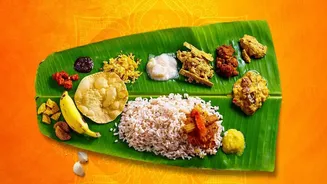
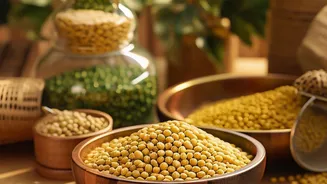
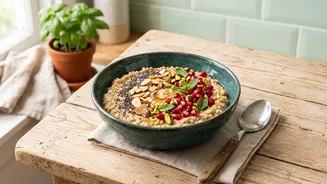
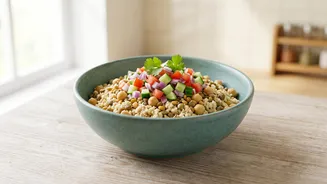
The classic Indian meal of dal with roti or rice is a perfect example of protein pairing. Most plant-based proteins are 'incomplete,' meaning they lack one or more essential amino acids. However, combining a legume like lentils (dal) or chickpeas (chana)
with a grain like rice or whole wheat (roti) creates a complete protein profile, providing all the essential amino acids your body needs. To maximize this benefit, try not to skip the dal with your main meals. Exploring different dals like toor, masoor, moong, and urad can also provide a wider range of nutrients.
Upgrade Your Flour
A simple switch in the kitchen can significantly boost your protein intake. Instead of using only whole wheat flour for your rotis or parathas, try mixing in protein-rich alternatives. Flours like besan (gram flour) and ragi (finger millet) are excellent choices. You can make a classic besan chilla for breakfast or blend these flours into your regular atta. Sattu, a flour made from roasted gram, is another protein powerhouse that can be used to make drinks or stuffed parathas. These additions not only increase protein but also add fibre and other essential nutrients to your diet.
Rethink Your Snacks
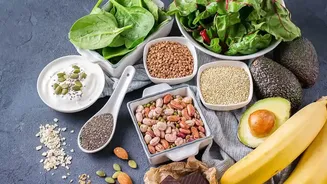
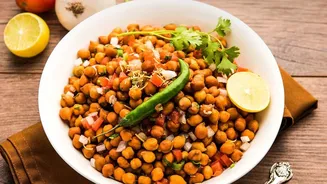
Mid-day hunger often leads to reaching for carb-heavy snacks. Instead, opt for protein-based options to keep you fuller for longer and stabilize your energy levels. A bowl of plain Greek yogurt or hung curd is a fantastic choice, offering nearly double the protein of regular curd. Other great options include a handful of roasted chana, a small portion of paneer tikka, a boiled egg, or a mix of nuts and seeds like almonds and pumpkin seeds. These snacks provide sustained energy without the crash that comes from sugary or fried foods.
Incorporate Paneer, Tofu, and Eggs
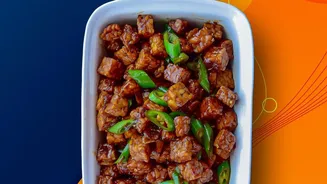
Adding versatile protein sources like paneer, tofu, or eggs to your existing dishes is an easy win. You can crumble paneer into your vegetable sabzi, scramble it for a quick bhurji, or add cubes to pulao. Paneer is a rich source of slow-digesting casein protein, which promotes satiety. For a plant-based alternative, tofu is an excellent option that can be used in stir-fries or curries. If you eat eggs, adding a boiled or scrambled egg to your breakfast or as a side to your lunch thali is one of the simplest ways to add high-quality, complete protein to your day.
Diversify Your Legumes
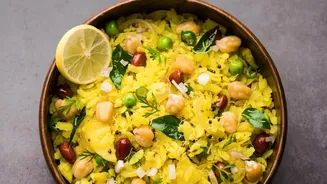
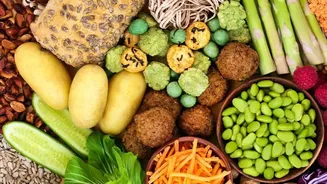
While lentils are a staple, the world of legumes is vast and packed with protein. Make an effort to cook with a wider variety of beans and legumes beyond your usual dal. Dishes like rajma (kidney beans), chana masala (chickpeas), and lobia (black-eyed peas) are not only delicious but also nutritional powerhouses, each offering a unique profile of vitamins and minerals along with substantial protein. Using sprouted legumes, such as sprouted moong, can also enhance nutrient absorption and digestibility. This variety is key to a truly protein-diverse diet.