



This October, the night sky puts on a spectacular show, and you don’t need any fancy equipment to enjoy it. From shooting stars to brilliant planets, here are the celestial events to mark on your calendar and how to spot them from India.
Saturn at Its Brightest
October kicks
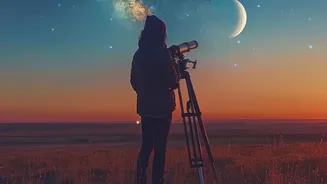
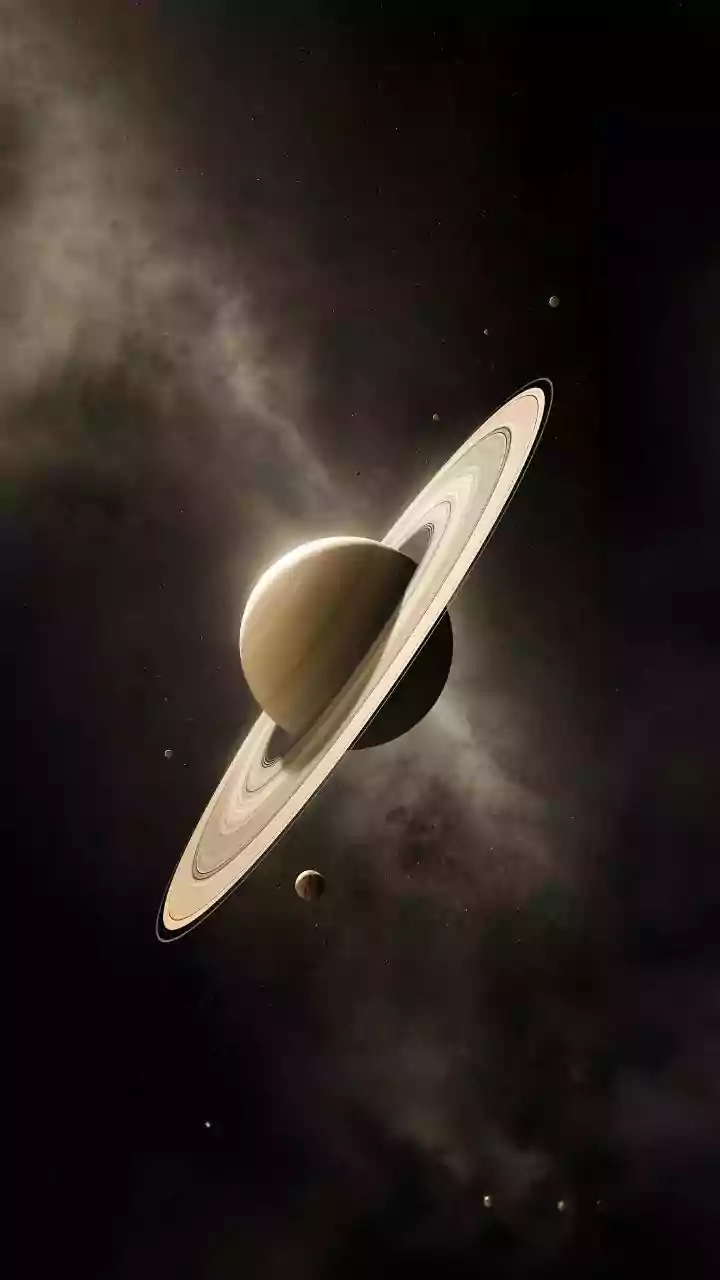
off with a planetary highlight. On October 4, Saturn reaches opposition, meaning it is directly opposite the Sun from our viewpoint on Earth. This alignment makes it one of the best times of the year to see the ringed planet, which will be visible all night long as a bright, steady, yellowish point of light. While you need a telescope to see its famous rings, its brightness makes it a stunning naked-eye object. Look for it rising in the east around sunset and travelling across the sky throughout the night. For the best view, find a spot with a clear eastern horizon on the nights of October 3, 4, and 5.
The Draconid Meteor Shower
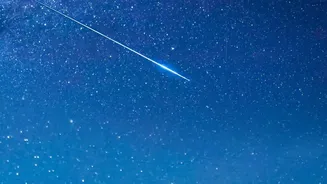
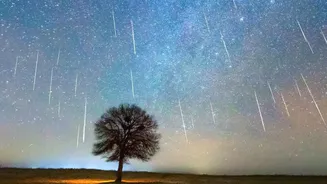
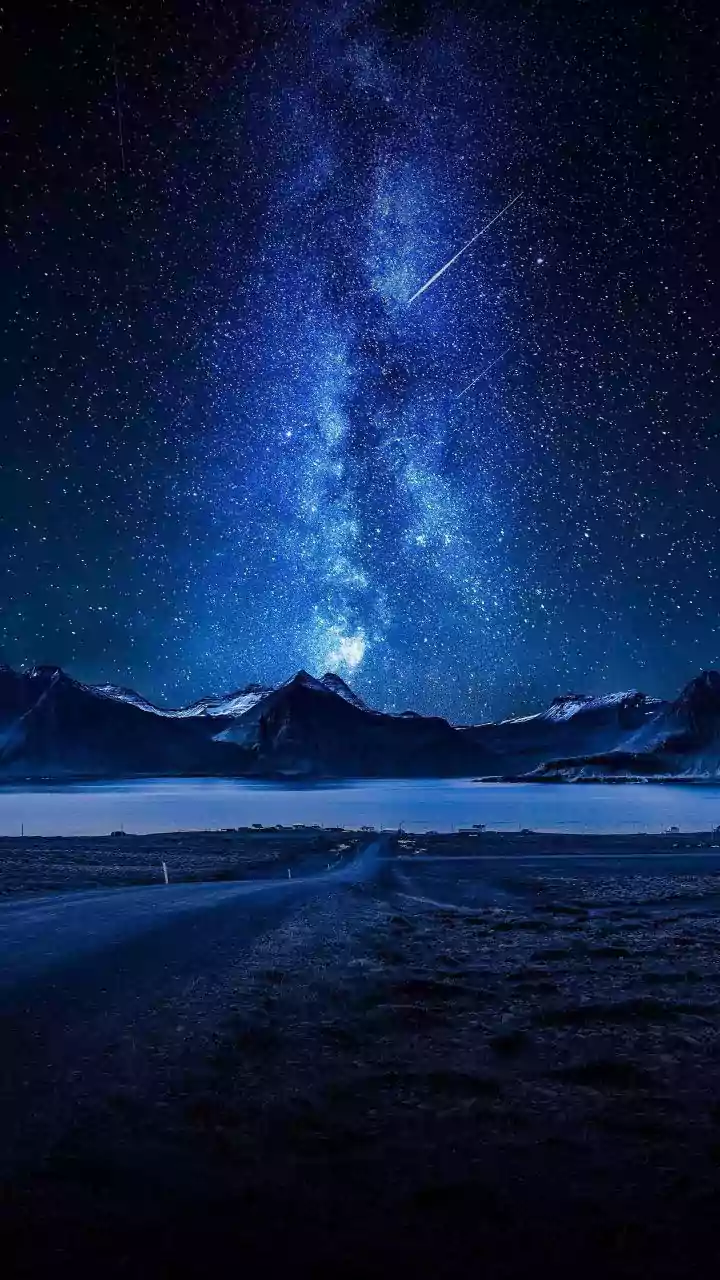
Get ready for some early evening fireworks with the Draconid meteor shower, which peaks on the evening of October 8-9. This is an unusual shower because the best viewing time is just after sunset, not in the pre-dawn hours. The shower originates from debris left by the comet 21P/Giacobini-Zinner. In 2026, viewing conditions are excellent because the new moon on October 10 means the sky will be dark. While typically a modest shower producing around 10 meteors per hour, the Draconids are known for occasional outbursts, so it's worth looking up. Find a dark spot, look toward the northwest after twilight, and be patient.
The Orionid Meteor Shower
The second meteor shower of the month, the Orionids, peaks on the night of October 21-22. These meteors are fragments of the famous Halley's Comet and are known for being fast and bright, sometimes leaving persistent trails. You can expect to see up to 20 meteors per hour under ideal dark-sky conditions. The shower's radiant point is in the constellation Orion, but the meteors can appear anywhere in the sky. This year, a bright waxing gibbous moon will be present for part of the night. For the best chance of spotting meteors, head out in the hours before dawn, after the moon has set. In Chennai, for instance, the moon sets around 2:22 am, creating a good viewing window until dawn.
The Hunter's Full Moon
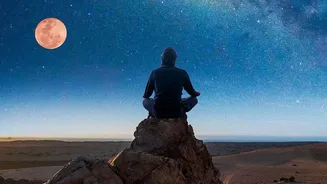
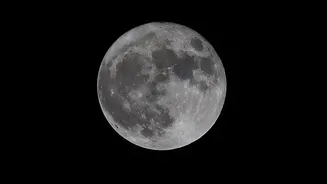
October's full moon, traditionally known as the Hunter's Moon, will reach its peak illumination on October 26. In India, this occurs during the daytime, so the best time to watch is on the evening of October 25 as the moon rises. A full moon rising on the eastern horizon close to sunset is one of the most beautiful sights in nature, often appearing large and tinted with a warm orange or reddish hue. This is an optical effect called the Moon Illusion. No telescope is needed for this event; simply find a location with an unobstructed view of the eastern horizon around sunset and watch the spectacle unfold.
Tips for the Best Viewing Experience
To make the most of these celestial events, a little preparation goes a long way. First, get away from city lights. Light pollution washes out all but the brightest objects, so find a rural spot, a park, or a high-altitude location for the best views. Second, give your eyes time to adjust. It takes about 20-30 minutes for your eyes to fully adapt to the darkness, so avoid looking at your phone screen. Using a red-light torch can help you navigate without ruining your night vision. Finally, be comfortable. Bring a blanket or a reclining chair, dress in layers as nights can get cold, and have some patience. The universe will put on a show.