








The Rise of the Shoulder Season
For years, the travel calendar for most Indians was dictated by school holidays and major festivals. This created intense, concentrated peaks of travel, leading to crowded destinations, inflated prices, and frantic itineraries. Now, a growing number of savvy
Indian travellers are embracing what the industry calls the 'shoulder season'—the months just before or after a destination's peak period. According to a 2026 report from Booking.com, nearly 45% of Indian travellers now prefer visiting during off-peak periods. This isn't just a niche trend; it's a fundamental shift, moving from a fixed holiday schedule to a more flexible and strategic approach to seeing the world. This change suggests a maturing travel mindset, where the 'when' is becoming just as important as the 'where'.
Why Travellers Are Ditching the Crowds
Several factors are driving this exodus from peak-season travel. The most significant is the desire to avoid crowds. Reports indicate that over 70% of those opting for off-peak travel do so to escape the long queues and packed attractions that have come to define popular tourist spots. Cost is another major motivator. Flights, hotels, and tours can be significantly cheaper during the shoulder months, a key consideration for the 62% of Indian travellers who actively seek economical accommodations. Beyond the practical benefits, there's a growing desire for more authentic experiences. With fewer tourists, travellers find it easier to connect with local culture and enjoy more personalized service. The rise of remote and flexible work schedules has also empowered a new generation of professionals to travel without being tethered to a traditional holiday calendar, further fuelling this trend.
Europe's Autumn and Spring Appeal
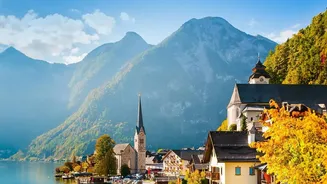
Europe, a perennial favourite for Indian tourists, is seeing a significant benefit from this shift. Instead of battling the summer crowds in July and August, travellers are discovering the charm of a European spring (April-June) or autumn (September-October). These months offer a sweet spot of pleasant weather, manageable crowds, and lower prices. September, in particular, is emerging as a prime month for visiting countries like Italy and France, where the summer heat has subsided, but the holiday atmosphere remains. Destinations in Eastern Europe, Central Asia, and the Caucasus are also gaining popularity, offering novel experiences for Indians looking beyond the usual London-Paris-Rome circuit. This dispersal of tourism helps alleviate the strain on popular cities during the summer and provides a more stable, year-round income for local economies.
Asia's New Travel Windows
The trend extends closer to home, with many Southeast Asian destinations benefiting from Indian travellers exploring new travel windows. While monsoons once made August a low season in places like Thailand and Vietnam, savvy travellers now see it as an opportunity for budget-friendly trips, with hotels sometimes costing half their peak-season price. These 'green season' trips offer a different perspective, with lush landscapes and fewer tourists. The focus is shifting from just beach-hopping to deeper cultural immersion. Japan is also experiencing a surge in interest outside the famous cherry blossom season, with travellers exploring different regions and seasons. This willingness to explore Asia during its 'off' periods is a win for destinations, allowing them to showcase their year-round appeal and build a more resilient tourism model.
A Smarter, More Sustainable Way to Travel
Ultimately, the move towards shoulder season travel is a win-win. Travellers get better value for their money, enjoy a more relaxed and authentic experience, and avoid the stress of over-tourism. For destinations in Europe and Asia, it means a more evenly distributed flow of tourists throughout the year. This reduces the pressure on infrastructure during peak months and supports local businesses during what were once quiet periods. It also aligns with a growing interest in sustainable tourism, as 55% of Indian travellers who travel off-peak say they want to decrease the pressure on popular destinations. As the Indian outbound tourism market continues its explosive growth, projected to be valued at over USD 23 billion in 2026, this shift towards smarter, more conscious travel is not just a trend—it's the future.