







The Push for a Solar Workforce
To meet the demand of its rapidly expanding solar sector, India is seeing focused efforts to develop a skilled workforce. One recent example is the India-Australia Rooftop Solar Training Academy, which aims to train 2,000 solar technicians and helpers
in its first two years alone. This initiative supports the government's flagship 'PM Surya Ghar: Muft Bijli Yojana' by creating the necessary talent pool to accelerate rooftop solar adoption. It's part of a broader strategy that includes long-standing national efforts like the Suryamitra Skill Development Programme, run by the Ministry of New and Renewable Energy (MNRE). Since 2015, the Suryamitra program has trained over 51,000 individuals, known as 'Suryamitras' (friends of the sun), to install, commission, and maintain solar projects across the country.
What Does a Solar Worker Actually Do?
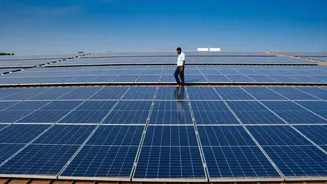
The term 'solar worker' covers a range of practical, hands-on roles crucial for the industry's growth. The most common is the Solar Photovoltaic (PV) Installer or Technician. These are the professionals responsible for the physical setup of solar energy systems. Their day-to-day tasks involve assessing sites to determine the best panel placement, mounting the panels on rooftops or ground structures, and handling all the electrical wiring and connections. Beyond installation, solar workers also perform operations and maintenance (O&M), which includes testing system components, troubleshooting issues, and carrying out regular repairs to ensure the plant functions efficiently. Other roles include site supervisors, quality inspectors, and technicians specializing in solar water pumps, known as 'Varunmitras'.
The Skills Powering the Green Transition
Becoming a solar technician requires a specific blend of technical knowledge and practical skills. A foundational understanding of electrical systems, wiring, and safety protocols is non-negotiable. Training programs like Suryamitra, which are often free and residential, typically require a minimum qualification of 10th Pass plus an ITI certificate in a relevant trade like electrician, wireman, or electronics. The curriculum spans about 600 hours over three months, covering classroom theory, lab practicals, and on-the-job training at actual solar plants. Beyond technical expertise, workers need strong problem-solving abilities to troubleshoot system faults, physical fitness for fieldwork, and good communication skills for collaborating with team members and clients.
India's Soaring Demand for Green Jobs
The drive to train solar workers is a direct response to India’s massive clean energy ambitions. The country is targeting 500 GW of non-fossil fuel energy capacity by 2030, with solar power being a central pillar of this strategy. This expansion is projected to create a huge number of jobs. Recent studies estimate that the clean energy sector could generate over 4.4 million jobs by 2030, with rooftop solar expected to be the single largest employment engine. As of early 2026, India's renewable energy sector was already a major employment generator, with solar and wind installations driving strong job growth. This demand is not just for engineers but for a large-scale vocational workforce to handle the practical tasks of installation and maintenance across countless new projects, from large solar farms to individual rooftop systems.
Building a Career Under the Sun
A job in the solar industry offers a promising career path in a growing sector. For an entry-level solar technician or installer, annual salaries typically range from ₹2.5 lakh to ₹5 lakh, depending on location, company size, and project complexity. With a few years of experience, a technician can advance to a site engineer or team supervisor role, earning between ₹5 lakh and ₹8 lakh annually. These skilling programs also aim to foster entrepreneurship, preparing candidates to start their own solar installation businesses. As India continues its structural shift towards renewable energy, these hands-on jobs represent not just employment, but a stable and long-term career in an industry that is fundamental to the country's future.