







The Modern Kitchen Dilemma
For generations, culinary skills in India were passed down organically. Children learned by watching their parents and grandparents, absorbing the intuitive art of cooking that relied on patience, tradition, and sensory cues. These heirloom recipes—be
it a grandmother's secret masala blend or a father's perfectly spiced biryani—are more than just instructions; they are threads of family history and culture. However, modern life, with its demanding schedules, has strained this tradition. Many busy professionals and young families find themselves with little time or energy for the labour-intensive process of traditional Indian cooking. The unfortunate result is that precious family recipes risk becoming forgotten memories, replaced by the convenience of takeaways and quick meals. This creates a cultural gap, where the desire to connect with culinary roots is strong, but the practical means are limited.
What Exactly Is Assisted Cooking?
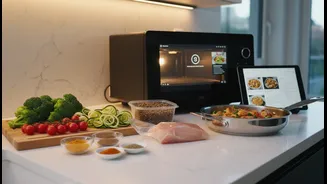
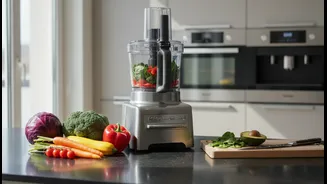
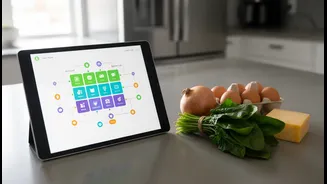
Enter assisted cooking, a term for a new generation of smart kitchen technology designed to simplify and guide the cooking process. This isn't about robots taking over the kitchen entirely. Instead, think of it as having a digital sous-chef. The ecosystem includes AI-powered multicookers, smart air fryers, and intelligent ovens connected to apps on your phone. These devices often feature large touchscreens with step-by-step guided recipes. They can automate tedious tasks like chopping, stirring, and kneading, while precisely controlling temperature and cooking times to ensure consistent results every time. For example, an AI cooking assistant can guide you through a complex recipe, handling the stirring automatically, so you don't have to hover over the stove.
Precision Meets Cherished Tradition
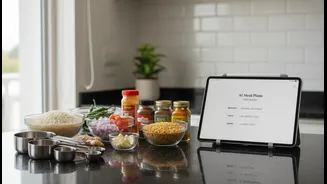
A common concern is whether a machine can truly replicate the nuanced flavours of a dish perfected over generations. The magic of assisted cooking lies in its ability to combine precision with traditional methods. Many heirloom recipes rely on specific techniques—like getting the tadka just right or slow-cooking a dal for hours. Smart appliances can be programmed to execute these steps flawlessly. Advanced sensors can monitor and adjust heat with far more accuracy than a manual stove, ensuring that spices are tempered without burning and stews are cooked to the perfect consistency. Some platforms even allow you to digitize your own family recipes. By inputting the steps, ingredients, and even audio or video notes, you can create a digital cookbook that not only preserves the instructions but also the stories behind them, making the tradition accessible to younger generations.
Reducing Labour, Not Love
The most immediate benefit of assisted cooking is the significant reduction in daily labour. These technologies are designed to save time and reduce the mental load associated with planning and executing meals. Automated functions mean you can multitask, helping children with homework or relaxing with family, while dinner cooks safely and correctly. For those new to cooking, guided recipes remove the intimidation factor, providing the confidence to try complex dishes. Furthermore, appliances like smart air fryers offer healthier ways to enjoy traditional snacks like samosas and pakoras, using up to 90% less oil. This blend of convenience, health, and efficiency is making smart kitchen technology an increasingly essential tool in modern Indian homes, not as a replacement for the love of cooking, but as an enabler of it.