



The Unique Charm of Brass
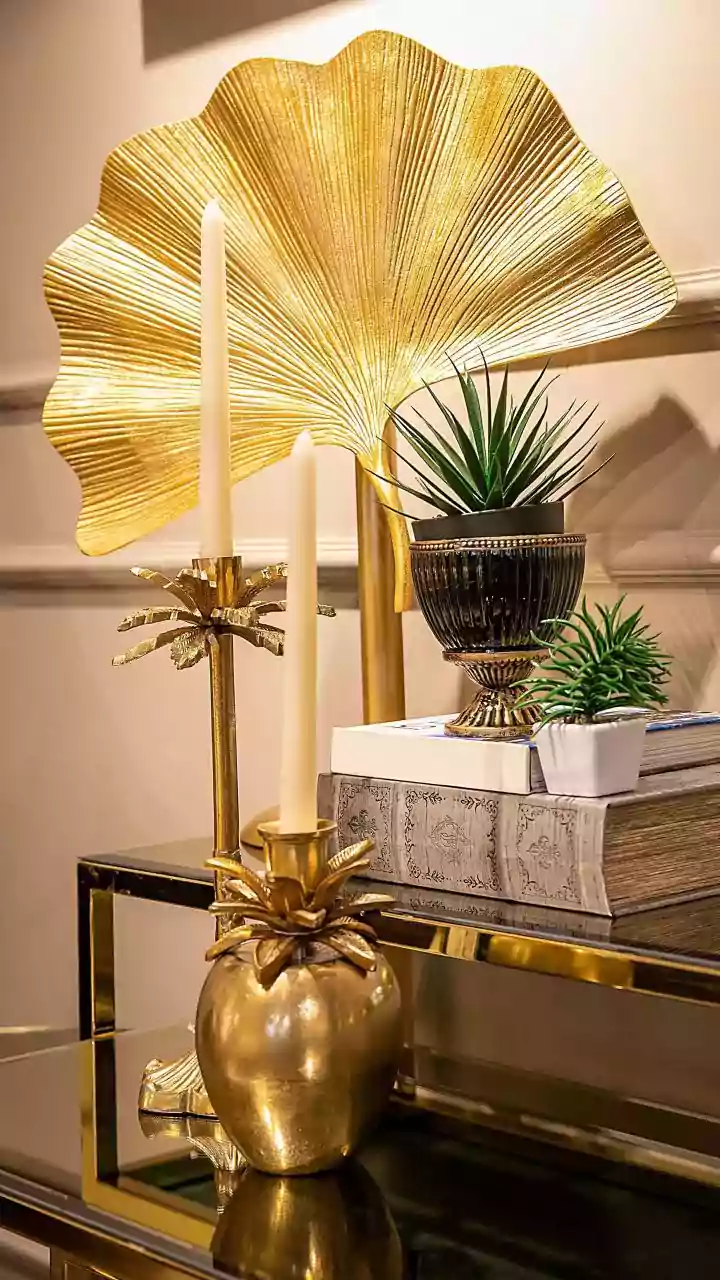
There’s a reason brass has been a beloved material in Indian households for centuries. Its warm, golden glow adds a touch of understated luxury and heritage to any space. Unlike modern ceramic or plastic pots, vintage brass tells a story. Each dent, patina
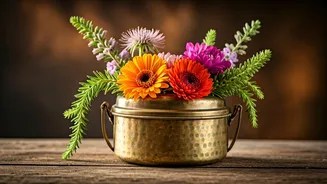
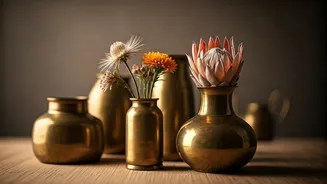
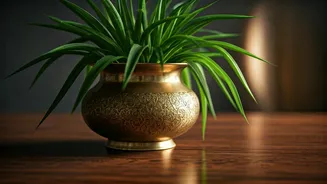
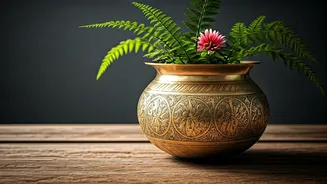
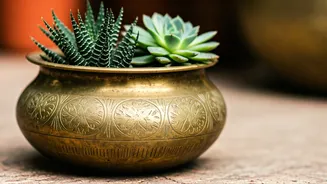
spot, and handcrafted detail speaks of a past life. When you repurpose an old brass vessel as a planter, you’re not just adding greenery to your home; you’re weaving a piece of history into your contemporary decor. The contrast between the gleaming, aged metal and the fresh, vibrant life of a plant creates a striking visual that is both rustic and elegant. This trend taps into a growing desire for sustainable living, encouraging us to find beauty in old objects rather than discarding them.
Finding Your Perfect Vessel
The hunt is part of the fun. Start by looking in your own home, in your parents’ or grandparents’ storage. Classic items like a *lota* (water pot), *kindi* (spouted pitcher), or a wide, shallow *urli* make fantastic planters. Don’t overlook old tiffin carriers, which can be used to hold multiple small plants, or even brass tumblers and bowls. When scouring flea markets or antique shops, check for integrity. A few dents add character, but avoid pieces with major cracks or holes unless you plan to use them for succulents that require minimal water. The weight of the vessel is also a good indicator of quality—heavier pieces are generally older and made of purer brass. Think about scale: a small tumbler is perfect for a desk succulent, while a large urli can become a magnificent centrepiece.
The Prep Work: To Polish or Preserve?
Before you introduce a plant, you need to prepare your vessel. First, give it a thorough cleaning with gentle soap and water to remove decades of dust and grime. Then comes the big decision: do you polish it to a high shine or preserve the natural patina? A high shine offers a glamorous, celebratory look. You can achieve this with common household ingredients like a paste of tamarind pulp and salt, or lemon juice and baking soda. Rub the paste on, let it sit for a few minutes, and then buff with a soft cloth. On the other hand, preserving the dark, moody patina gives the vessel an authentic, antique feel. If you choose this route, a simple wash is all you need. The choice is purely aesthetic and depends on the look you’re going for in your space.
The Drainage Dilemma
This is the most critical step for plant health. Most plants die from overwatering and root rot, which is caused by a lack of drainage. Brass vessels, obviously, don’t come with drainage holes. You have two main options. The easiest and safest method is to use your brass vessel as a decorative 'cachepot'. Simply keep your plant in its original plastic nursery pot (which has drainage holes) and place it inside the brass container. When you water the plant, remove the inner pot, let it drain completely in a sink, and then place it back. This protects both your plant and the integrity of your vintage vessel. The more advanced option is to drill drainage holes. This is permanent and requires a bit of DIY skill. You’ll need a power drill and a cobalt or titanium-coated drill bit designed for metal. Place a piece of wood inside the vessel for support, mark your spot, and drill slowly and firmly. This method is best for those who are confident with tools and want to plant directly into the brass.
Pairing Plants with Brass
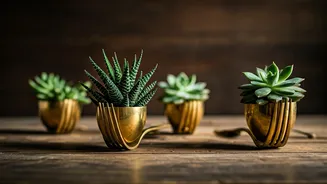
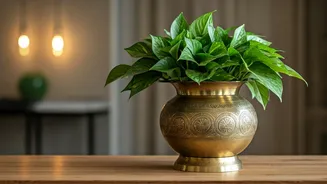
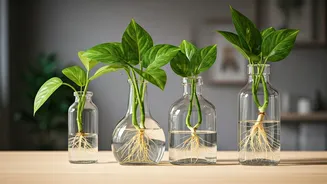
Not all plants are created equal when it comes to brass planters. The warm tones of the metal pair beautifully with deep green foliage. Plants with a trailing or cascading habit, like money plants (Pothos), string of pearls, or English ivy, look fantastic spilling over the sides of a lota or tumbler. For wider urlis, consider creating a mini-landscape with succulents and cacti, which also have the benefit of requiring less water, reducing the risk of water logging. Snake plants, with their upright, architectural leaves, create a dramatic contrast in a simple, elegant brass pot. Given that brass is a copper alloy, and high levels of copper can be toxic to some plants over time, using the cachepot method with a plastic liner is always the safest bet for the long-term health of your green friends.