



Understanding Your Inner Clock
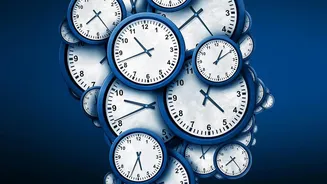
Everyone operates on an internal 24-hour clock known as a circadian rhythm. This biological clock dictates our natural preference for waking up and going to sleep. This preference is called your 'chronotype'. If you're someone who naturally feels tired
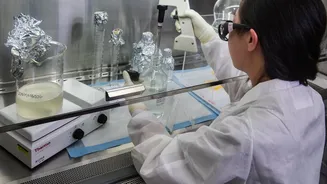
early in the evening and is most alert in the morning, you're a 'morning lark'. If you struggle to get up early and hit your stride later in the day, you're likely an 'evening-type' or a 'night owl'. While often seen as a simple personality quirk, your chronotype is partly genetic and has a significant influence on your body's functions, including hormone release, metabolism, and, as studies now show, inflammation.
The Link Between Late Nights and Inflammation
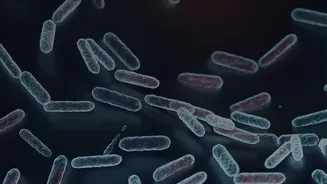
Recent scientific studies have drawn a clear line connecting an evening chronotype to higher levels of certain inflammatory markers in the body. Specifically, night owls tend to show elevated levels of substances like C-reactive protein (CRP) and Interleukin-6 (IL-6). These are proteins that the body produces in response to inflammation. Think of them as the body's internal alarm bells. While a short-term inflammatory response is a healthy and necessary part of healing from injury or fighting infection, chronic low-grade inflammation is a different story. It’s a persistent, simmering state of alert that can damage healthy cells and tissues over time.
Why Chronic Inflammation Is a Concern
This persistent state of low-grade inflammation is not something you can feel in the same way you'd feel a swollen ankle. Instead, it works quietly in the background and is considered a major contributing factor to a wide range of serious health conditions. Elevated levels of inflammatory markers like IL-6 and CRP are associated with an increased risk of cardiovascular diseases like heart attack and stroke, Type 2 diabetes, and even certain types of cancer and cognitive decline. The link isn't just about sleep patterns; it's about the downstream effects of a body that is in a constant, low-level state of emergency.
The Problem of 'Social Jetlag'
So why do night owls have this higher inflammation? A leading theory points to a phenomenon called 'social jetlag'. This describes the mismatch between a person's natural sleep-wake cycle and the demands of a typical 9-to-5 society. A night owl might naturally want to sleep from 2 a.m. to 10 a.m., but work or school forces them to wake up at 7 a.m. This creates a chronic sleep debt during the week, which they might try to 'correct' by sleeping in on weekends. This constant shifting of sleep schedules is stressful for the body and is believed to trigger the inflammatory response. It's like flying across time zones every weekend without ever leaving home. This misalignment also influences behaviour, as night owls are more likely to eat later at night, which can further disrupt metabolism and contribute to health risks.
What Can Night Owls Do?
The research isn't a verdict that all night owls are destined for poor health. Rather, it's a call for awareness and proactive management. Forcing a true night owl to become a morning person is often unrealistic, but small adjustments can make a big difference. The key is consistency. Try to keep sleep and wake times as stable as possible, even on weekends, to minimize social jetlag. Exposing yourself to bright, natural light soon after waking can help adjust your body clock. Similarly, limiting bright lights and screens in the hours before your desired bedtime can help signal to your body that it's time to wind down. Establishing simple, consistent routines around meals and exercise can also help regulate your internal rhythms and improve overall health.