







A Conclave in India's Space City
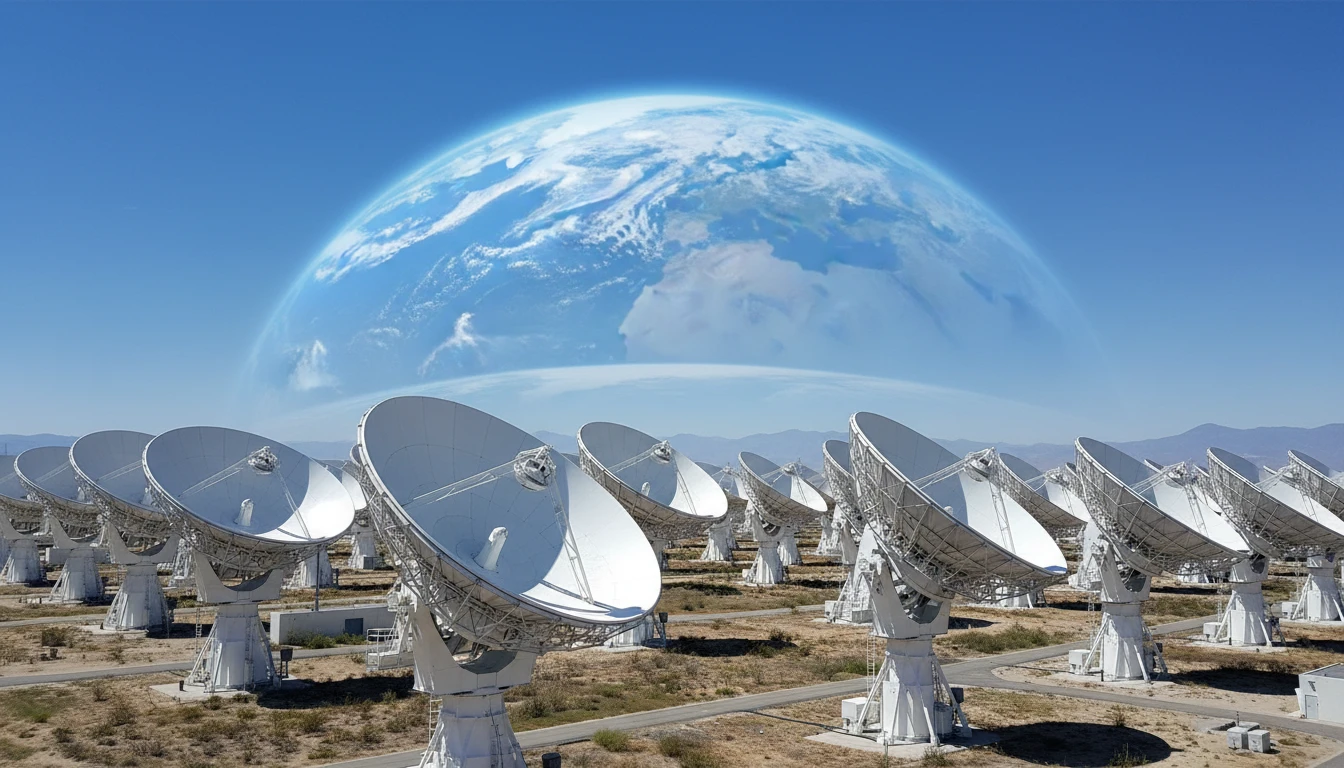
Bengaluru, India's hub for space exploration and technology, recently played host to the Heads of Space Agencies from the BRICS nations. The two-day meeting, hosted by the Indian Space Research Organisation (ISRO), brought together representatives from Brazil,
Russia, India, China, South Africa, and new members like Egypt, Ethiopia, Iran, and the United Arab Emirates. The primary agenda was to strengthen cooperation in using space-based assets to tackle pressing global challenges, with a significant focus on climate change and disaster management. Discussions revolved around enhancing the BRICS Remote Sensing Satellite Constellation, a powerful tool for monitoring our planet.
From Orbit to an Early Warning
So, how can a satellite hundreds of kilometres above Earth help a farmer or a city planner? The answer lies in remote sensing. Satellites equipped with advanced sensors can monitor a vast range of environmental indicators with incredible precision. They can track the melting of glaciers, measure the depletion of groundwater, detect changes in forest cover, and monitor the health of crops. This constant stream of data provides a near real-time check-up on the planet's health. For nations grappling with the effects of climate change, this information is invaluable, offering the ability to foresee disasters like floods and droughts and to manage natural resources more effectively.
The BRICS Satellite Constellation
The centrepiece of this collaboration is the BRICS Remote Sensing Satellite Constellation Agreement, first signed in 2021. This agreement created a virtual constellation by pooling data from existing satellites of member nations, including India's Resourcesat-2 and 2A. The goal is to have a mechanism for sharing data to help with environmental protection, disaster prevention, and climate change mitigation. The Bengaluru meeting aimed to build on this framework, discussing amendments to include new BRICS members and formalising the structure through a proposed BRICS Space Council. This cooperative approach avoids the massive cost of each nation launching its own complete satellite network and significantly enhances the frequency and quality of data available to all.
India's Leadership and 'Space Economy'
Hosting the meeting underscores India's prominent role in the global space sector. ISRO's achievements, from the Chandrayaan-3 lunar mission to its robust Earth observation capabilities, position it as a key player in this international alliance. During the conclave, India championed the idea of a “BRICS Space Economy,” a framework to foster joint innovation and co-development. The event also showcased India's burgeoning private space ecosystem, with startups and industries presenting their capabilities in launch services, satellite tech, and geospatial intelligence to the international delegates. This aligns with a broader vision of moving from mere coordination to active co-creation among BRICS nations in the space domain.
Practical Adaptation on the Ground
The ultimate objective of this high-level diplomacy is practical and people-centric. The shared satellite data can lead to tangible benefits. For agriculture, it can inform precision farming, helping to optimise water usage and improve crop yields. In disaster management, it provides early warnings for cyclones and floods, allowing for timely evacuations and better-prepared response efforts. For urban planners, it helps monitor air and water pollution and manage the impact of urban heat islands. By connecting space technology with these ground-level applications, the BRICS initiative moves beyond simply observing climate change to actively building resilience against its impacts.