
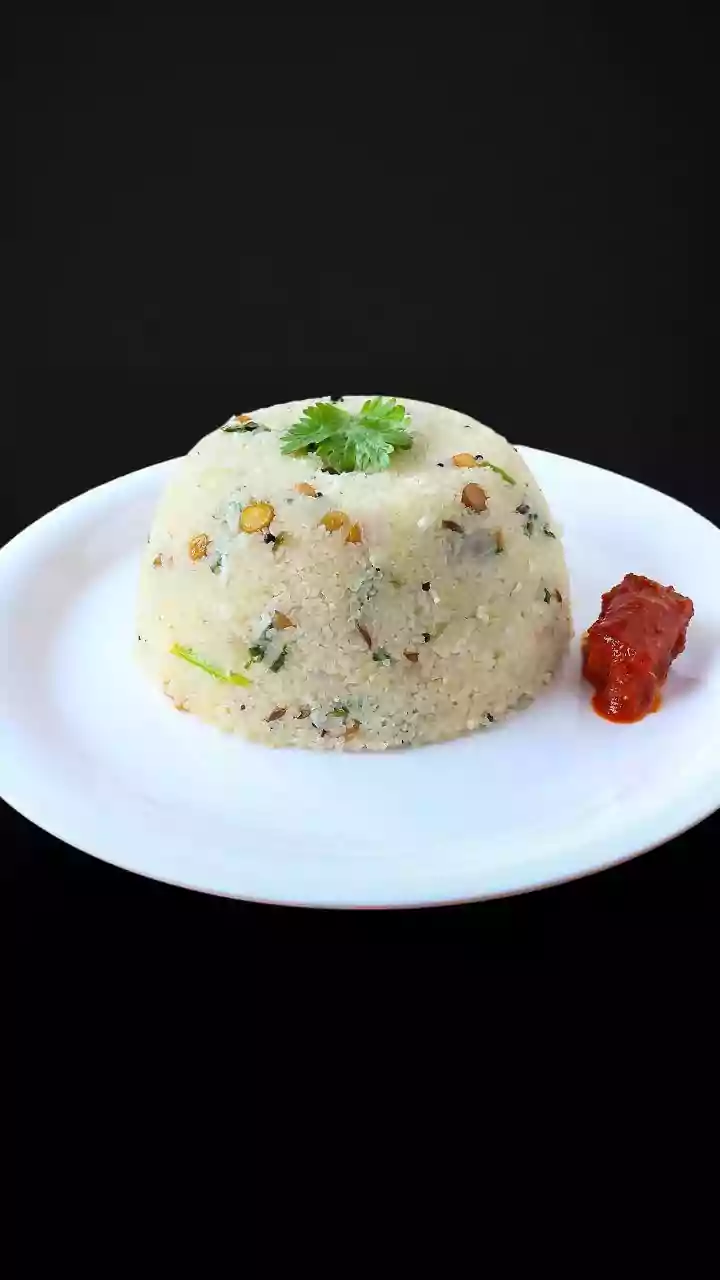
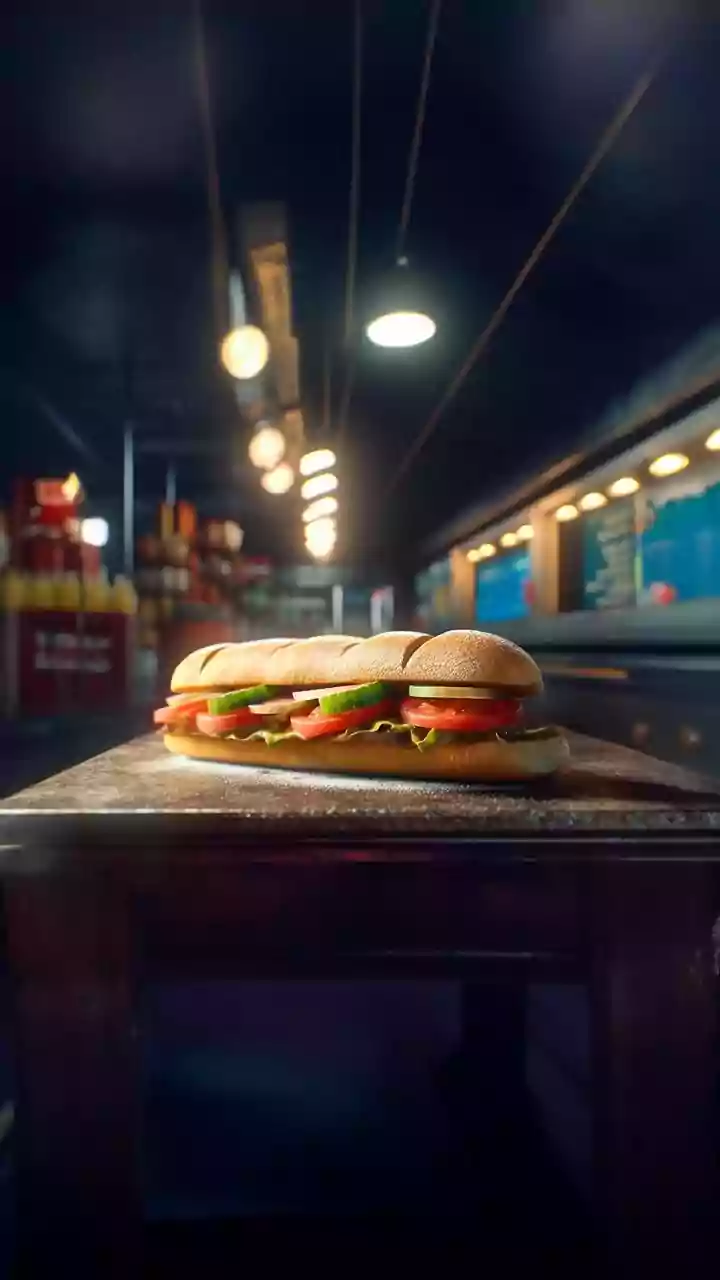


The Camera Eats First
The phrase "the camera eats first" has become a global phenomenon, and it perfectly captures the shift in dining culture. For a significant number of young patrons, the visual appeal of a dish is now as crucial as its taste. Restaurants in India and abroad
are no longer just in the food business; they're in the content business. Before visiting a new spot, many young Indians will first check the restaurant's Instagram page, not just for the menu, but for the 'vibe' and to see what the dishes look like in photos shared by other customers. This creates a powerful feedback loop: diners post photos of beautiful food, which drives more diners to the restaurant seeking the same photogenic experience.
Deconstructing the 'Gram-Worthy Dish
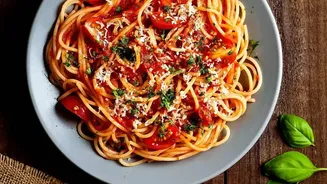
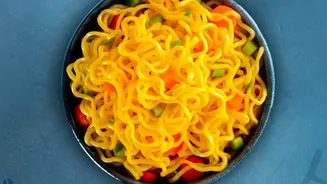
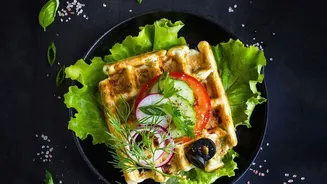
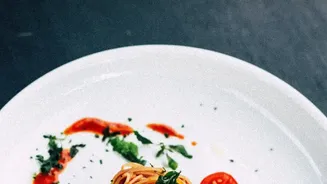
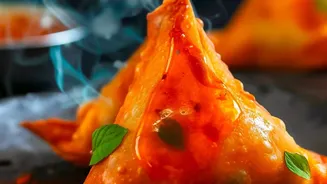
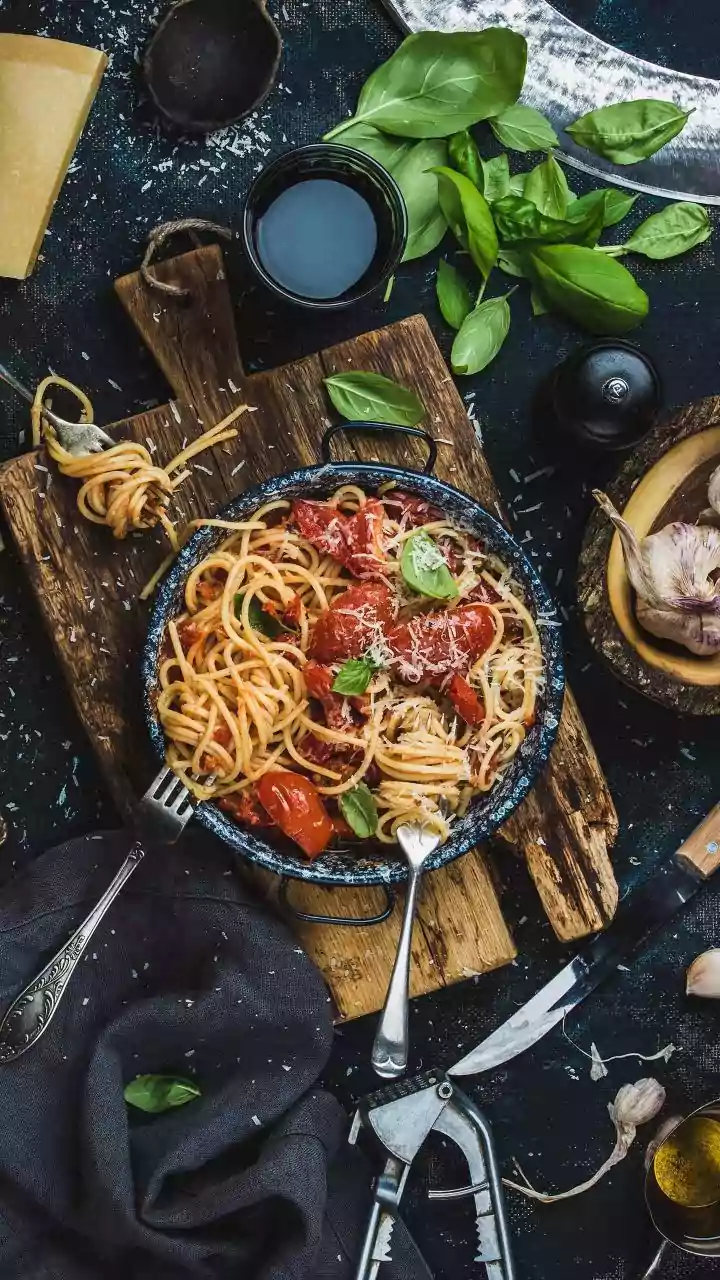
So, what makes a dish 'Instagrammable'? It’s a science and an art. Key elements include vibrant, contrasting colours—think bright chutneys, colourful tribal recipes, or the dark allure of activated charcoal in 'goth' food. Height and texture are also critical; dishes are built upwards, and components with interesting textures like crispy, bubbling, or dripping elements are favoured. Exotic or unique ingredients, such as kokum, gondhoraj lemon, or bhut jolokia chillies, not only add a unique flavour story but also generate curiosity online. Some restaurants even introduce interactive elements, like a biryani pot opened at the table or a dessert with a dramatic smoke effect, creating a moment designed to be captured and shared.
The TikTok Effect: Food in Motion
While Instagram rewards a beautiful static photo, platforms like TikTok and Reels have introduced the need for 'food in motion'. The focus has shifted to dynamic, satisfying actions. This includes the ridiculously long 'cheese pull' on a pizza or sandwich, the slow-motion drip of a sauce, or the crackle of a perfectly crisp crust. These short, engaging videos have driven massive trends, from Dalgona coffee to birria tacos. For restaurants, this means thinking about how a dish will perform on video. It’s no longer enough for it to just sit there and look pretty; it has to do something.
The Chef's Creative Dilemma
This trend presents a complex challenge for chefs. On one hand, user-generated content is free and powerful marketing. A single viral post can fill a restaurant for weeks. On the other hand, it can feel creatively stifling, forcing chefs to prioritise visual gimmicks over flavour and culinary integrity. The pressure is on to create dishes that look spectacular, even if they are impractical to eat or if the taste is secondary to the visual shock value. Some chefs have embraced the role of 'chef-creator', building personal brands online, while others quietly resent the demand to design food for a phone screen rather than a palate. This has led to a debate within the industry about authenticity versus commercial appeal.
Beyond the Plate Itself
The influence of social media extends far beyond the menu. Restaurants are now being designed with the amateur photographer in mind. This means paying close attention to lighting to ensure photos look good without a harsh flash. Decor choices, from feature walls to unique tableware, are made to create appealing backdrops for food photos. Even the seating layout can be optimised to make shooting content easier for diners. The entire restaurant environment is becoming a stage, and every diner with a smartphone is a potential marketer. This shift has turned dining into a multi-sensory experience where the visual journey is documented and shared long after the meal is over.