





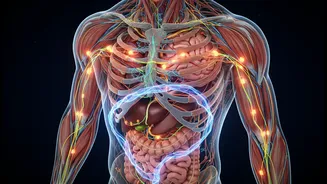



The Simple Science of a Post-Meal Stroll
The magic of the post-meal walk lies in its timing. After you eat, your blood sugar levels naturally rise as your body breaks down food into glucose. By moving your body shortly after a meal, you encourage your muscles to soak up this glucose for energy.
This simple action helps prevent sharp spikes and crashes in blood sugar, which is beneficial for everyone, but particularly crucial for individuals managing diabetes or prediabetes. Studies show that even a walk as short as two to five minutes can start to lower blood sugar levels. This gentle, low-impact exercise also stimulates the stomach and intestines, helping food move through your digestive system more quickly and reducing uncomfortable symptoms like bloating and gas.
More Than Just Digestion
While better digestion and blood sugar control are headline benefits, the good news doesn't stop there. Regular post-meal walks contribute to better heart health by improving circulation and helping to regulate blood pressure over time. This habit can also support weight management goals. While a single walk isn't a silver bullet for weight loss, the consistency of moving after every meal adds up, boosting your metabolism and overall daily calorie burn. Furthermore, the mental health benefits are significant. A short walk can help clear your head, reduce stress hormones like cortisol, and boost your mood, making it a perfect way to decompress after a meal.
How to Build the Habit
The key to making post-meal walks a permanent fixture is to start small and connect the new habit to your existing routine—the “daily anchor” of finishing a meal. Don't aim for a 45-minute power walk on day one. Instead, try a simple five or ten-minute stroll around your block right after you finish lunch or dinner. Research suggests that three separate 10-minute walks after meals can be even more effective for blood sugar control than one 30-minute walk. The best time to start is within 15 to 30 minutes of finishing your meal, as this is when blood sugar begins to rise. To make it stick, find an accountability partner, like a family member or coworker, or simply put your walking shoes by the door as a visual reminder.
Answering Your Practical Questions
How long and how fast should you walk? For benefits like blood sugar control and digestion, a 10 to 15-minute walk at a gentle, comfortable pace is highly effective. You should be able to hold a conversation easily. Pushing yourself too hard with high-intensity exercise right after eating can sometimes cause discomfort or nausea. If you're worried about feeling sick, start by waiting 10-15 minutes after you finish eating before you head out. And what if the weather is bad? A walk around a shopping mall, a large office building, or even repeated laps in your living room can provide the same benefits. The goal is gentle movement, not a strenuous workout. Any activity that gets you upright and moving counts.