



A Seasonal Shift in Plants
The end of monsoon signals a change in your garden's cast. Plants that thrived in high humidity may now struggle. It's time to inspect your current plants for any signs of root rot from the excessive rain and prune any damaged or yellowing leaves to encourage
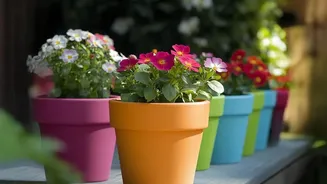
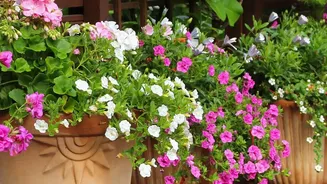
fresh growth. Now is the perfect time to introduce winter-flowering plants that relish the cooler, drier air. Consider adding vibrant blooms like Marigold (Genda), Petunia, Pansy, Dianthus, and Chrysanthemum (Guldaudi). These varieties flourish in the pleasant Indian winter and will transform your balcony into a colourful haven. For those who enjoy edibles, this is also an excellent time to plant winter vegetables like spinach, tomatoes, and methi in pots.
Rethinking Your Watering Routine
Overwatering is one of the biggest mistakes after the monsoon. During the rains, the air is humid and the soil stays moist for days. As winter approaches, the temperature drops and evaporation slows, meaning your plants need significantly less water. Instead of watering on a fixed schedule, adopt the 'finger test': insert your finger one to two inches into the soil. If it feels dry, it's time to water; if it's moist, wait another day. Conversely, as summer arrives, the intense sun will dry out pots quickly, often requiring daily or even twice-daily watering. Always water deeply, allowing excess to drain out, rather than giving frequent, shallow sprinkles.
Chasing (or Shielding from) the Sun
The sun's path and intensity change dramatically with the seasons. A balcony spot that was in partial shade during the monsoon might receive full sun in the winter. Observe your balcony's new sunlight pattern. Winter-blooming flowers like Petunias and Marigolds will need at least 4-6 hours of sunlight to produce abundant flowers. You may need to rearrange your pots to ensure these sun-lovers get the light they need. As you move towards the intense heat of summer, the opposite becomes true. Plants may need to be shifted to shadier spots or protected from the harsh afternoon sun to prevent their leaves from scorching.
Replenishing the Soil
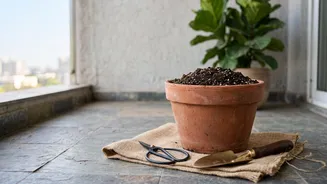
Heavy monsoon rains can wash away essential nutrients from the soil in your pots, leaving it depleted. The post-monsoon period is the ideal time to rejuvenate your potting mix. Gently loosen the top layer of soil around your plants to improve aeration. This is also the perfect opportunity to feed them. Add a layer of rich compost or well-rotted manure to replenish lost nutrients and prepare your plants for the next flowering or growth cycle. A light feed every few weeks during the winter flowering season can keep your blooms vibrant and healthy.
The New Pest Patrol
While the monsoon may have brought fungal issues due to high humidity, the drier weather of winter and the heat of summer invite a different set of pests. Be on the lookout for sap-sucking insects like aphids, mealybugs (which look like small cottony masses), and spider mites. These pests thrive in warmer, drier conditions. Regularly inspect the undersides of leaves and new shoots, where these pests tend to hide. Addressing an infestation early is key. A simple spray of neem oil solution can often act as an effective and organic preventative measure to keep these unwelcome visitors at bay.