

The Potent Pull of Nostalgia
For many young Indians, monsoon snacks are inseparable from cherished memories. The taste of hot pakoras or samosas is linked to family gatherings, the sound of rain on the roof, and the simple joy of sharing a plate of something delicious while watching
the downpour. These foods are not just recipes; they are carriers of personal history and tradition. The experience of enjoying a snack passed down through generations provides a deep emotional comfort that a standardized fast-food meal cannot replicate. This connection to childhood and family makes regional snacks feel authentic and meaningful, transforming a simple craving into an act of cultural connection.
A Symphony for the Senses
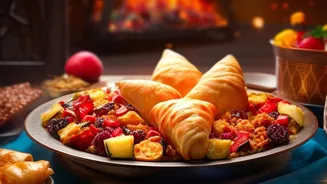
Western fast food, by design, offers consistency. A burger tastes the same in Mumbai as it does in Delhi. Monsoon snacks, however, are a celebration of sensory diversity. Think of the smoky, charred aroma of bhutta (grilled corn) roasted on open coals and seasoned with chilli and lime. Or the contrast of a crispy, flaky samosa exterior giving way to a soft, spicy potato filling. These snacks offer a complex interplay of textures and fresh, vibrant flavours that engage all the senses. From the crunch of an onion pakora to the tangy burst of chutney, each bite is a unique experience, a stark contrast to the predictable nature of many global fast-food options.
The Allure of Accessibility
Come monsoon, the streets of India transform into a vibrant food festival. Every neighbourhood corner seems to have a vendor expertly frying up batches of bhajiyas or preparing steaming hot momos. This hyper-local availability makes monsoon snacks incredibly convenient. There’s no need to open an app or travel to a specific outlet; the food comes to you. Furthermore, these regional delicacies are often significantly more affordable than their Western counterparts, making them an easy, impulsive choice for students and young professionals. The simple act of gathering around a street-side stall with friends creates a social experience that is spontaneous and uniquely Indian.
A Conscious Choice for Freshness
While deep-fried snacks may not be considered health food, there is a growing awareness among young Indians about the difference between freshly prepared food and highly processed meals. Monsoon snacks are typically made to order with fresh ingredients like gram flour, vegetables, and spices. This appeals to a generation that is increasingly interested in where their food comes from. There's a perceived honesty in watching your snack being prepared right in front of you. This preference for fresh, hot food, especially during a season where digestive systems can be sluggish, often outweighs the convenience of a pre-packaged or mass-produced fast-food item.
An Expression of Cultural Identity
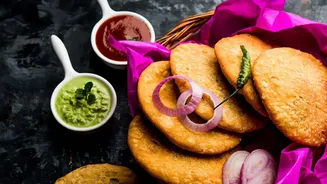
Choosing a plate of dabeli in Gujarat or a dal kachori in Rajasthan during the rains is more than just satisfying hunger; it's a quiet celebration of regional identity. While young Indians are open to global cuisines and fusion foods, many also gravitate towards authentic, local flavours as a way to stay connected to their roots. These dishes tell a story about a place's agriculture, history, and culinary traditions. In a globalized world, embracing these hyper-regional, seasonal specialties becomes a delicious way to affirm one's cultural heritage. It’s a choice that feels both personal and deeply rooted in a shared Indian experience.