





A New Playbook for Paradise
The Lakshadweep administration has introduced a series of new protocols aimed squarely at balancing tourism with ecological preservation. While some entry rules have been simplified to boost organised tourism—such as removing the need for a local sponsor
or a prior police clearance certificate—the new framework tightens control over where visitors can go and what they can do. All non-islanders still require an entry permit, which must now be applied for at least 14 days in advance via the official ePermit portal. Crucially, travellers must specify their exact itinerary, including all islands they plan to visit, and are forbidden from visiting any location not explicitly mentioned on their approved permit. Island-hopping is strictly curtailed, with transit permitted only through Agatti or Kavaratti for a maximum of 12 hours. These measures are designed to control the flow of tourists, prevent overcrowding, and monitor human impact on the most sensitive areas.
Why the Urgency? A Reef at Risk
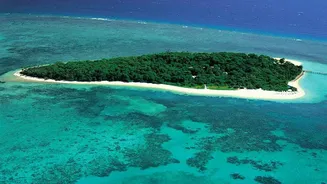
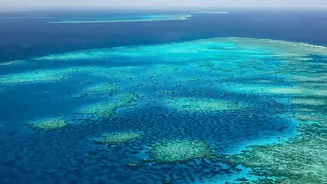
Lakshadweep’s coral reefs are not just beautiful; they are a vital natural barrier that protects the low-lying islands from the sea and supports the entire local economy, particularly fisheries. However, these ecosystems are under severe threat. The combined pressures of climate change-induced coral bleaching, overfishing, and pollution from waste have taken a heavy toll. Recent years have seen a surge in tourism, but this growth has occurred without adequate infrastructure to manage the accompanying waste, especially single-use plastics from packaged water and other goods. Studies have identified tourism and fishing as major contributors to plastic pollution on the islands. Without intervention, the very attractions that draw visitors to Lakshadweep—its clear waters and vibrant marine life—are at risk of irreversible damage.
The Delicate Balance of Economy and Ecology
For the residents of Lakshadweep, tourism and fishing are economic lifelines. The new protocols represent a calculated effort to shift towards a high-value, low-impact tourism model. By regulating visitor numbers and movements, the administration hopes to reduce ecological stress while ensuring that tourism remains a sustainable source of income. This approach is rooted in the understanding that a healthy ecosystem is the foundation of a healthy economy. The Department of Environment and Forest is actively involved in monitoring reefs, running anti-poaching camps, and leading community awareness programs to embed conservation into the fabric of local life. The goal is to create a symbiotic relationship where visitors can appreciate the natural beauty while contributing to its preservation, moving away from a model of unregulated growth that threatens to exhaust the islands' finite resources.
What the New Rules Mean for Travellers
For prospective visitors, travelling to Lakshadweep will require more careful planning. The key is to apply for the entry permit well in advance with a clear and fixed itinerary. While the removal of the sponsor and police certificate requirements simplifies the initial paperwork, the administration's strict adherence to the approved travel plan means spontaneous detours are no longer possible. Visitors are also urged to be mindful of their ecological footprint. Simple actions like avoiding single-use plastics, not picking corals (which is a punishable offence), and respecting local customs and rules are crucial. The administration has advised travellers to book flights only after their entry permit is confirmed to avoid any issues. The experience may become more structured, but it is in service of preserving the unparalleled beauty of the islands for years to come.
A Potential Blueprint for India's Fragile Zones
Lakshadweep's move towards strictly regulated sustainable tourism could serve as a vital test case for other ecologically sensitive regions in India. The challenges of balancing development, tourism, and environmental protection are not unique to these islands. From the Himalayan states to other coastal areas, the pressure of a growing tourism industry is palpable. The success—or failure—of Lakshadweep's policies will be closely watched. If the administration can successfully implement these rules and demonstrate that environmental stewardship can coexist with economic prosperity, it could offer a valuable blueprint for a nationwide approach to sustainable development. However, concerns have also been raised by some locals and experts about the concentration of power and the potential impact on traditional rights, highlighting the complex path ahead.