







Understanding the Microplastics Alert
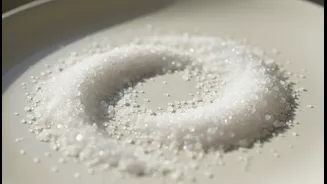
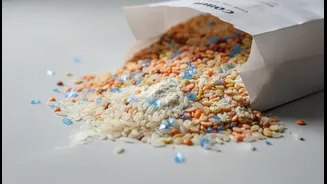
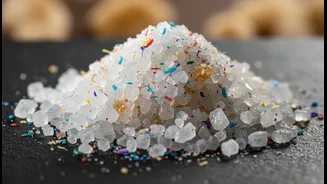
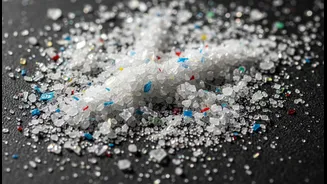
A recent study by the environmental research group Toxics Link sent ripples through the country after it revealed that all tested samples of Indian salt and sugar brands contained microplastics. The study analysed 10 salt varieties and five sugar types,
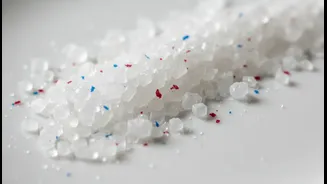
finding plastic particles in every single one, from packaged iodised salt to local, unbranded versions. These particles—tiny plastic fragments less than 5 millimetres in size—were found in various forms, including fibres and films. The concentration was highest in iodised salt and non-organic sugar. This contamination often happens during processing and packaging, but for sea salt, it can also come from plastic pollution in our oceans. In response to growing concerns, the Food Safety and Standards Authority of India (FSSAI) has initiated a project to develop methods for detecting microplastics in food and to understand the prevalence in India.
What Are the Potential Health Risks?
The long-term health impact of ingesting microplastics is a subject of ongoing scientific research, but initial findings are concerning. Scientists worry that these particles can cause inflammation, damage cells, and disrupt bodily systems. Studies have shown microplastics can accumulate in organs, and they have been detected in human blood, lungs, and even placentas. These plastics can also act like sponges, absorbing and carrying harmful chemicals like pesticides and heavy metals, which may then be released into our bodies. While direct causal links to specific diseases in humans are still being established, the potential for chronic inflammation and exposure to toxins has raised alarms among health experts.
Smarter Choices at the Grocery Store
While no brand was found to be completely free of microplastics, the Toxics Link study did find variations. Organic rock salt had the lowest concentration of microplastics, while iodised salt had the highest. Similarly, organic sugar tended to have lower levels than non-organic varieties. When shopping, consider opting for products packaged in glass or paper over plastic. Choosing less processed foods can also help, as contamination often increases with more manufacturing and handling steps. Although these choices don't eliminate the risk entirely, they can be meaningful steps in reducing your family's overall exposure.
Simple Habits to Adopt in the Kitchen
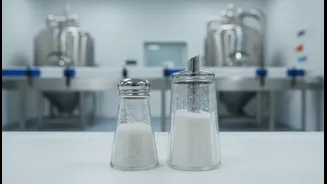
Your kitchen practices can make a significant difference. One of the most effective changes is to move away from plastic food storage. Store salt, sugar, and other pantry staples in glass or stainless steel containers instead of the plastic bags or boxes they often come in. Heat is a major culprit in causing plastics to break down and leach chemicals, so never microwave food in plastic containers. Transfer leftovers to a glass or ceramic dish before reheating. Be mindful of your cooking utensils as well. Using wooden or metal spoons and spatulas, especially when cooking hot meals, can prevent plastic particles from shedding into your food.
Reducing Plastic Use Beyond the Pantry
The issue of microplastics is part of the larger problem of plastic pollution. Reducing your overall plastic footprint can contribute to a wider solution and further protect your family. Simple swaps include using reusable cloth bags for groceries instead of plastic ones and choosing fresh produce that isn't pre-packaged in plastic. Opt for tap water, perhaps with a filter, over bottled water, as studies have shown bottled water contains significantly more microplastic particles. When washing synthetic clothing, which sheds plastic microfibres, consider line drying when possible, as the heat from dryers can cause more shedding. These collective actions help reduce the amount of plastic entering our environment and, ultimately, our food chain.