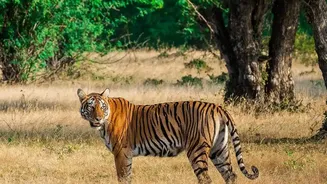







An Introduction to Barda's Wilderness
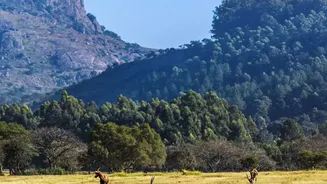
Located near Porbandar in Gujarat's Saurashtra region, the Barda Wildlife Sanctuary is a hilly, rugged landscape covering over 192 square kilometres. Historically a private hunting ground, it was declared a sanctuary in 1979. Its diverse ecosystem includes
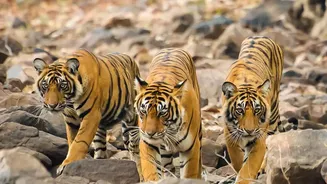
dry deciduous forests, scrublands, and over 650 species of plants. The sanctuary is home to animals like the leopard, sambar, chinkara, and a rich variety of birds. Most significantly, Barda has become a crucial second habitat for the Asiatic lion, with a small population now established after a male naturally migrated here from Gir, followed by the introduction of several females. This makes a visit here a unique privilege and a serious responsibility.
Before Your Safari: Plan for Respect
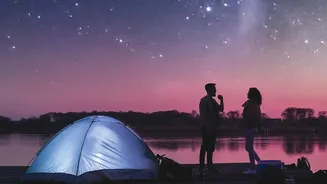
Your respectful journey begins before you even enter the gates. Dress in neutral, earth-toned colours like khaki, brown, or olive green to blend into the natural surroundings. Bright colours can startle or attract unwanted attention from wildlife. Avoid strong perfumes or deodorants for the same reason. Pack essentials like water, sunscreen, a hat, and binoculars for a comfortable experience. It’s also wise to check the latest park rules, as some sanctuaries in India have restrictions on mobile phone usage in core areas to minimise disturbance. The best time to visit for pleasant weather and active wildlife is generally between October and March.
On the Trail: The Golden Rules of Viewing
Once your safari begins, your behaviour directly impacts the animals. The foremost rule is to maintain silence. Speak in low whispers, if you must, and ensure your phone is on silent mode. Loud noises stress animals and can ruin a potential sighting for everyone. Never, under any circumstances, attempt to feed or taunt the wildlife. Feeding animals makes them dependent on humans and can lead to aggressive behaviour. Always remain inside your safari vehicle unless your guide explicitly says it is safe to disembark in a designated area. This is for your safety and to avoid disturbing the animals in their habitat.
Ethical Photography: Capture Memories, Not Attention
Photography is a wonderful way to capture memories, but it must be done ethically. The most critical rule is to always keep your camera's flash turned off. The sudden burst of light can startle, disorient, or even harm an animal's eyes. Do not use any form of baiting or audio lures to attract animals for a better shot. A good photograph is not worth distressing wildlife. Respect the animal's space; if your presence causes it to change its behaviour—for example, if it stops eating or looks agitated—you are too close. Ask your driver to maintain a safe distance and never block an animal's path.
Leave No Trace: Protecting the Habitat
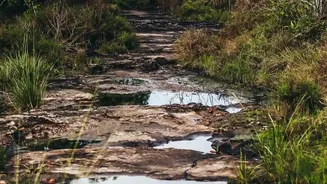
A pristine environment is essential for the health of the ecosystem. Adhere strictly to the 'leave no trace' principle. Do not litter; carry all your waste, including food wrappers and plastic bottles, back with you to be disposed of responsibly outside the sanctuary. Stick to the designated safari trails. Driving off-road can damage fragile vegetation and disturb nesting sites. Remember that you are a guest in the home of thousands of species. The goal is for the forest to remain as undisturbed by your visit as possible.
Listen to Your Guide: The Voice of Experience
Your guide and driver are trained professionals with extensive knowledge of the area and its wildlife. Their instructions are paramount for both your safety and the well-being of the animals. They understand animal behaviour and can interpret signs that you might miss. If they ask you to be quiet, stop moving, or prepare to leave a sighting, follow their lead immediately. Do not pressure them to get closer to an animal or stay longer than is appropriate. A good guide prioritises the welfare of the wildlife over a fleeting thrill for tourists.