

The Foundation: Fasting Flours and Grains
Many devotees observe a fast (vrat) on Janmashtami, abstaining from regular grains like wheat and rice. Stocking up on vrat-friendly flours is the first step to a well-prepared festive kitchen. These alternatives are not only permissible for fasting but
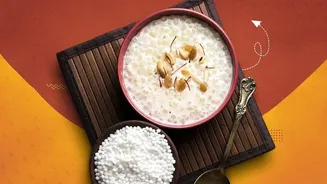
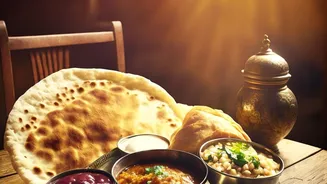
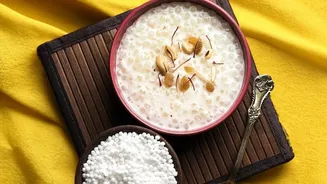
are also nutritious. Key items to have are Sabudana (tapioca pearls) for making khichdi, kheer, and vadas, and various flours like Kuttu ka atta (buckwheat flour), Singhare ka atta (water chestnut flour), and Rajgira ka atta (amaranth flour). These are versatile for making pooris, sheera, and other savoury snacks. Samak rice (barnyard millet) is another excellent staple to have for preparing pulao or khichdi.
Dairy and Sweeteners: The Heart of Prasad
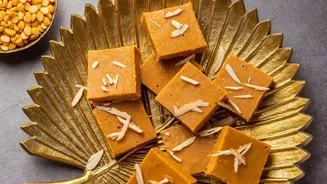
Lord Krishna's fondness for milk and butter makes dairy a central part of Janmashtami offerings. Ensure you have plenty of fresh milk, which forms the base for essentials like Kheer and Rabdi. Plain yogurt (curd) is crucial for making Panchamrit, the sacred five-ingredient offering, and for savoury dishes like cooling raitas. Ghee is non-negotiable for frying, roasting, and adding richness to nearly every dish, especially sweets. The most important dairy item is fresh white butter (makhan) for making Makhan Mishri, believed to be Krishna's favourite. For sweeteners, have both regular sugar and jaggery on hand, as well as Mishri (rock sugar) for the iconic prasad.
Nuts and Spices: For Flavour and Richness
Dry fruits and nuts are used generously for garnishing sweets and adding texture to dishes. Stock up on almonds, cashews, pistachios, and raisins. Makhana (fox nuts) are particularly important, used in kheer, roasted as a snack, or added to Panjiri. Desiccated or grated dry coconut is another must-have for laddoos and barfis. When it comes to spices, the list is simple but essential. Cardamom powder provides a sweet aroma to most desserts, while cumin seeds are the starting point for almost any savoury vrat dish. Keep rock salt (sendha namak) ready, as it is the only salt permitted during fasting.
Core Prasad Ingredients
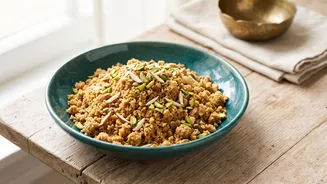
Certain dishes are synonymous with Janmashtami bhog (offerings). For the quintessential Dhaniya Panjiri, you will need coriander seed powder (dhaniya powder), ghee, powdered sugar, and nuts. This is a primary prasad offered after the midnight puja. The second essential offering is Panchamrit, a simple mixture of milk, curd, ghee, honey, and sugar. Having these five ingredients ready ensures you can prepare the sacred offering with ease. Tulsi leaves are also a must-have, as they are traditionally added to the bhog before it is offered to Lord Krishna.
Fresh Produce and Staples
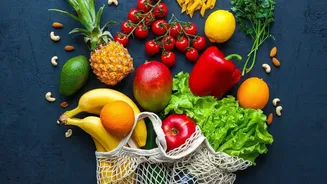
While flours and dairy are central, fresh ingredients complete the festive menu. Potatoes are a fasting staple, used in everything from simple stir-fries (sabzi) to tikkis and fillings for pooris. Other vegetables like pumpkin and arbi (colocasia) are also commonly used. Fresh fruits such as bananas and pomegranates are not only offered as prasad but can also be used to make fruit chaat. Finally, keep lemons and green chillies on hand to add flavour to savoury dishes like Sabudana Khichdi.