


1. Sabudana Khichdi
No Sawan fast is complete without the quintessential Sabudana Khichdi. Made from soaked tapioca pearls, this dish is a powerhouse of carbohydrates that provide instant energy, making it ideal for fasting days. It’s typically prepared by tossing the soft
pearls with roasted peanuts, boiled potatoes, cumin seeds, and green chillies, all cooked in ghee. This simple preparation is not only easy to digest but is also incredibly filling, ensuring you don't feel deprived while observing your vrat. Its popularity across states like Maharashtra has made it a nationwide fasting staple.
2. Kuttu ki Puri
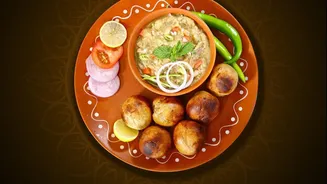
When regular grains like wheat are off the menu, buckwheat flour, or kuttu ka atta, comes to the rescue. A favourite in North Indian households, especially in Uttar Pradesh, Kuttu ki Puri is a crispy, deep-fried bread that makes a fast feel like a feast. The flour is typically kneaded with boiled and mashed potatoes and seasoned with rock salt (sendha namak) before being fried to a perfect crisp. These puris are naturally gluten-free and pair beautifully with a simple, vrat-friendly aloo ki sabzi, making for a wholesome and satisfying meal.
3. Sama ke Chawal
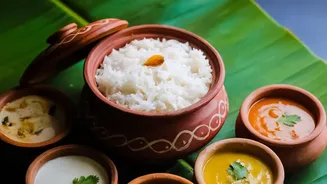
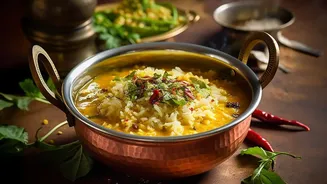
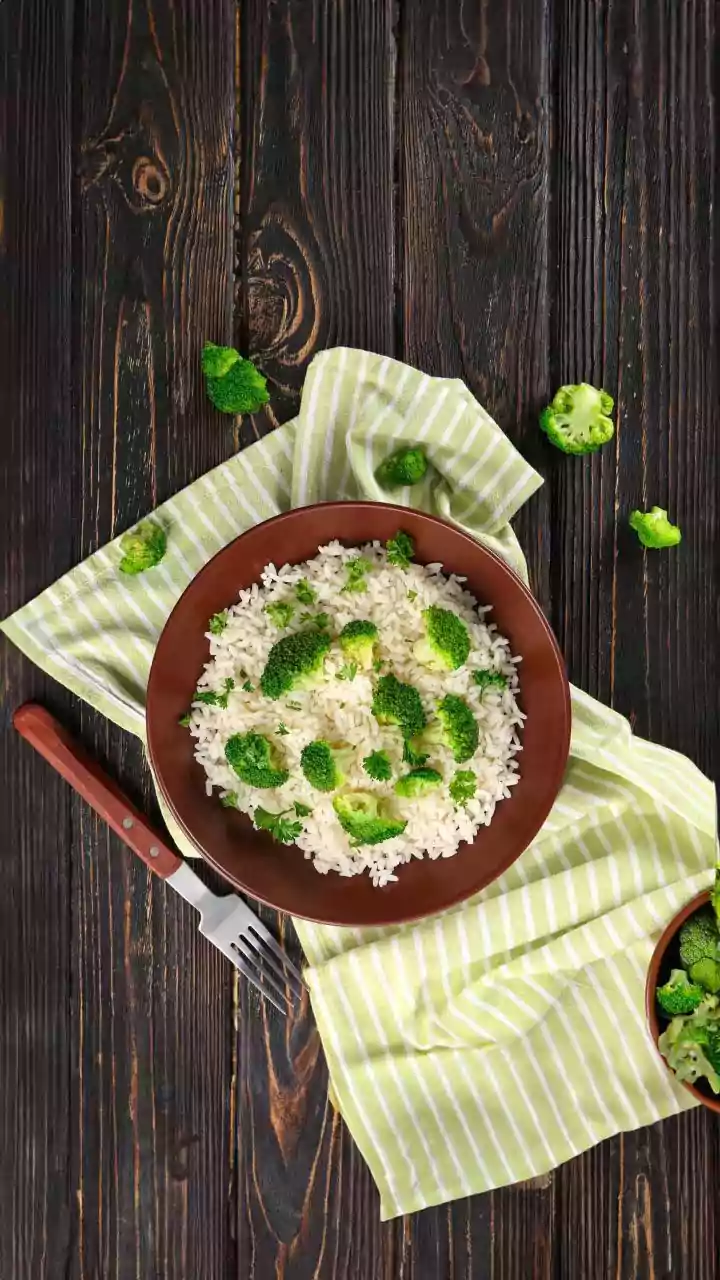
Also known as barnyard millet, Sama ke Chawal is the perfect substitute for rice during Sawan fasting. This pseudo-grain is light on the stomach, easy to cook, and incredibly versatile. You can prepare it as a simple pulao, cooked with vrat-friendly vegetables like potatoes and bottle gourd, and seasoned with mild spices like cumin and black pepper. Another popular preparation is a creamy kheer, where the millet is simmered in milk and sweetened with sugar or jaggery. It offers a comforting and nutritious alternative to keep your energy levels stable.
4. Makhana Kheer
For those with a sweet tooth, Makhana Kheer is a dessert that is both delicious and permissible during Sawan. Makhana, or fox nuts, are rich in calcium and protein, making them a nutritious choice for fasting. To make the kheer, the fox nuts are lightly roasted in ghee until crunchy, then simmered in milk until it thickens. The dessert is flavoured with cardamom, saffron, and a handful of chopped nuts like almonds and pistachios. It's a creamy, comforting sweet dish that satisfies cravings without being too heavy.
5. Vratwale Aloo ki Sabzi
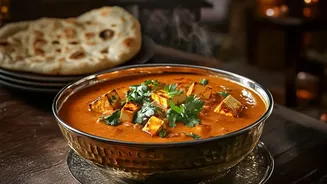
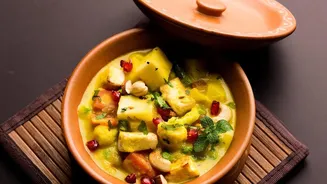
Potatoes are a staple vegetable during most Hindu fasts, and the Sawan vrat is no exception. A simple Aloo ki Sabzi, prepared without onion, garlic, or regular table salt, is a common accompaniment to puris and parathas. The curry is typically made with boiled potatoes simmered in a tomato-based gravy, seasoned with sendha namak, cumin seeds, green chillies, and ginger. This dish is quick to prepare, flavourful, and provides the necessary carbohydrates to sustain energy throughout the day.
6. Fresh Fruit Chaat
Fruits are a cornerstone of the Sawan diet, providing natural sugars, vitamins, and hydration. A colourful and refreshing Fruit Chaat is one of the easiest and healthiest options. You can create a mix of seasonal fruits like bananas, apples, pomegranates, and papaya, and toss them with a pinch of rock salt and black pepper powder. Some might add a squeeze of lemon juice for extra zing. This simple preparation requires no cooking and serves as a perfect light meal or snack to keep you feeling fresh and energised.
7. Singhare ka Halwa
Another vrat-friendly flour is singhare ka atta, or water chestnut flour. This flour is used to make a rich and comforting halwa. The flour is roasted in ghee until it turns aromatic and golden-brown, then simmered with sugar and water or milk until it thickens into a dense, glossy pudding. Garnished with nuts, this halwa provides sustained energy, making it an excellent choice for breaking a day-long fast. Its warmth and richness are particularly comforting during the monsoon season.