





Prioritise Immunity and Digestion
The monsoon season is notorious for a spike in infections and digestive issues. High humidity and moisture create a breeding ground for bacteria and viruses, while the body's digestive fire, or 'Agni' as per Ayurveda, is believed to weaken. This makes
your immune system work overtime. Your grocery list should reflect this by prioritising foods that are easy to digest and boost immunity. Think of it less as a restriction and more as a strategic shift to support your body. Key items include spices like turmeric, ginger, and garlic, known for their anti-inflammatory and antimicrobial properties. Adding these to your daily cooking can help fortify your body's natural defences against common monsoon ailments like colds and flu.
Embrace Warm, Cooked, and Light Meals
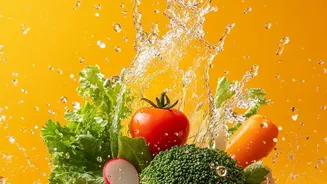
Traditional Indian wisdom has always advocated for warm, freshly cooked meals during the rainy season, and modern science agrees. Raw foods, especially leafy greens, carry a higher risk of contamination due to dirt and microbes that thrive in damp conditions. While greens like spinach are nutritious, they must be washed thoroughly—perhaps in saltwater or a vinegar solution—and cooked well before eating. Your checklist should feature easily digestible proteins like moong dal, which is a staple in monsoon meals like khichdi. Stocking up on lentils, millets, and freshly milled atta provides sustained energy without burdening the digestive system. These staples form the foundation of comforting, nourishing meals like soups and stews that are ideal for rainy days.
Stock Smart for Rainy Days
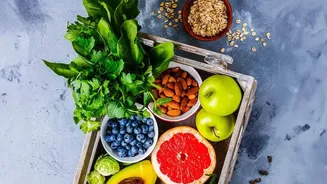
Monsoon can mean unexpected downpours that make a quick trip to the market difficult. A smart grocery list anticipates this by including essential pantry staples. This doesn't mean hoarding, but rather maintaining a sensible stock of non-perishables. Items like rice, lentils, atta, and potatoes are crucial. It's also wise to have shelf-stable items like milk powder, biscuits, and ready-to-eat meals for emergencies. Proper storage is key; high humidity can spoil dry goods quickly. Use airtight containers for everything from spices to flour to prevent moisture absorption and keep pests at bay. Nuts and seeds, which are great for snacking, should also be stored in airtight containers, preferably in the fridge, to prevent them from going rancid.
Hydrate with Care and Choose Probiotics
With cooler temperatures, it's easy to forget to drink enough water, but hydration remains critical. However, the risk of waterborne diseases increases significantly during the monsoon. Ensure your checklist includes a plan for safe drinking water, whether it's boiling, filtering, or buying purified water. Warm beverages like herbal teas—made with tulsi, ginger, or green tea—are excellent choices for staying hydrated and getting an antioxidant boost. Probiotic-rich foods like fresh curd (yoghurt) and buttermilk are also valuable additions. They support gut health, which is intrinsically linked to a strong immune system. Consuming these fresh helps maintain the balance of good bacteria in your digestive tract.
What to Leave Off the List
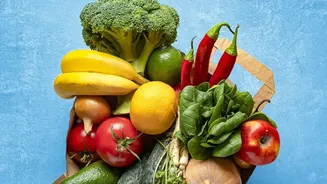
Knowing what to avoid is just as important as knowing what to buy. Street food, especially items like pani puri and pre-cut fruits, poses a high risk due to potential water contamination and exposure to flies. It's best to prepare your favourite chaats at home using safe, filtered water. Reduce your intake of deep-fried, oily foods; while tempting, they are hard to digest and can lead to bloating and acidity. Seafood should also be approached with caution, as the monsoon is the breeding season for many fish, increasing the risk of contamination. Finally, buy leafy vegetables in smaller quantities to be used quickly, as they spoil faster and can harbor germs in their folds.