




The Great Monsoon Pause
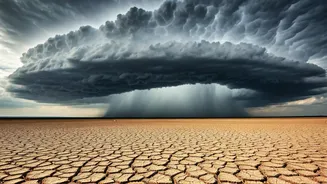
Every year, India waits for the southwest monsoon. It’s not just rain; it's the engine of the nation's agriculture-driven economy and the primary source of its freshwater. This year, the monsoon arrived with promise, covering southern and eastern regions,
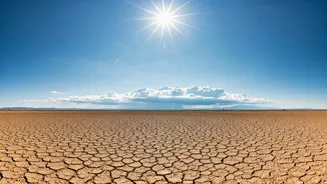
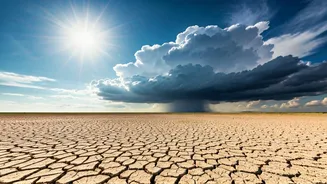
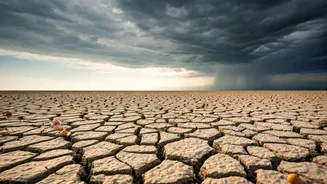
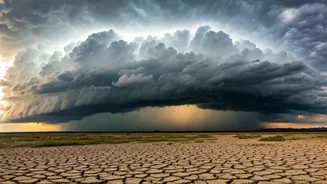
but its northward journey has come to an abrupt halt. States across central and northern India, including parts of Maharashtra, Gujarat, Madhya Pradesh, Uttar Pradesh, and even the national capital region, are experiencing a 'monsoon break'. Instead of overcast skies and cooling showers, they are facing dry, hot conditions at a time when rain is most needed. This hiatus, or stall, means the monsoon's progress has effectively been frozen in place, leaving a vast and populous part of the country waiting in a state of anxious uncertainty.
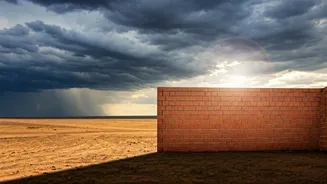
Decoding the Atmospheric 'Wall'
So, what is this invisible 'wall' stopping the clouds? It's not a physical barrier, but a powerful atmospheric one. Meteorologists point to an anticyclonic circulation—a zone of high pressure in the upper atmosphere—that has developed over the Arabian Sea and adjoining western India. Think of it as a giant, invisible lid pressing down on the air. This high-pressure system prevents the warm, moisture-laden monsoon winds from rising, forming clouds, and producing rain. Instead of drawing moisture from the sea onto the land, this system can sometimes push drier, hotter winds from the north and west back into the region, completely disrupting the monsoon's rhythm. The monsoon trough, a low-pressure area that is the monsoon’s main highway, has also weakened, further contributing to the stall.
A Critical Time for Agriculture
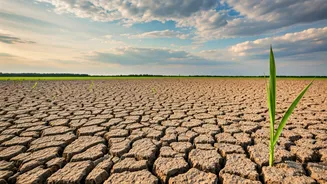
The timing of this stall could not be worse for India’s farmers. The June-July period is the critical sowing season for Kharif crops, which are planted during the monsoon. These include staples like rice (paddy), maize, soybean, cotton, and pulses. Millions of farmers time their planting to coincide with the arrival of the first rains. A prolonged delay, like the one currently being experienced, is disastrous. It dries out the soil, making sowing impossible. For farmers who have already planted their seeds, the lack of rain can cause the seeds to fail, forcing them to bear the cost of re-sowing. This not only puts immense financial pressure on individual farmers but also threatens to delay harvests, reduce crop yields, and potentially drive up food prices across the country later in the year.
Beyond the Farms: Wider Consequences
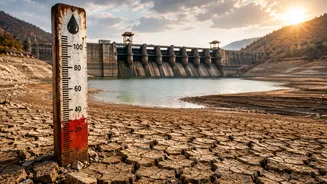
The impact of a weak or delayed monsoon extends far beyond the agricultural sector. India's reservoirs, which supply drinking water to hundreds of millions and are crucial for hydropower generation, depend on monsoon rains for replenishment. A prolonged break can lead to rapidly depleting water levels, raising the spectre of water rationing in major cities. Lower reservoir levels also mean less electricity generated from dams, putting pressure on the power grid just as demand for air conditioning spikes due to the unseasonal heat. The return of heatwave-like conditions during what should be the rainy season also has significant public health implications, increasing the risk of heat-related illnesses.
What Happens Next?
The entire country is now looking to the skies and the weather charts. While short 'breaks' in the monsoon are a normal feature, a stall lasting more than a week or two at this critical juncture is a serious cause for concern. The India Meteorological Department (IMD) and other weather agencies are closely monitoring the atmospheric conditions, looking for signs that the anticyclonic circulation is weakening or shifting. Forecasters are hopeful that conditions will become more favourable for the monsoon's revival, but predictions remain cautious. The key question is not just if the monsoon will advance again, but when. Every additional day of delay deepens the deficit and amplifies the economic and social consequences for a nation that runs on rain.