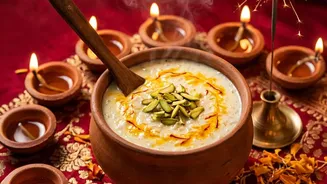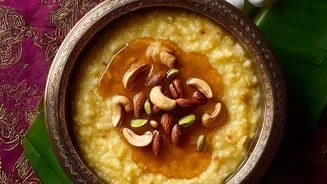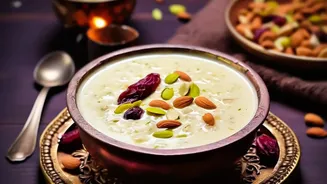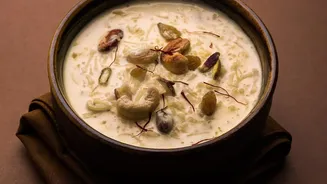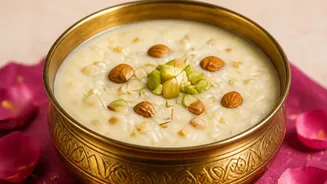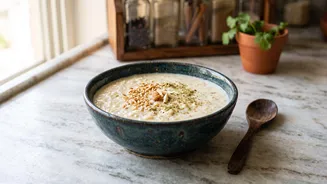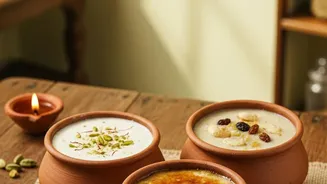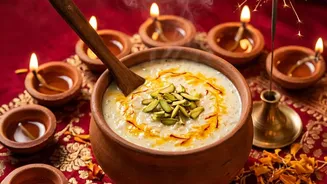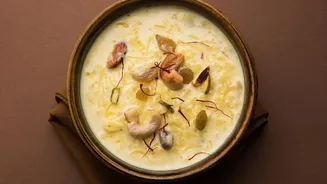

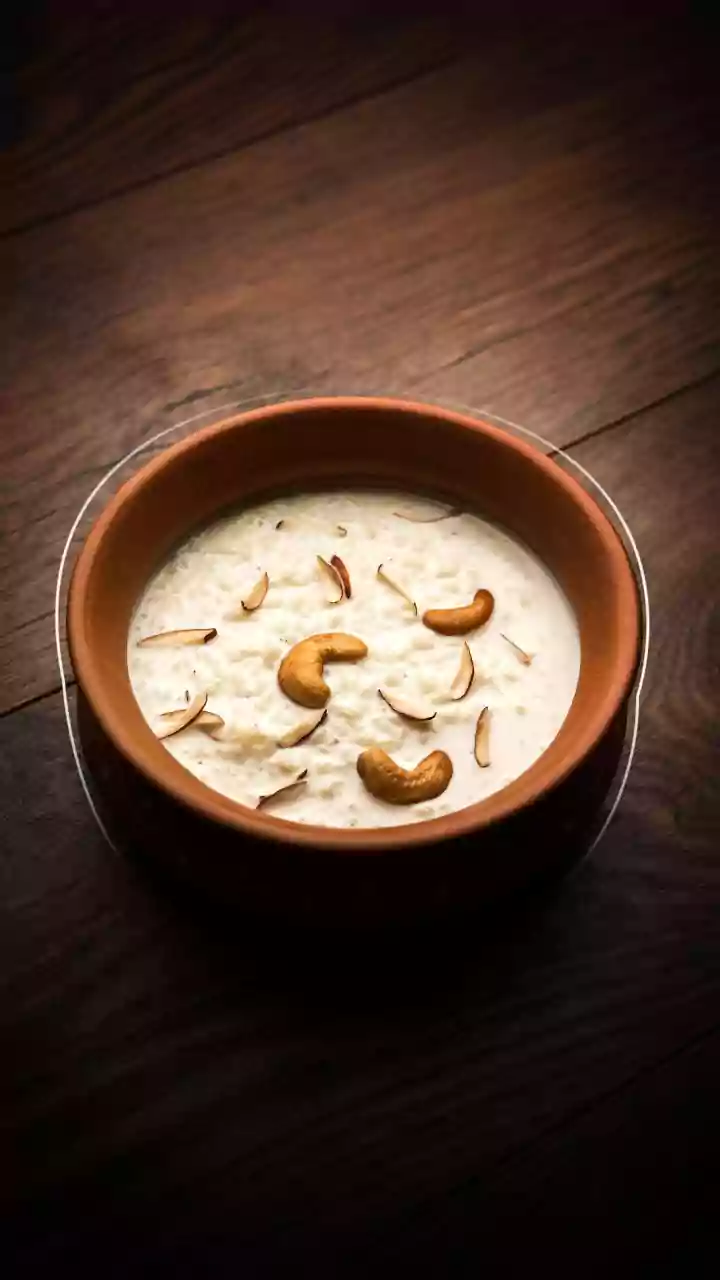
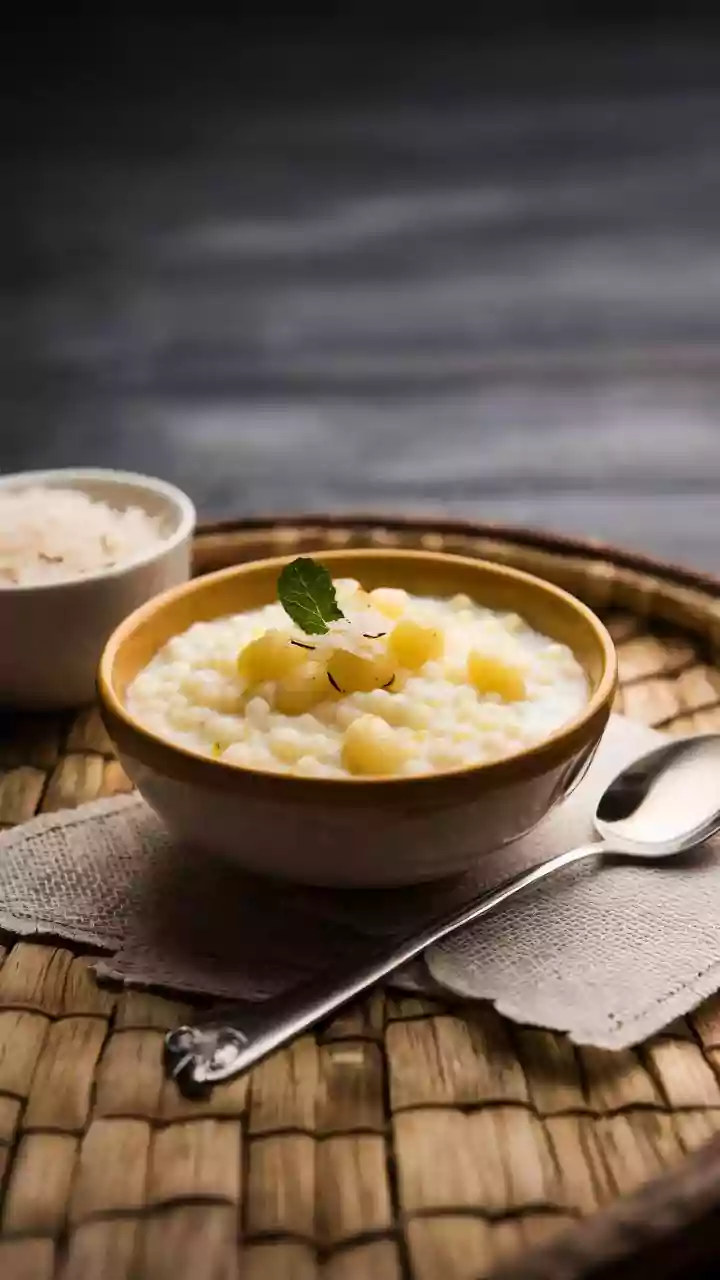
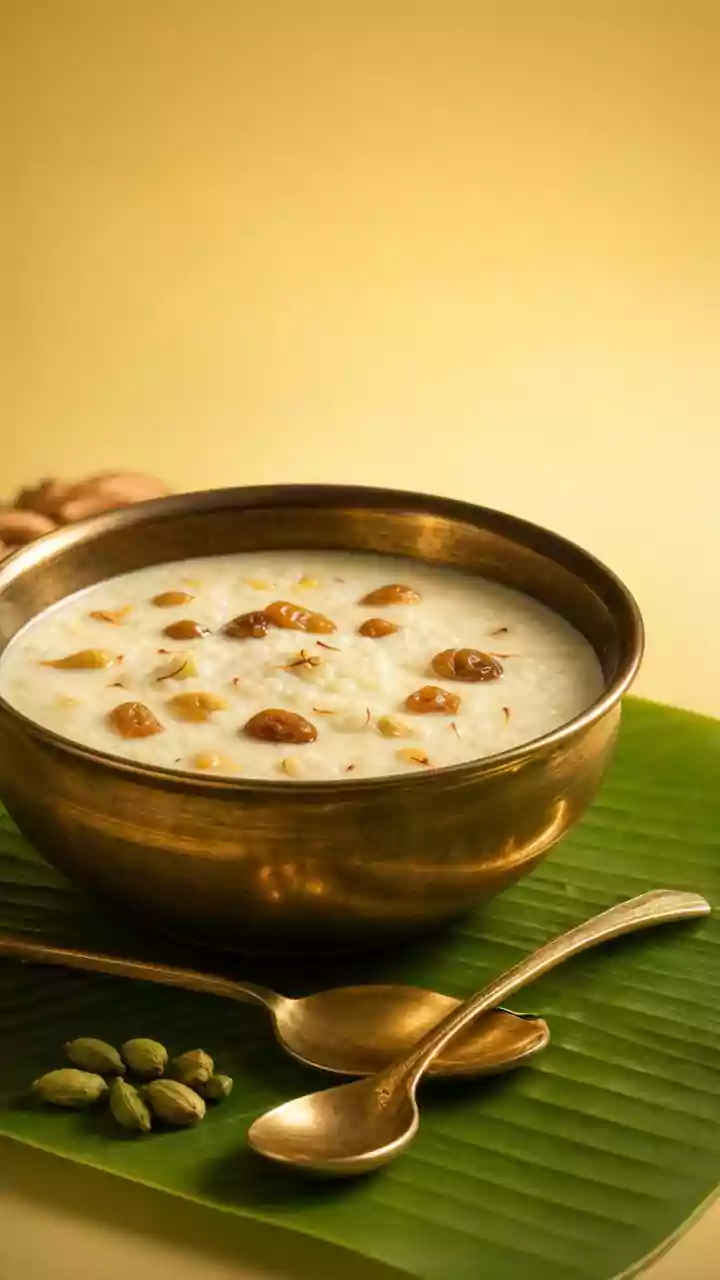


Move over, regular kheer. This winter, embrace a rustic and soulful dessert that gets its sweetness directly from the earth: Ganne ki Kheer. This traditional pudding swaps refined sugar for fresh sugarcane juice, creating a uniquely fragrant treat.
A Sweet Harvest Tradition
Ganne
ki Kheer, also known as 'Roh di Kheer' in Punjabi, is a cherished dessert deeply rooted in the agricultural traditions of North India, particularly Punjab, Bihar, and Uttar Pradesh. It is traditionally prepared during the winter harvest season, especially around festivals like Lohri, Makar Sankranti, and Chhath Puja, when sugarcane is freshly harvested and abundant. Unlike conventional kheer that relies on milk and sugar, this version is slow-cooked by simmering rice directly in fresh sugarcane juice. The process itself is a celebration of the season, creating a dessert that is not just sweet but also carries the earthy, almost caramel-like notes of the cane. It’s a nostalgic dish, often cooked on slow fires in rural homes, offering warmth and comfort during the crisp winter months.
Essential Ingredients
This recipe uses a few simple, wholesome ingredients to create a memorable dessert. The star, of course, is fresh sugarcane juice, which should be pure and free of additives like lemon or ginger. For four to six servings, you will need: Sugarcane Juice (Ganne ka Ras): 1 litre, freshly extracted and strained. Rice: ½ cup of short-grain or basmati rice, washed and soaked for at least 30 minutes. Gobindobhog or broken basmati also work well. Green Cardamom (Elaichi): 4-5 pods, crushed to release their aroma. Assorted Dry Fruits: ¼ cup, a mix of chopped almonds, cashews, and pistachios. Raisins and sliced dry coconut are also excellent additions. Milk (Optional): A few tablespoons can be added during boiling to help clarify the juice by separating impurities. Some recipes also use it for added creaminess. Ghee (Optional): 1 teaspoon for roasting the nuts, which enhances their flavour and crunch.
Step-by-Step Cooking Guide
Making Ganne ki Kheer is a patient process that rewards with incredible flavour. First, pour the strained sugarcane juice into a heavy-bottomed pan and bring it to a boil over medium heat. As it heats, a layer of scum or impurities may rise to the surface. Use a ladle or spoon to carefully remove and discard it. Some cooks add a splash of milk at this stage to help this process. Once the juice is clear, add the soaked and drained rice. Lower the heat and let the mixture simmer gently. It's important to stir frequently to prevent the rice from sticking to the bottom of the pan and to ensure even cooking. Continue to simmer for 20-30 minutes, or until the rice is completely cooked and has softened, and the juice has thickened to a creamy, pudding-like consistency. In the last 5-10 minutes of cooking, add the crushed cardamom powder and most of your chopped dry fruits, reserving some for garnish. If you're using ghee, you can lightly toast the nuts in it before adding them to the kheer for extra richness. Once the kheer reaches your desired thickness, turn off the heat.
Tips for Perfect Ganne Ki Kheer
To ensure your kheer turns out perfectly every time, keep these pointers in mind. The most crucial tip is to cook on a low and slow flame. Rushing the process with high heat can cause the natural sugars in the juice to caramelize too quickly or burn. Continuous stirring is non-negotiable, as it prevents sticking and helps create a smooth texture. Remember that the kheer will continue to thicken as it cools, so it's best to take it off the heat when it's slightly runnier than your desired final consistency. While traditionally made with just rice and juice, some versions include milk towards the end to balance the intense sweetness and add creaminess. For serving, Ganne ki Kheer is versatile. It can be enjoyed warm for a comforting winter dessert or served chilled, which many people prefer. The simple, earthy flavours make it a satisfying end to any meal.