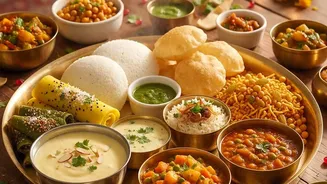




As temperatures drop, Indian kitchens instinctively turn to a different class of foods. This shift is not just about comfort; it's a tradition rooted in the wisdom of eating seasonally for warmth, energy, and immunity.
The Wisdom Of Winter Eating
Across India, winter brings a change
in diet that is centuries old. The principles are simple: eat what is fresh, what is in season, and what provides the body with necessary warmth. According to Ayurveda, the body's digestive fire (Agni) is strongest in winter, making it the ideal time to consume more nourishing, dense foods. This is why winter meals are often richer and heartier, featuring ingredients believed to have a 'warming' effect, or 'taasir'. The focus shifts to seasonal produce that supports immunity and provides sustained energy to combat the cold. This includes a wonderful variety of millets, underground vegetables, and leafy greens that are at their nutritional peak during these months.
Hardy Grains for Hearty Meals
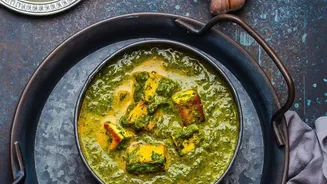
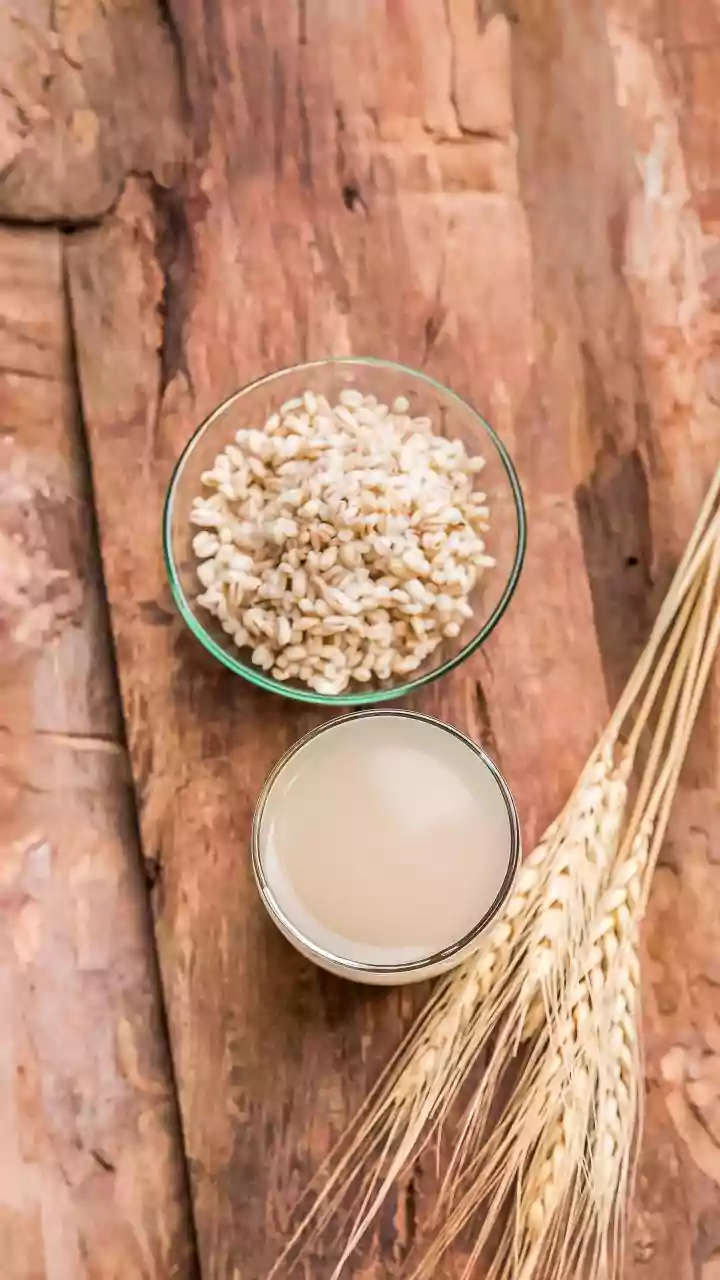
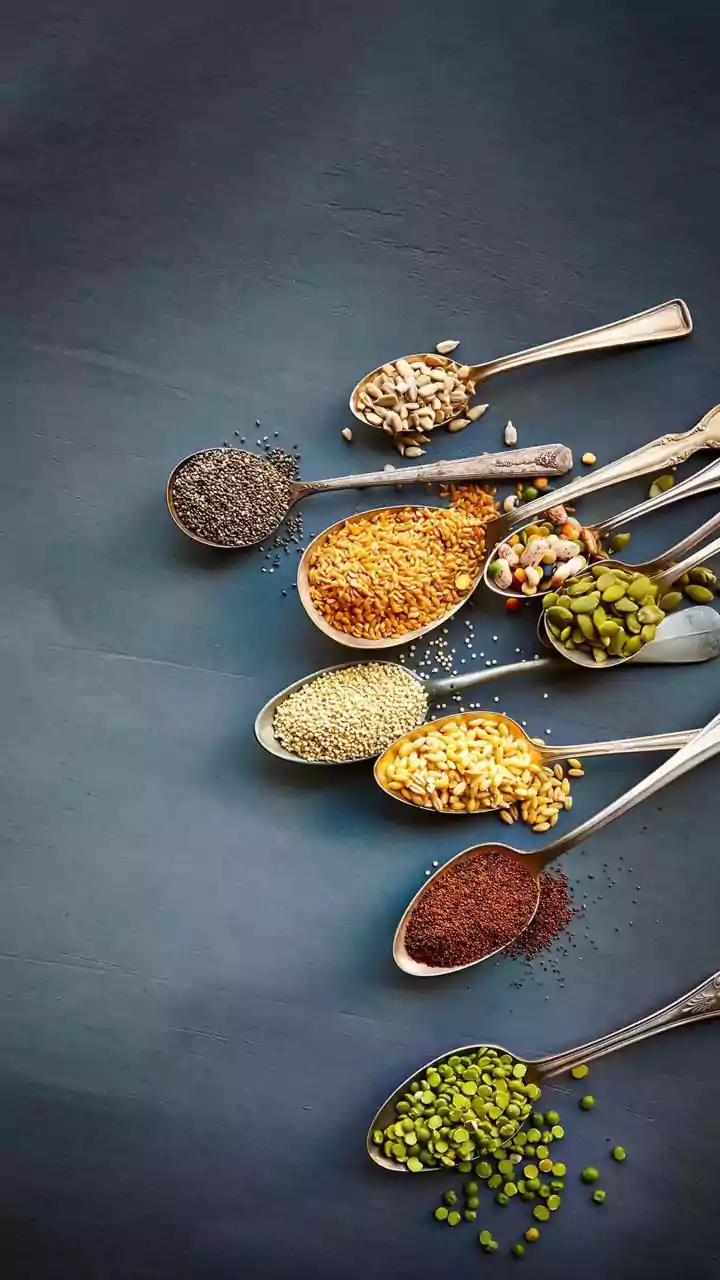
Winter is when certain traditional grains take centre stage. Millets like bajra (pearl millet) and grains like makki (maize) become staples, especially in the northern and western states. Bajra is known for its warming properties and is dense in nutrients like iron and magnesium. In states like Rajasthan and Gujarat, bajra rotis served with a dollop of ghee are a winter classic. Similarly, makki ki roti is an iconic Punjabi winter flatbread, famously paired with sarson ka saag. These grains are typically more robust and filling than wheat or rice, providing slow-release energy that keeps you feeling full and warm for longer.
The Power of Root Vegetables
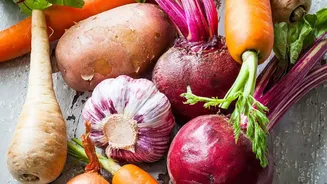
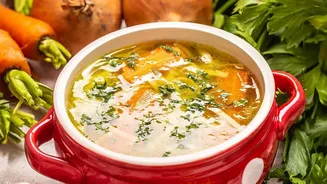
Winter is the prime season for vegetables that grow underground. Starchy and packed with nutrients absorbed from the soil, root vegetables are naturally grounding and nourishing. Carrots, particularly the sweet red 'Delhi carrots', appear in markets and are famously used to make Gajar ka Halwa. Radishes (mooli), turnips (shalgam), and sweet potatoes (shakarkandi) are other winter heroes. They are loaded with fibre, vitamins, and antioxidants that help boost immunity and improve digestion. These vegetables are incredibly versatile, finding their way into sabzis, pickles, parathas, and warming soups.
Green Leafy Vegetables of the Season
While many greens are available year-round, some are specifically associated with the Indian winter. The most famous is sarson (mustard greens), which has a unique, slightly pungent flavour and is available only during the cold months. Cooked slowly with other greens like spinach (palak) and bathua (pigweed), it creates the iconic sarson ka saag. Fresh fenugreek leaves (methi) are also abundant and are used to make everything from flavourful parathas and sabzis to pakoras. These greens are powerhouses of iron, calcium, and vitamins A and C, which are crucial for maintaining health during a season known for colds and coughs.
Warming Spices and Immunity Boosters
Beyond the main staples, Indian winter cooking generously uses spices and other ingredients known for their warming and medicinal properties. Ginger, garlic, and turmeric are used extensively to aid digestion and fight inflammation. Sesame seeds (til) are another winter essential, rich in healthy fats and minerals. They are famously combined with jaggery (gud) to make traditional sweets like til ladoos and chikki, especially for festivals like Makar Sankranti. Amla, or Indian gooseberry, another winter specialty, is one of the richest natural sources of Vitamin C and is consumed fresh or made into pickles and preserves to boost immunity through the season.